NeurologyApril 1, 2021
Six Ways to Boost Brainpower
Video produced in partnership with The Great Courses. All Great Courses video content is available only to subscribers with the password sent via email.
Six Ways to Boost Brainpower
Video produced in partnership with The Great Courses. All Great Courses video content is available only to subscribers with the password sent via email.
Why Your Brain Needs Exercise
Video produced in partnership with The Great Courses. All Great Courses video content is available only to subscribers with the password sent via email.


We Need to Rename ADHD
Calling the condition a disorder falsely implies we know of a cause located in the brains of people diagnosed with it—and we don’t
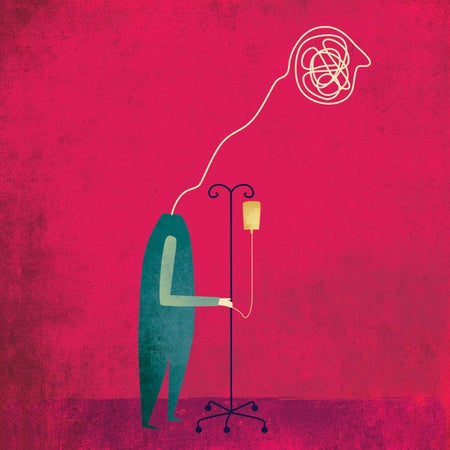
The Link Between Delirium and Dementia
Delirium is very common on COVID wards. Researchers are testing whether these temporary bouts of confusion could bring on permanent cognitive decline

Brain Cells Blinking in Rhythm May Hold Clues to Alzheimer’s Disease
Pulses of light and sound helped mice predisposed to the disease. Researchers hope to investigate the potential therapy for humans with neurons created in a petri dish

Detecting Alzheimer’s Gets Easier with a Simple Blood Test
New assays could reduce the need for costlier, more invasive brain scans and spinal fluid measures

COVID Can Cause Forgetfulness, Psychosis, Mania or a Stutter
The virus induces neurological symptoms that persist long after the pandemic ends
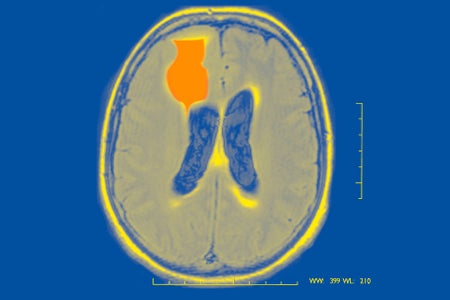
Forecasts of Epilepsy Seizures Could Become a Reality
Making predictions up to several days in advance may help with care
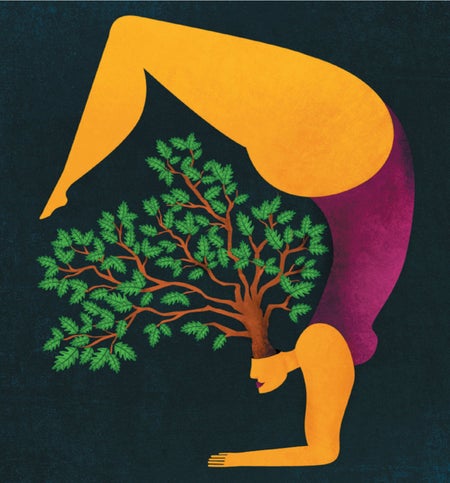
Yoga May Bolster the Brain Regions Most Affected by Aging
Brain-scan studies hint that the ancient practice may benefit areas associated with memory, emotion and thinking

Decoding a Disorder at the Interface of Mind and Brain
A mysterious condition once dismissed as hysteria is challenging the divide between neurology and psychiatry
Governments Worldwide Consider Ditching Daylight Saving Time
A pushback has arisen to seasonal clock changes that affect mood, sleep and general well-being
AI Assesses Alzheimer’s Risk by Analyzing Word Usage
New models used writing samples to predict the onset of the disease with 70 percent accuracy