
NeuroscienceAugust 26, 2022
See the Top Entries in the Art of Neuroscience Competition
Van Gogh and Ramón y Cajal, like you’ve never seen them before, in the annual Art of Neuroscience Competition
See the Top Entries in the Art of Neuroscience Competition
Van Gogh and Ramón y Cajal, like you’ve never seen them before, in the annual Art of Neuroscience Competition

Newfound Brain Switch Labels Experiences as Good or Bad
A molecule tells the brain whether to put a positive or negative spin on events. Mental disorders may result when the up/down labeling goes awry

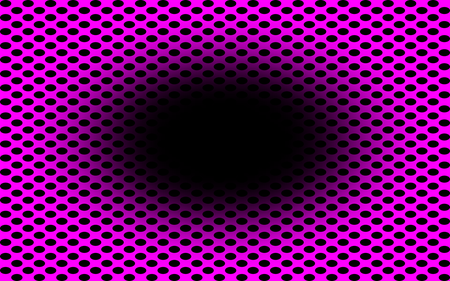
Hello Darkness, My Old Friend
Anticipated blackness tricks your pupils into reacting
Unexpected Brain Chemistry Is behind the Element of Surprise
Animals learn especially well from surprising events, and the hormone noradrenaline may be one reason why
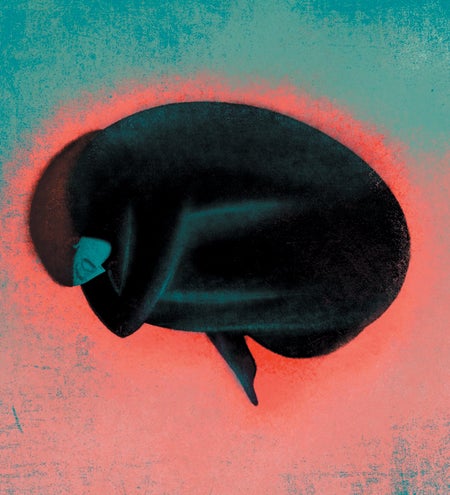
Why Do Mental Illnesses—from Depression to Schizophrenia—Raise the Risk of Dementia?
A combination of biological and social factors most likely explain the strong connection

People May Pick Friends Who Smell Like Them
Similar body odors might determine if two strangers will “click.”

The Kavli Prize Presents: Understanding Neurodevelopment and Neurodegeneration [Sponsored]
Huda Zoghbi is a clinician-scientist who studies the molecular mechanisms of neurodevelopment and neurodegeneration. This year she shared the Kavli Prize in Neuroscience for discovering the genetic pathways behind serious brain disorders.

Strawberry Fields
Nothing is real about the colors you see here

Why You Can’t Remember Being Born: A Look at ‘Infantile Amnesia’
Infants can form memories, just not the kind that recalls specific experiences
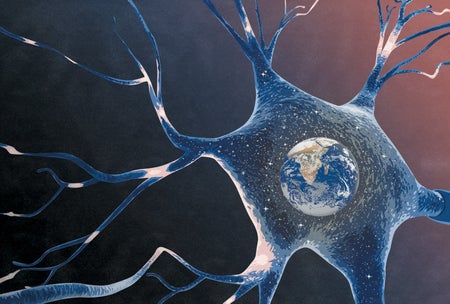
How the Brain ‘Constructs’ the Outside World
Neural activity probes your physical surroundings to select just the information needed to survive and flourish
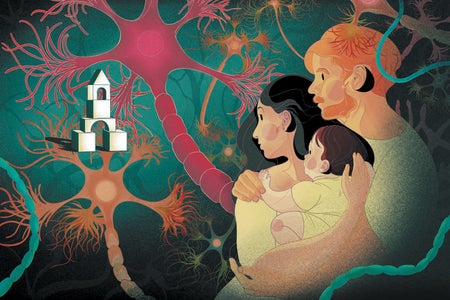
U.S. kids are falling behind global competition, but brain science shows how to catch up
Paid parental leave and high-quality child care improve children’s brain development and prospects for a better future
How the Brain Tells Apart Important and Unimportant Sensations
Several recent studies point to a small, long-overlooked structure in the brain stem as a crucial gatekeeper for the body’s signals