OpinionSeptember 27, 2020
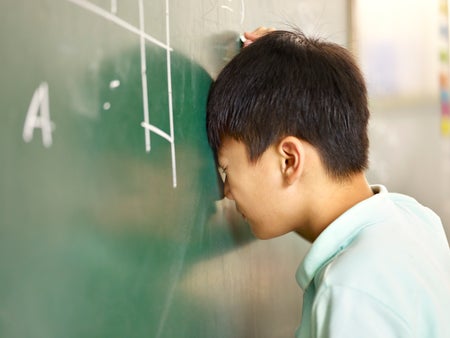
How Decoding Dyslexia Can Help Decode the Mind
Most people think it’s only a reading disorder—but it’s also a speech processing disorder
How Decoding Dyslexia Can Help Decode the Mind
Most people think it’s only a reading disorder—but it’s also a speech processing disorder
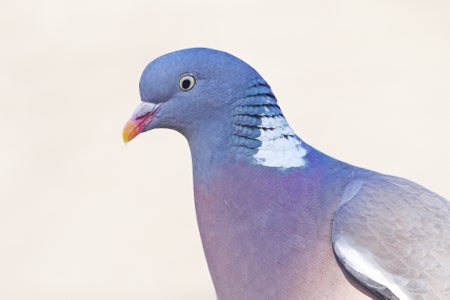
Bird Brains Are Far More Humanlike Than Once Thought
The avian cortex had been hiding in plain sight all along. Humans were just too birdbrained to see it


What Research in Antarctica Tells Us about the Science of Isolation
Over the past few months, the phrase “social distancing” has entered our lexicon. Many of us have found ourselves separated from family and friends—or at least from our normal social lives. As humans grapple with pandemic-induced isolation, science is starting to offer insight into what may be happening in our brains when our social contact with others is dramatically reduced.
That insight happens to come from a place with more penguins than people.
Tim Heitland of the Alfred Wegener Institute Helmholtz Center for Polar and Marine Research in Germany spent 14 months in Antarctica between 2016 and 2018. When he returned, daily life felt overwhelming—everything from the colors and vegetation to all the other people. Part of the shock may have come from returning with a different brain than the one he left with.
While the members of Heitland’s crew conducted research on the earth’s iciest continent, they themselves were also being studied by researchers interested in how extreme work environments trigger neurological changes. The investigation showed that most of the people in Heitland’s team lost volume in parts of their hippocampus, a brain region involved in spatial navigation, learning and emotional processing. The phenomenon is similar to what scientists believe happens to prisoners in solitary confinement, where social isolation and sensory deprivation can lead to post-traumatic stress disorder.
This research appears particularly relevant now, when vast numbers of people are spending more and more time alone. Some scientists hope the work will lead to interventions that counteract the damage of isolation before it causes long-term problems.

Elon Musk’s Pig-Brain Implant Is Still a Long Way from ‘Solving Paralysis’
His start-up Neuralink is not the first to develop a wireless brain implant. But the considerable resources behind the effort could help commercialize the technology faster
New Views of Our Mesmerizing, Maddening Minds
Readers Respond to the May 2020 Issue
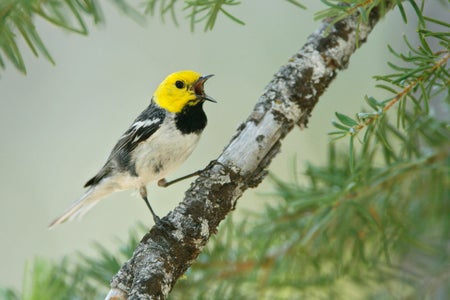
Warbler Species Fires Up Song Diversity
Hermit warblers in California have developed 35 different song dialects, apparently as a result of wildfires temporarily driving them out of certain areas.
Cracking the Neural Code with Phantom Smells
Scientists used light to evoke an odor directly in a mouse brain—no nose involved
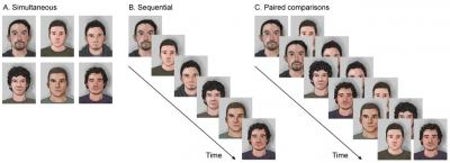
Paired Comparisons Could Mean Better Witness Identifications
Compared with traditional lineup techniques, a series of two-faces-at-a-time choices led to more accurate identification by study witnesses.
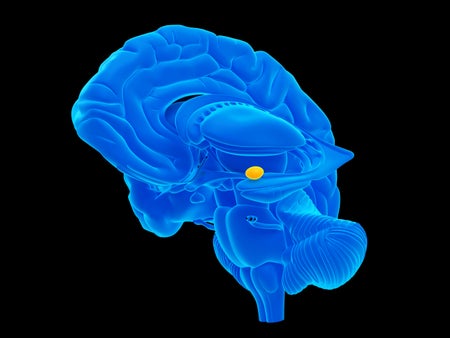
Neural Switch Flips on Aggression in Male Mice
A separate set of cells in the same region regulate sexual behavior
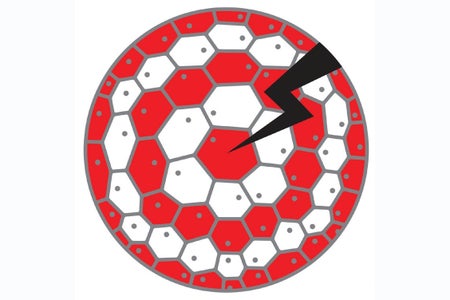
Construction Process Builds Brain Circuits
A novel technique turns brain cells into circuit components
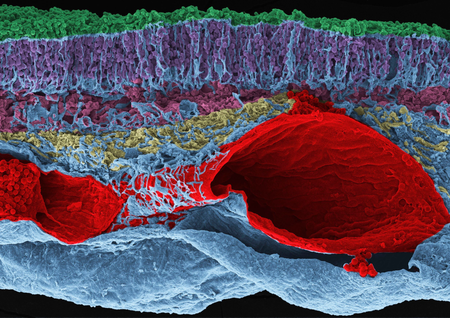
The Beautiful Things inside Your Head: Winners of the 10th Annual Art of Neuroscience Contest
The top works—and our favorites—range from interactive pieces to a pen-and-paper drawing