EvolutionJuly 22, 2020
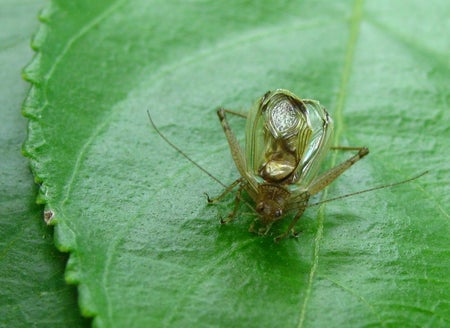
Cricket Avoids Being Bat Food by Doing Nothing
The sword-tailed cricket can discern bats’ echolocation signals by only responding to calls of a certain volume—at which point it plummets out of their approach.
Cricket Avoids Being Bat Food by Doing Nothing
The sword-tailed cricket can discern bats’ echolocation signals by only responding to calls of a certain volume—at which point it plummets out of their approach.
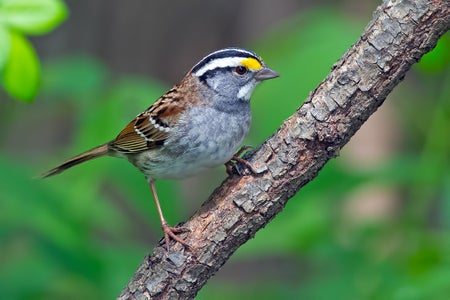
Sparrow Song Undergoes Key Change
White-throated sparrows made a change to their familiar call that quickly spread across Canada.

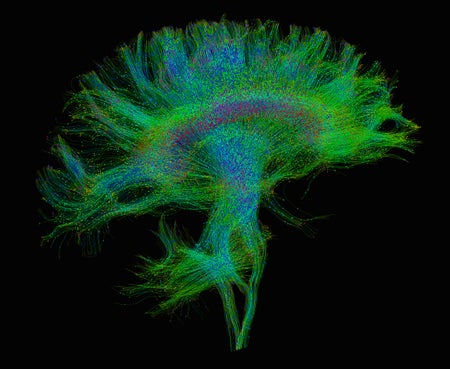
How Human Brains Are Different: It Has a Lot to Do with the Connections
Different mammals demonstrate common patterns in brain connections. But our own species has a few twists of its own

Why Do Smells Trigger Memories?
Your sense of smell may be a better memory trigger than your sense of sight. Here's why a whiff of apple pie may instantly transport you home in your mind
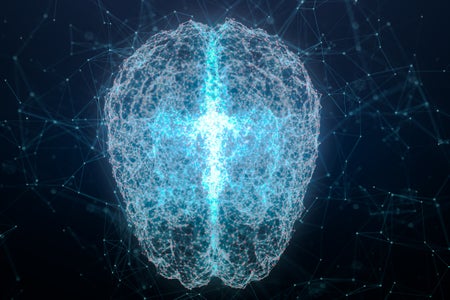
Is Brain Stimulation the Key to Athletic Performance?
I wore a fancy set of headphones during every workout for two weeks to see if it could help me improve my cycling. And it worked (I think) through a concept called neuropriming

How Nature Helps Body and Soul
Journalist and author Florence Williams talks about her book The Nature Fix: Why Nature Makes Us Happier, Healthier and More Creative.

Can Mindfulness Ease Childbirth Pain? A Neuroscientist Says Yes
Is mindfulness helpful for women and their partners during childbirth? We talked with neuroscientist Emiliana Simon-Thomas from UC Berkeley’s Greater Good Science Center about the transformative practice of mindful body scan meditation
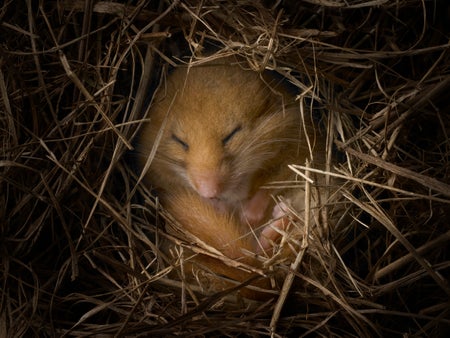
Switch in Mouse Brain Induces a Deep Slumber Similar to Hibernation
If such a snooze button exists in humans, it could protect against strokes, heart attacks and trauma
Not the End of the Chase
The illusion game is still afoot

Music Synchronizes the Brains of Performers and Their Audience
The more people enjoy music, the more similar their brain activity is to that of the musician
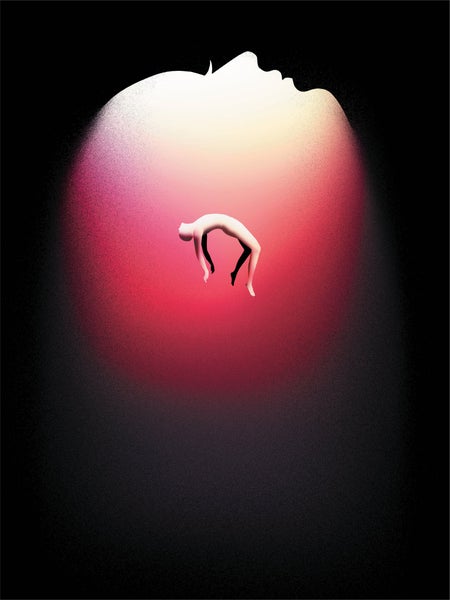
What Near-Death Experiences Reveal about the Brain
A close brush can leave a lasting mental legacy—and may tell us about how the mind functions under extreme conditions
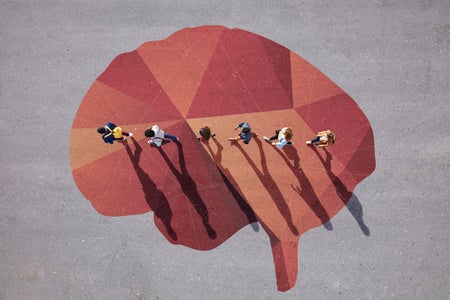
Your Brain, Free Will and the Law
Stanford University neuroscientist Robert Sapolsky talks about human behavior, the penal system and the question of free will.