NeuroscienceMay 1, 2019
Brain Activity Decoded to Produce Intelligible, Synthesized Speech
New device is a step toward translating thoughts into machine-spoken words
Brain Activity Decoded to Produce Intelligible, Synthesized Speech
New device is a step toward translating thoughts into machine-spoken words
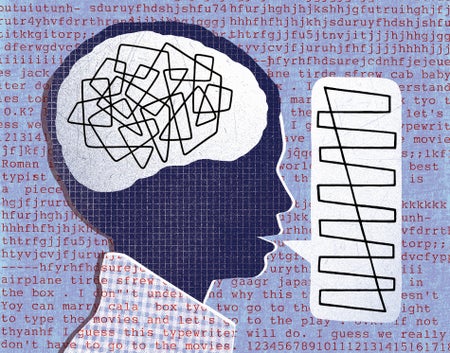
How Language Shapes the Brain
The ascent of Japan’s Emperor Naruhito offers a lesson in the neuroscientific power of words

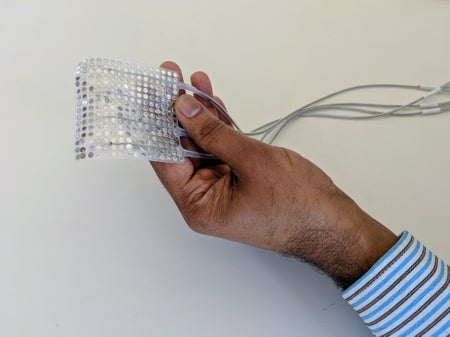
Scientists Take a Step Toward Decoding Speech from the Brain
New study gets closer to restoring natural communication for those who cannot speak

Honeybees Can Put Two and Two Together
The tiny brain of a honeybee is apparently able to calculate small numbers' addition and subtraction. Annie Sneed reports.

You’ve Got a Blind Spot at Nighttime
Recent research explains why you’ve never noticed before
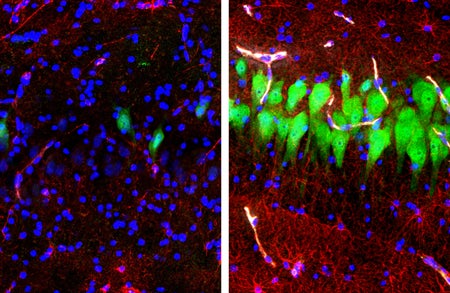
Brain Restoration System Explores Hazy Territory between Being Dead or Alive
An experiment that restored cellular function to pigs’ brains hours after death holds the potential for advancing neuroscience research
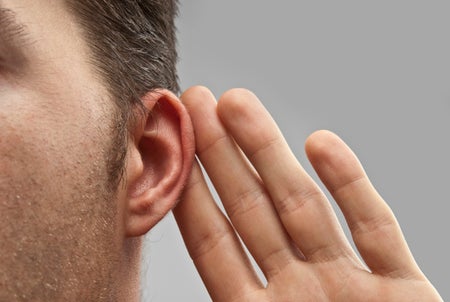
What Chickens Can Teach Hearing Researchers
At an April 9th event sponsored by the Kavli Foundation and produced by Scientific American that honored Nobel and Kavli Prize winners, neuroscientists James Hudspeth and Robert Fettiplace talked about the physiology of hearing and the possibility of restoring hearing loss.

Pig Experiment Challenges Assumptions around Brain Damage in People
The restoration of some structures and cellular functions in pig brains hours after death could intensify debates about when human organs should be removed for transplantation, warn Stuart Youngner and Insoo Hyun
Behind the Buzz: How Ketamine Changes the Depressed Patient’s Brain
The anesthetic-cum-party drug restores the ability to make connections among brain cells

A New Way to Detect Parkinson’s—by Smell
Discovery of odorous markers for neurodegenerative disease

“Hyperscans” Show How Brains Sync as People Interact
Social neuroscientists ask what happens at the level of neurons when you tell someone a story or a group watches movies
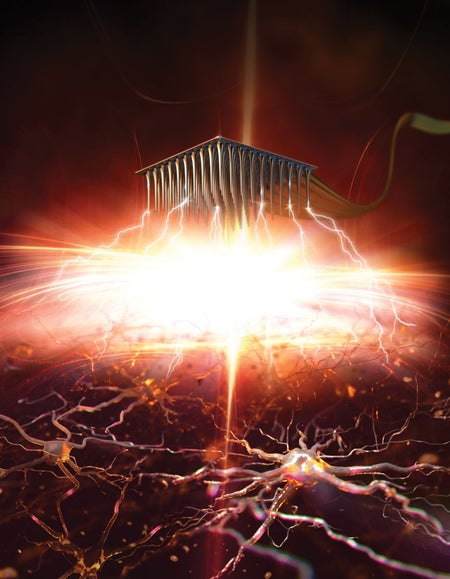
Machines That Translate Wants into Actions
A new generation of brain-machine interfaces can deduce what a person wants