NeuroscienceJune 27, 2019
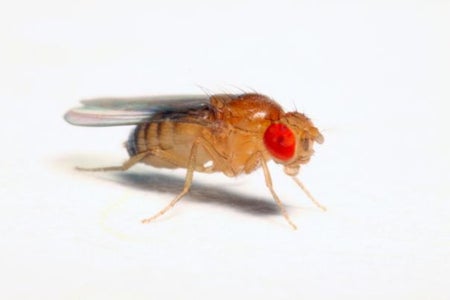
Scientists Fool Flies with “Virtual Tastes”
By switching fruit flies' sensory neurons on and off with light, scientists were able to create the sensation of sweet or bitter tastes. Christopher Intagliata reports.
Scientists Fool Flies with “Virtual Tastes”
By switching fruit flies' sensory neurons on and off with light, scientists were able to create the sensation of sweet or bitter tastes. Christopher Intagliata reports.
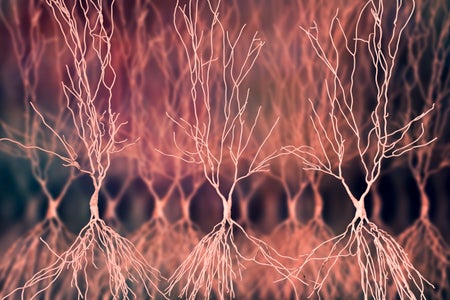
Better Memory through Electrical Brain Ripples
A study in mice shows improved cognitive performance when these bursting signals move around memory circuits


“Noncoding” Mutations May Play Unexpected Key Role in Autism
A new study used machine learning to show how “all mutations are not created equal”

Does Thirst Start in the Mouth or the Gut?
A new study in mice reveals why consuming a beverage is usually pleasurable but is not always enough to quench thirst
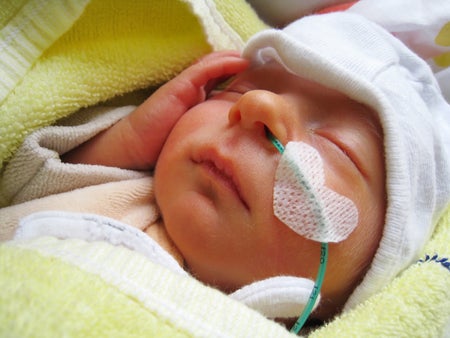
Music May Orchestrate Better Brain Connectivity in Preterm Infants
Preterm babies who listened to music in the neonatal intensive care unit had brain activity that more closely resembled that of full-term babies. Christopher Intagliata reports.

Creative Types Reserve a Special Corner of the Brain for Dreaming Big
Artists, novelists, actors and directors excel at tapping into “imagination” circuits

Autism May Be Diagnosed by Age Two
New study suggests that early screening may benefit some children

Brain-Controlled Hearing Aids Could Cut through Crowd Noise
A prototype detects whom you are listening to and amplifies only that speaker’s voice; a potential solution to the “cocktail party problem”

Thwarting a Protein Reverses Brain Decline in Aged Mice
Blocking an immune-related molecule lodged in blood vessels stops memory loss

Infections and Drugs to Treat Them Tied to Eating Disorders in Teens
A new study adds to growing evidence that immune system dysfunction and altered gut microbes may contribute to the development of eating disorders
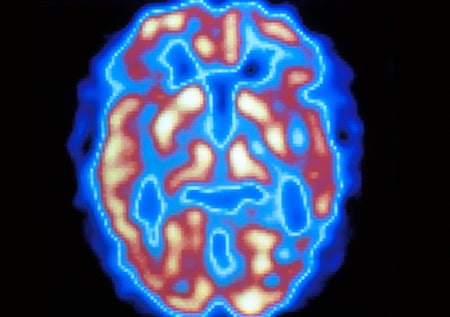
AI Tool Could Help Diagnose Alzheimer’s
A new algorithm accurately identified more than 90 percent of people who would advance to an Alzheimer’s diagnosis in about six years

Brain Activity Decoded to Produce Intelligible, Synthesized Speech
New device is a step toward translating thoughts into machine-spoken words