NeuroscienceJune 4, 2018
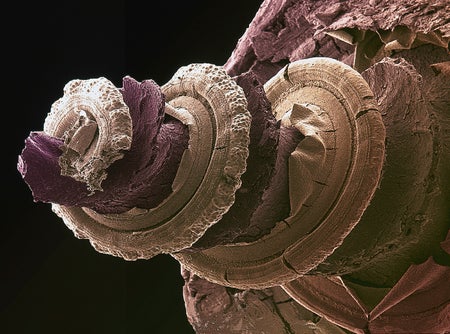
There’s an “Inverse Piano” in Your Head
A Kavli Prize–winning scientist details the magic of transforming vibrations into sound in the inner ear
There’s an “Inverse Piano” in Your Head
A Kavli Prize–winning scientist details the magic of transforming vibrations into sound in the inner ear
Speaking a Second Language May Give Low-Income Kids a Boost
New findings add fuel to the bilingual advantage debate

Daydreaming May Help You Become More Socially Adept
New research explains why relationships take up so much of our mental energy

The Truth about Hans Asperger's Nazi Collusion
Neuroscientist Simon Baron-Cohen absorbs the grave revelations in a study on a pediatrician enmeshed in autism's history
Memory Transferred between Snails, Challenging Standard Theory of How the Brain Remembers
Research finding hints at the possibility of new treatments to restore lost memories

At What Age Does Our Ability to Learn a New Language Like a Native Speaker Disappear?
Despite the conventional wisdom, a new study shows picking up the subtleties of grammar in a second language does not fade until well into the teens
Total Recall: The Latest Tools for Understanding How Memory Works

Sound Awake: “Noisy” Neurons May Repeatedly Disrupt Your Sleep
Study proposes novel sleep theory, but whether it can explain infant death syndrome remains less clear

Bad Audio Can Hurt a Scientist's Credibility
Listeners gave more credence to a scientist’s radio interview when the audio was good quality than they did to the same material when the audio was poor. Christopher Intagliata reports.
Miniature Human Brains Grow for Months When Implanted in Mice Skulls
The lab-grown cerebrums are about the size of a lentil
Brain Scan Might Reveal Appetite for Risk
Volunteers willing to place riskier bets tended to sport larger amygdalas—a region associated with processing fear. Christopher Intagliata reports.

Did You Buy Bitcoins? Your Brain’s Anatomy Might Be to Blame
Scans show people who can endure greater risk share certain neurological features