NeuroscienceApril 1, 2018
Brain’s “Brakes” Suppress Unwanted Thoughts
Researchers identify a new target for disorders such as PTSD and schizophrenia
Brain’s “Brakes” Suppress Unwanted Thoughts
Researchers identify a new target for disorders such as PTSD and schizophrenia
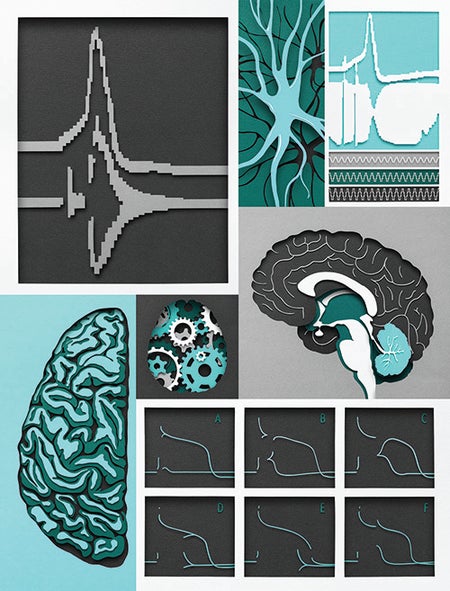
Brain Cells Communicate with Mechanical Pulses, Not Electric Signals
Physicists who have revived experiments from 50 years ago say nerve cells communicate with mechanical pulses, not electric ones

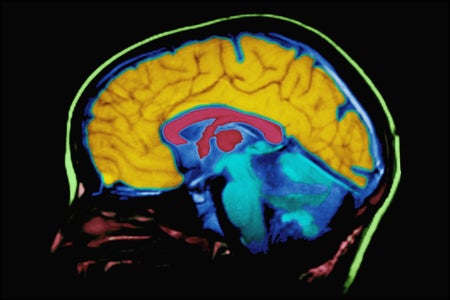
A Brain Deprived of Memory
Michael Lemonick, opinion editor at Scientific American, talks about his most recent book, The Perpetual Now: A Story of Amnesia, Memory and Love, about Lonni Sue Johnson, who suffered a specific kind of brain damage that robbed her of much of her memory and her ability to form new memories, and what she has revealed to neuroscientists about memory and the brain.
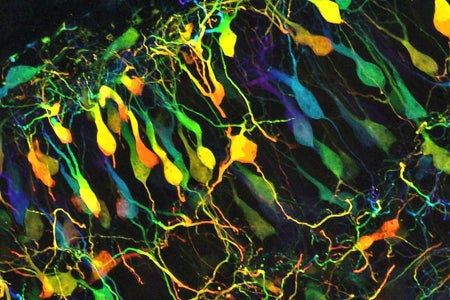
Neuroscience in the Gallery
The Netherlands Institute for Neuroscience is seeking entries for a competition that celebrates visual art inspired by the brain
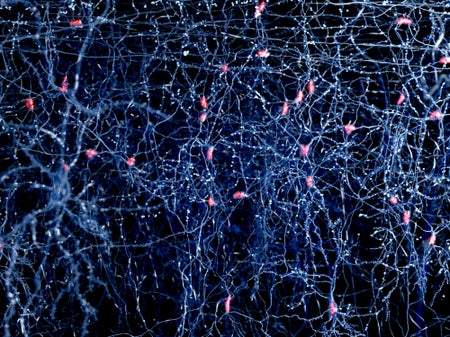
“Bar Codes” Could Trace Errant Brain Wiring in Autism and Schizophrenia
A new, speedy technique affords scientists the ability to visualize the brain’s myriad connections at an unprecedented level of complexity
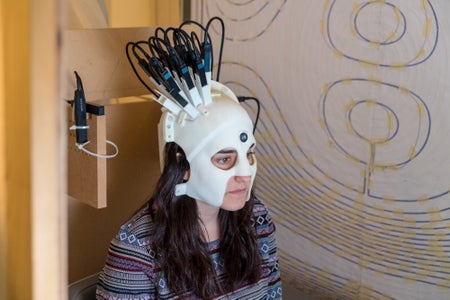
Worn Like a Helmet, a New Brain Scanner Aims to Make It Easier to Treat Kids with Epilepsy
Lightweight equipment is not much larger than what a bicyclist would wear
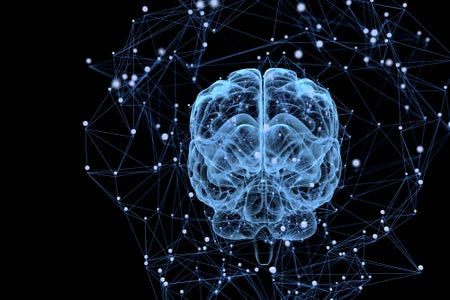
Portrait of a Memory
Researchers are painting intricate pictures of individual memories and learning how the brain works in the process
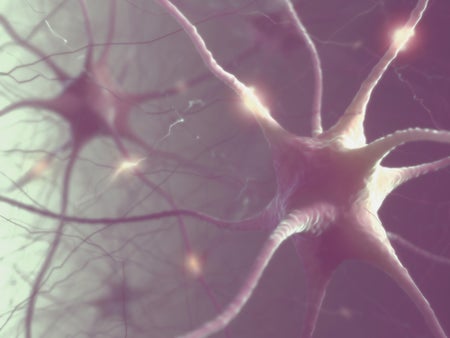
Brain Implants for Mood Disorders Tested in People
AI-controlled devices record neural activity and automatically stimulate the brain
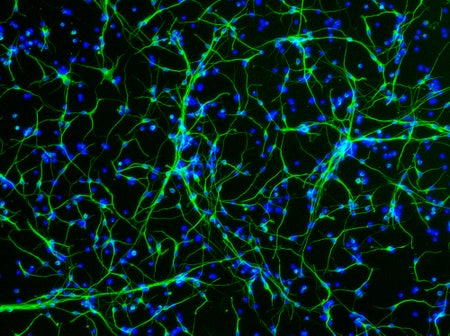
Does the Adult Brain Really Grow New Neurons?
A new study stirs up debate over a long-held finding, and could dim hopes for the treatment of neurodegenerative diseases
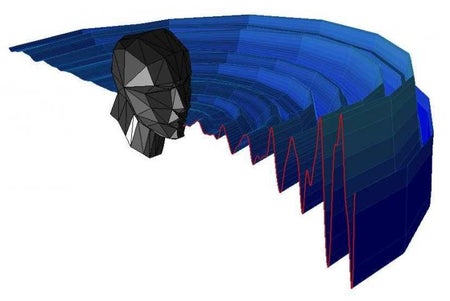
Human Echolocators Use Tricks Similar to Bats
People who use echolocating mouth clicks to compensate for low vision increase the number and intensity of clicks when objects are harder to detect. Christopher Intagliata reports.
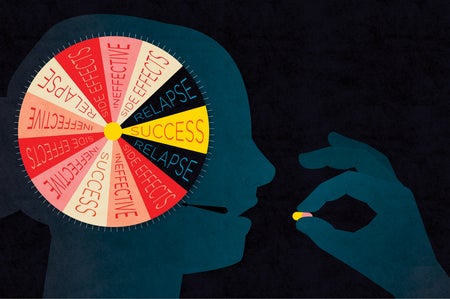
Brain Scans May Predict Optimal Mental Health Treatments
Imaging technologies could find the best treatments for depression and addiction—and could even reshape education
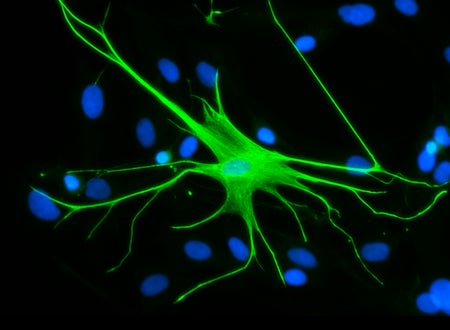
Getting to the Root of the Problem: Stem Cells Are Revealing New Secrets about Mental Illness
A fresh wave of research involves reprogramming ordinary skin cells into those found in the brain