

Karen Hopkin: This is Scientific American’s 60-Second Science. I’m Karen Hopkin.
[CLIP: Audio of bat calls]
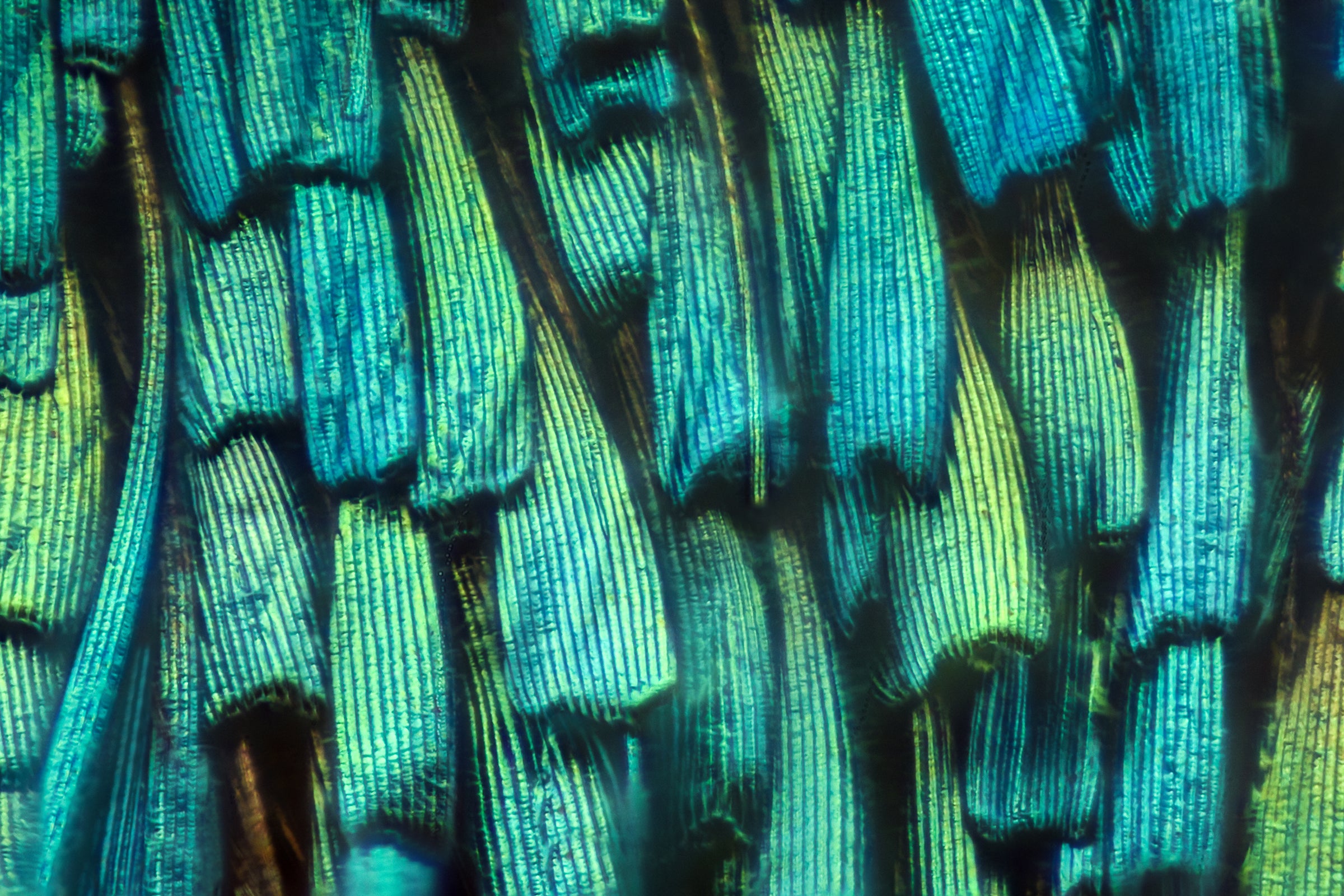
Hopkin: Bats use echolocation to hunt for their meals, and moths are often on the menu. But in the acoustic arms race between predator and prey, moths also have a trick or two up their sleeve—or, actually, on their wings, because a new study shows that moth wings are covered with scales that absorb sound, particularly the ultrasonic variety preferred by bats.
On supporting science journalism
If you're enjoying this article, consider supporting our award-winning journalism by subscribing. By purchasing a subscription you are helping to ensure the future of impactful stories about the discoveries and ideas shaping our world today.
Thomas Neil: So moth and butterfly wings are covered in layers of scales. These are made of a naturally occurring polymer called chitin, which is a polymer you find in most insect and crustacean exoskeletons.
Hopkin: That’s Thomas Neil of the University of Bristol. He started out by bombarding bits of moth wings with sound and seeing what bounced back.
Neil: We discovered that moth scales actually resonate in response to being hit with ultrasound. And they resonate at frequencies that pretty much perfectly match the frequencies that bats use for echolocation.
Hopkin: That vibration converts sound energy to mechanical energy, which muffles the echo that gets back to the bats.
Neil: That probably hasn’t happened by accident, that these scales are such a shape and size that they’re resonating at just the right frequencies that they can absorb sound energy from hunting bats.
Hopkin: Next, Neil and his colleagues modeled the sound-dampening capabilities of an array of different scales.
Neil: The really cool thing about moths is their scales are all different shapes and sizes. So what we found is that each individual scale will resonate at slightly different frequencies—and that, collectively, they actually absorb a really broadband range of frequencies.
Hopkin: That range covers the frequencies of bat echolocation calls—findings Neil presented at the Meeting of the Acoustical Society of America.
Neil: So it means that the moths should be pretty well protected from a whole host of bats that they might interact with out in the wild.
Hopkin: But does the strategy actually work?
Neil: So we don’t actually know how effective these scales are at protecting moths in the real world. But from everything we can model and measure and predict, it seems like they would have quite a considerable advantage in trying to hide these moths from bats hunting at night.
Hopkin: For any bats that might be listening, Neil says there’s not much you can do to thwart this moth maneuver.
Neil: The only real thing that they could do would be to call at higher amplitudes, so to increase the strength of their own echolocation calls such that the echo they got from a moth would be stronger.
Hopkin: In other words, you might catch more moths with a shout than with a whisper.
[The above text is a transcript of this podcast.]
