DiversityJune 1, 2022
A Playbook for Science Denial, ‘Scientific Phallocracy’ in the Animal Kingdom, and More
Recommendations from the editors of Scientific American
A Playbook for Science Denial, ‘Scientific Phallocracy’ in the Animal Kingdom, and More
Recommendations from the editors of Scientific American
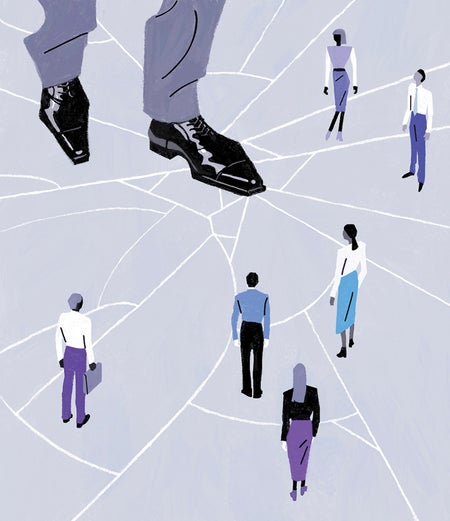
How Dominant Leaders Go Wrong
Highly assertive, confident individuals may foster a selfish culture that hurts productivity


From Designing a House to Editing Text, Sometimes Less Is More
Our minds tend to create new stuff by piling on to what’s already there, a practice that narrows our thinking

Can’t Buy Me Luck: The Role of Serendipity in the Beatles’ Success
The right combination of variables is needed to achieve a blazing success—one explanation for why there was never a “Kinksmania”

The Dark Side of Collaboration
People working together often scheme to put profits ahead of telling the truth. New research points to ways to stop this behavior

Facial Expressions Do Not Reveal Emotions
The emotion AI industry, courts and child educators are unknowingly relying on a misunderstanding of Darwin’s ideas

A New Dimension to a Meaningful Life
Studies suggest that appreciating beauty in the everyday may be just as powerful as a sense of overarching purpose
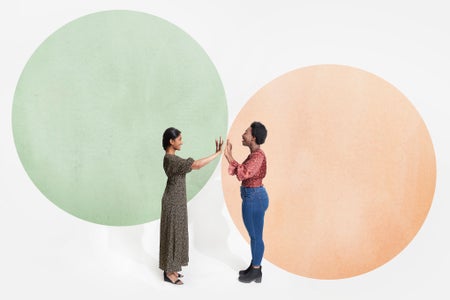
To Fight Bias, Consider Highlighting Your Race or Gender
When networking, women and people in racial and ethnic minority groups can benefit from calling out their identity

What to Tell Kids about Ukraine: Recommendations from a Psychologist
Children are worried by Russia’s attack and need explanations about what is going on, a family counselor says
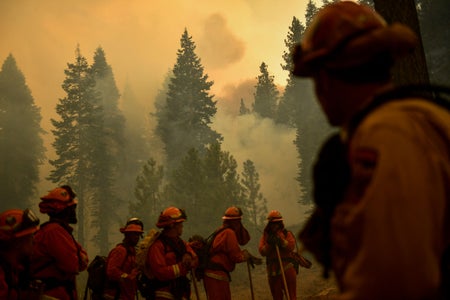
Psychologists Urge Peers to Take Climate Action
The nation’s largest association of psychologists said its members should do more to treat the dangerous health effects of rising temperatures
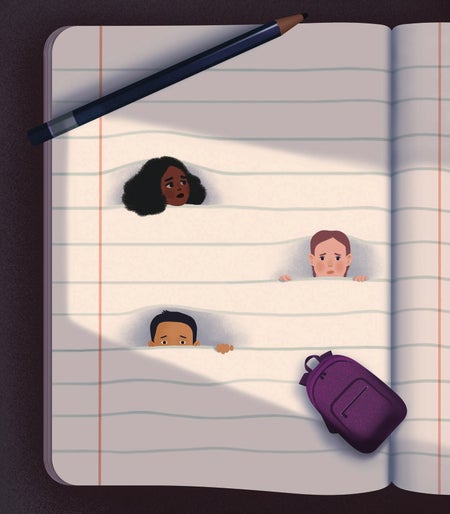
Why Kids Are Afraid to Ask for Help
Children as young as seven years old may hesitate to ask questions in school because they worry classmates will think they are “stupid”

The Personality Trait ‘Intolerance of Uncertainty’ Causes Anguish during COVID
High levels of it have put people at risk of emotional problems