
PsychologySeptember 19, 2022
Moral Injury Is an Invisible Epidemic That Affects Millions
A specific kind of trauma results when a person’s core principles are violated during wartime or a pandemic
Moral Injury Is an Invisible Epidemic That Affects Millions
A specific kind of trauma results when a person’s core principles are violated during wartime or a pandemic
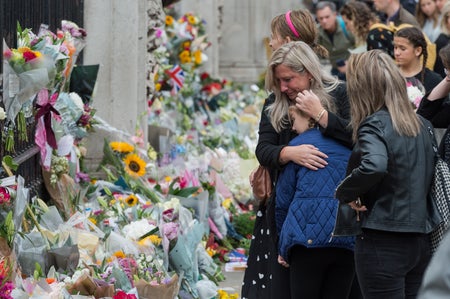
What’s the Science of Public Grief?
Most of the people mourning the death of Queen Elizabeth II were not close to her—research can shed light on the nature of their grief


It’s Time To Rethink the Origins of Pain
Chronic pain is biochemical, but it’s also psychological, and treatment needs to address how we think and feel about it
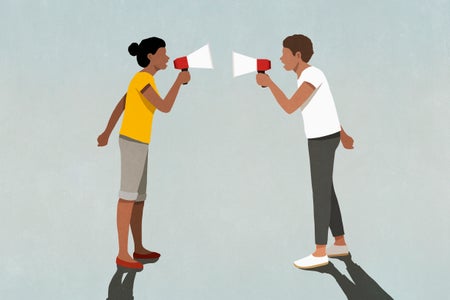
Changing Perceptions about Harm Can Temper Moral Outrage
If you can find ways to make an activity appear safer, you can also make it more morally acceptable to some people
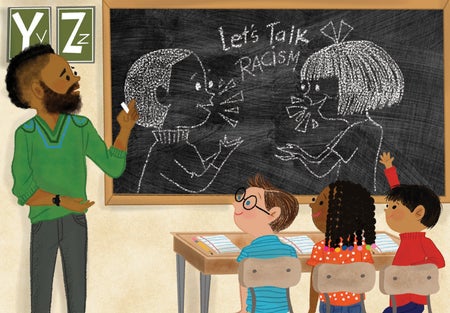
In Schools, Honest Talk about Racism Can Reduce Discrimination
New laws make it harder for teachers to discuss racism and inequality, but psychological evidence shows these conversations dispel causes of bias and distress

Why Thinking Hard Wears You Out
Concentrating for long periods builds up chemicals that disrupt brain functioning.

When Students Acquire Spatial Skills, Their Verbal Abilities Get a Boost
Learning to visualize objects might improve thinking in words, a finding that could enhance teaching methods

Why COVID Makes So Many of Us Feel Guilty
Making decisions based on complex information is frustrating and stressful, but a change in mindset can help

What Keeps a Crowd from Becoming a Mob?
Amid COVID, studies in Denmark suggest that crowds do not always engage in bad behavior—and that mass-gatherings sometimes offer meaningful connection

How Parents’ Trauma Leaves Biological Traces in Children
Adverse experiences can change future generations through epigenetic pathways
Behind Every Smile

Strawberry Fields
Nothing is real about the colors you see here