
EnvironmentJanuary 29, 2009
Forget Nuclear Fission, How about Fusion?
Imitating the sun remains an elusive goal for energy researchers. David Biello reports
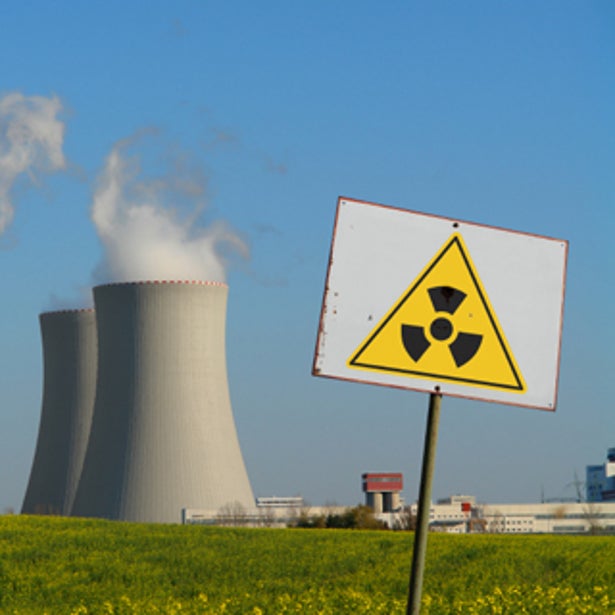
The U.S.--and the world--is gearing up to build a potentially massive fleet of new nuclear reactors, in part to fight climate change. But can nuclear power handle the load?
© iStockPhoto
Forget Nuclear Fission, How about Fusion?
Imitating the sun remains an elusive goal for energy researchers. David Biello reports
Atomic Weight: Balancing the Risks and Rewards of a Power Source
Nuclear power--like most forms of electricity generation--carries inherent risks. Is it worth the minor chance of a major catastrophe?
Spent Nuclear Fuel: A Trash Heap Deadly for 250,000 Years or a Renewable Energy Source?
Nuclear waste is either a millennia's worth of lethal garbage or the fuel of future nuclear reactors--or both
Comic Books from the Atomic Age
Using comic books to explore the issues and history of nuclear power
Reactivating Nuclear Reactors for the Fight against Climate Change
Even environmentalists are reevaluating nuclear power as a possible solution to global warming, but can it really help?
Finding Fissile Fuel
A new wave of nuclear power plant construction has boosted the price of uranium reactor fuel
How long will the world's uranium supplies last?
Steve Fetter, dean of the University of Maryland's School of Public Policy, supplies an answer
The Workings of an Ancient Nuclear Reactor
Two billion years ago parts of an African uranium deposit spontaneously underwent nuclear fission. The details of this remarkable phenomenon are just now becoming clear
Next Generation Nuclear Power
New, safer and more economical nuclear reactors could not only satisfy many of our future energy needs but could combat global warming as well
Smarter Use of Nuclear Waste
Fast-neutron reactors could extract much more energy from recycled nuclear fuel, minimize the risks of weapons proliferation and markedly reduce the time nuclear waste must be isolated
Dismantling Nuclear Reactors
Taking apart a nuclear power plant that has reached the end of its life is a complicated task. But not for the reasons you might expect
Uranium as a solution to the world's economic crisis?
Can Nuclear Power Compete?
Newly approved reactor designs could reduce global warming and fossil-fuel dependence, but utilities are grappling with whether better nukes make market sense
Lights Out?: How the Grid Copes When a Nuclear Power Plant Goes Down
What companies are doing to keep consumers out of the dark when a power facility fails
Rethinking Nuclear Fuel Recycling
Plans are afoot to reuse spent reactor fuel in the U.S. But the advantages of the scheme pale in comparison with its dangers

Detecting Nuclear Smuggling
Radiation monitors at U.S. ports cannot reliably detect highly enriched uranium, which onshore terrorists could assemble into a nuclear bomb
New Technology For Detecting Nuclear Smuggling [Video]
Nuclear Energy's Next Generation
A new generation of reactors after more than 30 years without a new nuclear plant raises hopes, opportunities and concerns. David Biello reports. See tinyurl.com/2pb4bc
Nuclear Power Reborn
New Jersey-based NRG Energy applies to build the first new nuclear power plant in the U.S. in more than 30 years
Nuclear Mishap or Meltdown?: It's All a Matter of Degree
An obscure scale helps communicate the relative severity of a nuclear accident
Colloids in Russia: Have Plutonium, Will Travel
Nuclear Energy's Future, the Mouse-Cheese Relationship
In this episode, MIT physicist Ernest Moniz discusses the future of nuclear energy and the article he co-authored in the September issue of Scientific American called The Nuclear Option. David Holmes of Manchester Metropolitan University talks about the reality of mouse food preferences and whether or not cheese is included. Plus we'll test your knowledge about some recent science in the news. Websites mentioned on this episode include www.sciam.com; http://web.mit.edu/nuclearpower; www.cheese.com; http://www.defensetech.org/archives/2006_09.html.
The Nuclear Option
A threefold expansion of nuclear power could contribute significantly to staving off climate change by avoiding one billion to two billion tons of carbon emissions annually
How do fast breeder reactors differ from regular nuclear power plants?