
AnimalsJanuary 8, 2026
Jellyfish and sea anemones sleep just like us
Sea anemones and jellyfish don’t have brains, but the way their neurons behave during sleep shows some surprising similarities to humans
Jellyfish and sea anemones sleep just like us
Sea anemones and jellyfish don’t have brains, but the way their neurons behave during sleep shows some surprising similarities to humans
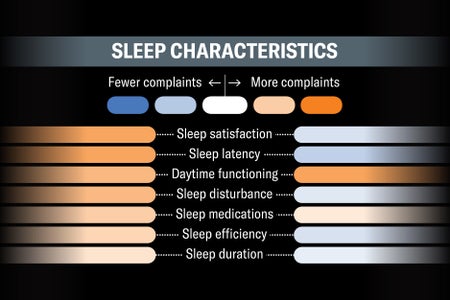
Which Sleep Profile Are You? The Answer Shapes Your Health
Psychological data and brain scans show how sleep can improve our lives, our bodies and our relationships

Is Melatonin Safe? Experts Explain the Potential Risks—And the Benefits
Melatonin supplements have become a ubiquitous sleep aid, but research shows that benefits are modest, and the heart health effects of long-term use are unknown
Our Body Clock Might Prefer Permanent Standard Time
A new study suggests that permanent standard time may reduce obesity and stroke
How Your Brain’s Nightly Cleanse Keeps It Healthy
Washing waste from the brain is an essential function of sleep—and it could help ward off dementia
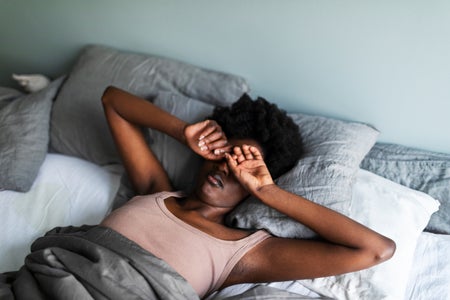
Brain Science Reveals Why Waking Up Can Be Such a Struggle
Neuroscientists have found that the brain can wake up in different ways, explaining why some mornings feel like a dream and some feel like a disaster
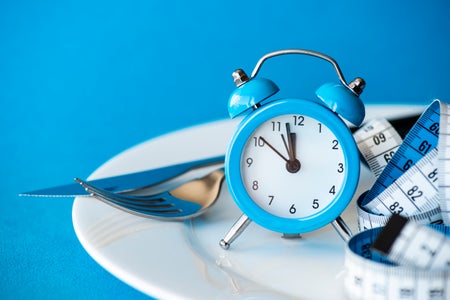
Sleep Plays an Important Role in Sustainable Weight Loss
A sleep medicine specialist explains how restless nights lead to consuming more calories and how you can use sleep as a tool for weight loss
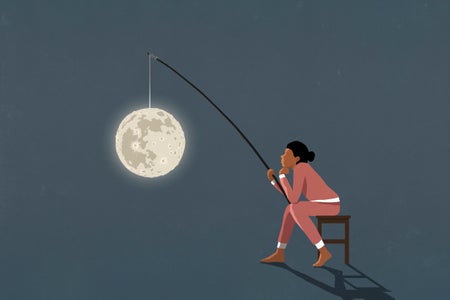
One Woman’s Pharmaceutical Journey to a Good Night’s Sleep
When insomnia took hold of this journalist, she relied on her science reporting to find a medication that (mostly) worked
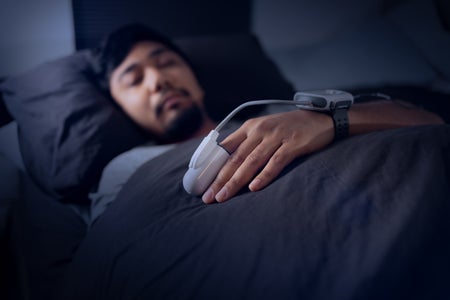
Sleep Better with New Drugs, Select Cannabinoids and Wearable Devices
Drugs that target wakefulness, molecules in cannabis and wearable devices that modulate brain activity could help people with insomnia
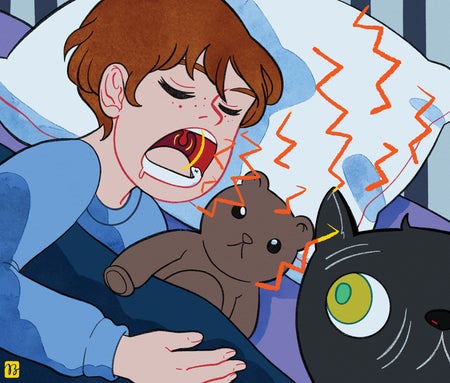
Why You Shouldn’t Ignore Loud Snoring in Kids
Snoring indicates oxygen reduction, but a variety of treatments can restore healthy airflow
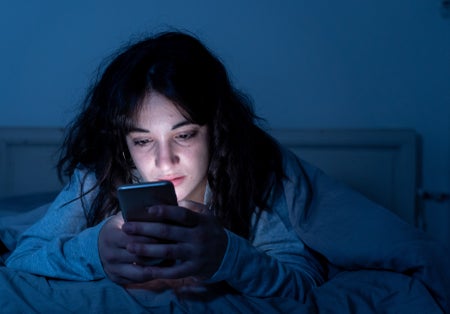
Why Social Media Screen Time Is So Bad for Sleep
Scrolling on social media at bedtime is particularly disruptive to sleep. Here’s why
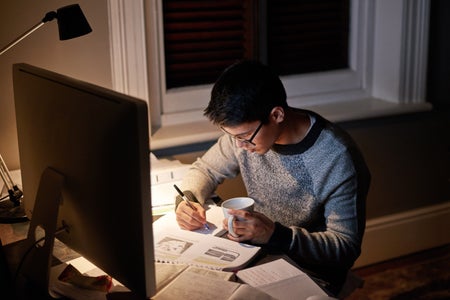
Why People Feel ‘Tired but Wired’ after Little Sleep
People on TikTok and other social media say they feel more alert when they have had fewer hours of sleep—but sleep scientists warn this is a false sense of energy