SleepJuly 17, 2026
Permanent daylight savings is bad for Americans’ health—here’s what science says could be better
More sunlight in the evenings doesn’t always equate to better health
Permanent daylight savings is bad for Americans’ health—here’s what science says could be better
More sunlight in the evenings doesn’t always equate to better health
Early bird, night owl or something else? Five patterns may define how we sleep
New research identifies five distinct sleep subtypes, revealing links between brain patterns, behavior and health

Just getting 90 minutes less sleep could lead to weight gain
Getting as little as 90 minutes less sleep than usual may lead to gaining weight and becoming more sedentary, a new study finds
Getting the same amount of rest each day may be tied to slower biological aging
Stable rhythms of rest and activity are associated with healthier biological age markers, a new study suggests
Americans are exhausted, a new CDC report shows
Nearly a third of all U.S. adults are sleeping fewer than the recommended seven hours per night on average
The case for timing medical treatments to daily circadian rhythms
A growing field of research suggests that some medical treatments, such as cancer therapy or vaccines, might be more effective when given at certain times of the day
Scientists revive activity in frozen mouse brains for the first time
“Cryosleep” remains the preserve of science fiction, but researchers are getting closer to restoring brain function after deep freezing

How to ‘spring forward’ for daylight saving time without leaving your body and brain behind
As clocks spring forward, light and movement are cues for daytime wakefulness that can improve sleep and overall health
Like staying up late? You may be putting yourself at risk of heart problems
A study of more than 320,000 people found that night owls are more likely to engage in behaviors that increase the risk of cardiovascular disease such as smoking and sleeping poorly
Want to live longer? Tiny changes to your sleep, exercise and diet could add a year to your life
New research suggests that getting even just a few more minutes of sleep and exercise and eating an extra cup of vegetables every day can significantly boost longevity
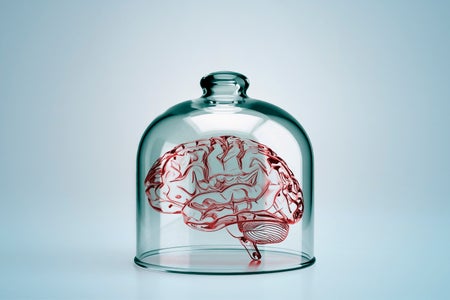
Can a severed brain remain conscious?
Consciousness researchers studying “islands of awareness” have found that disconnected brains likely sink into a strange form of deep sleep
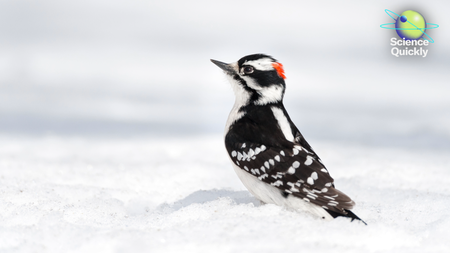
How Woodpeckers Peck with Power, Why Flu Is Spiking, and What AI and Robots Mean for Tech’s Future
Why flu cases are spiking, how AI predicts disease from your sleep, and what surprising biomechanics lie behind woodpeckers’ powerful pecks.