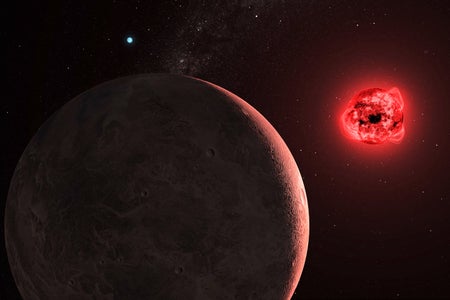
AstronomyAugust 26, 2025
New Instrument Checks on Proxima Centauri’s Planets
Fresh results from near-infrared instruments foretell a bright future for finding life elsewhere in the Milky Way
New Instrument Checks on Proxima Centauri’s Planets
Fresh results from near-infrared instruments foretell a bright future for finding life elsewhere in the Milky Way
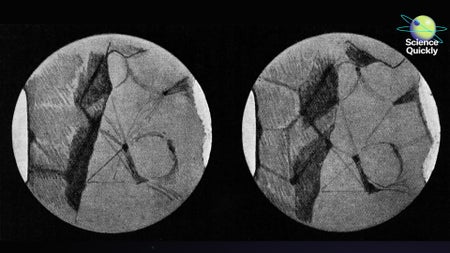
Scientific American Celebrates 180 Years with Stories of Scientific U-turns
In honor of SciAm’s 180th birthday, we’re spotlighting the biggest “wait, what?” moments in science history.

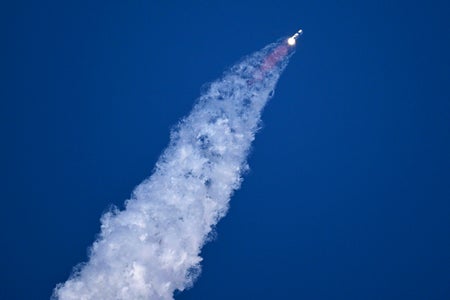
Can SpaceX Solve Its ‘Exploding Starships’ Problem?
After a string of fiery failures, SpaceX’s biggest rocket faces another test flight with sky-high stakes for U.S. space ambitions
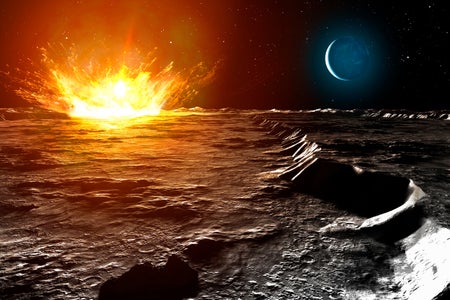
If This Asteroid Hits the Moon, Watch for Shooting Stars and Stricken Satellites
The 60-meter asteroid 2024 YR4 has a 4 percent chance of hitting the moon. Could such a lunar collision create a dangerous new meteor shower?

Carbon Dioxide Defines Our Terrifying, Exhilarating World—And Always Has
In his latest book, science journalist Peter Brannen argues that CO2 is the most important—and most misunderstood—molecule on Earth
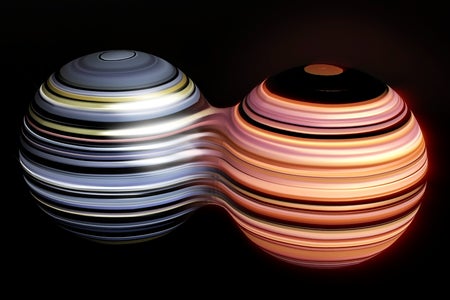
Controversial Quantum-Computing Paper Gets a Hefty Correction
The journal Science has lifted an expression of concern on a paper claiming evidence of Majorana quasiparticles, but concerns linger

These Tiny Disks Will Sail on Sunlight into Earth’s Mysterious ‘Ignorosphere’
With no fuel or engines, tiny explorers will surf sun-warmed air alone to explore high in the skies of Earth and Mars
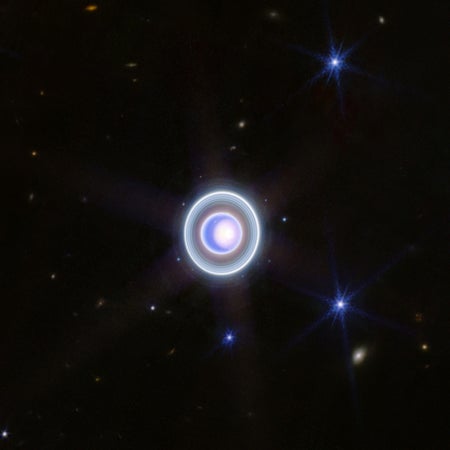
NASA’s James Webb Space Telescope Discovers New Moon of Uranus
Using the powerful James Webb Space Telescope, scientists have spotted a moon nestled near Uranus’s rings that’s so small you could walk around it
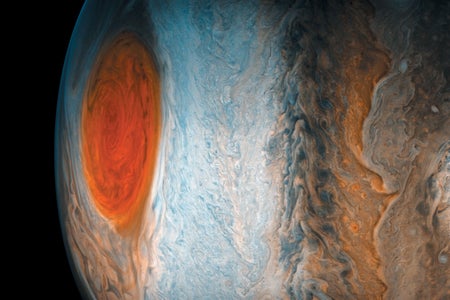
NASA’s Juno Mission Leaves Stunning Legacy of Science at Jupiter
The Juno spacecraft has rewritten the story on Jupiter, the solar system’s undisputed heavyweight
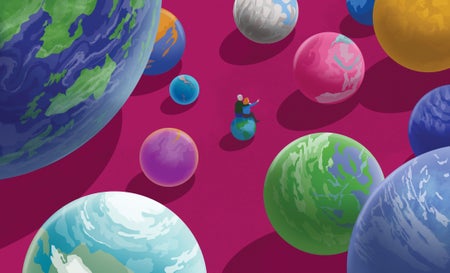
The search for extraterrestrial life is a roller coaster of hope and disappointment
The search for extraterrestrial life has periodically been turned upside down
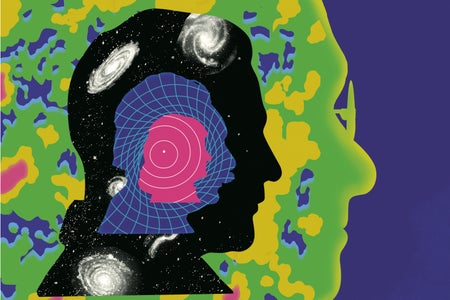
The universe is static. No, expanding! Wait, slowing? Oh, accelerating
The universe has a habit of disproving “unassailable” facts
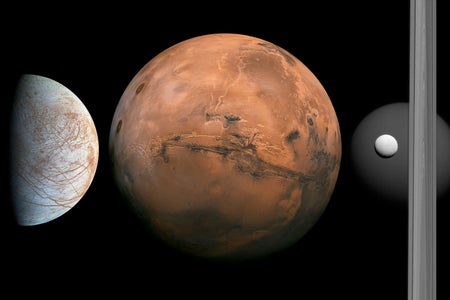
Can Cosmic Rays Help Alien Life Thrive?
Beneath the surfaces of distant planets, microbes might subsist on harsh radiation rather than starlight, a new study suggests