PaleontologyFebruary 18, 2026
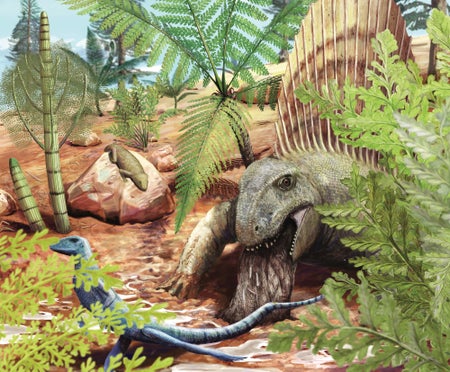
This fossilized vomit is older than the dinosaurs
Vomit is gross—but 290-million-year-old vomit is a scientific marvel
This fossilized vomit is older than the dinosaurs
Vomit is gross—but 290-million-year-old vomit is a scientific marvel
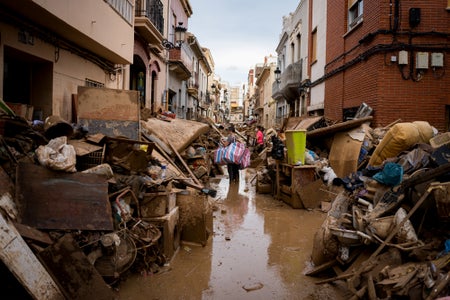
How climate change made deadly floods in Spain even worse
In 2024 extreme rain and floods hit the Spanish region of Valencia, killing more than 230 people in the country. Now a new study shows climate change made it even worse

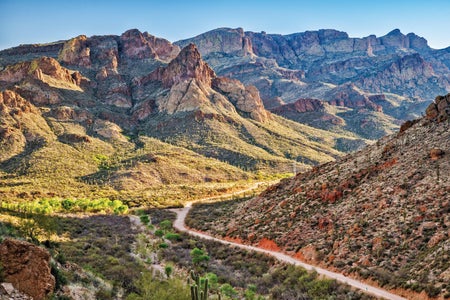
The true worth of America’s public lands
An environmental scientist’s analysis reveals who will win and who will lose in the push to put federal land into private hands
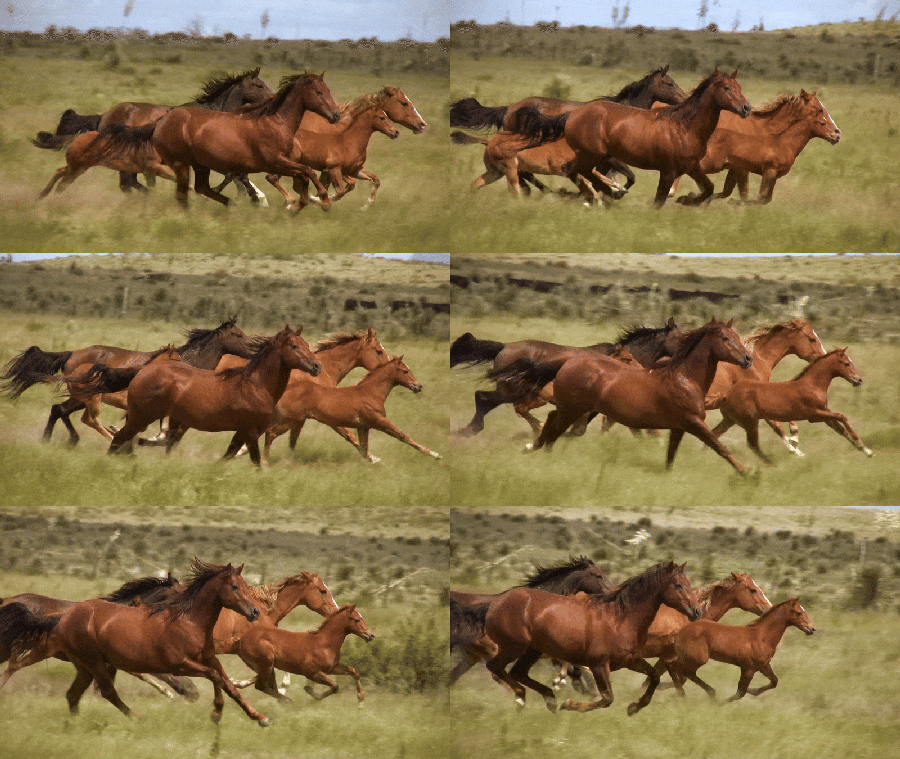
Celebrate the Year of the Horse with equine science
According to the Chinese zodiac, 2026 is the Year of the Horse—so saddle up for some equine science
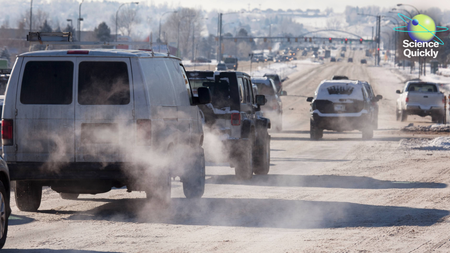
Trump guts climate policy, polar vortex disrupts winter, and Olympic ‘Penisgate’ rumors fly
We take a look at President Trump’s decision to reject a landmark climate finding, the cause of an unusual winter in the U.S. and the physics behind a bizarre ski jumping scandal
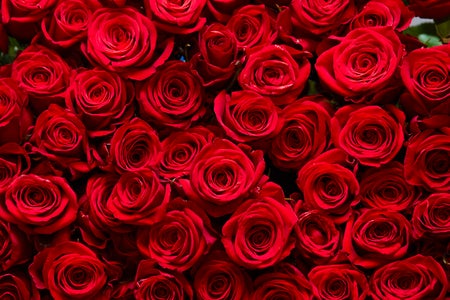
How roses evolved to become the flower of Valentine’s Day
Roses are red—but their ancestors looked rather different
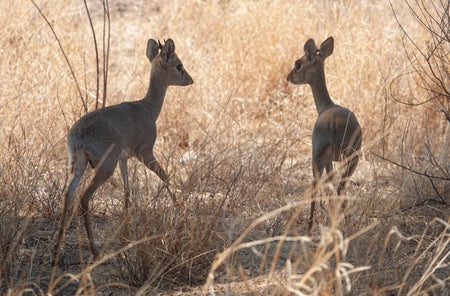
Let these nine romantic animals inspire you on Valentine’s Day
These amorous creatures could put Casanova to shame—from beguiling dancing seahorses to peacocking spiders
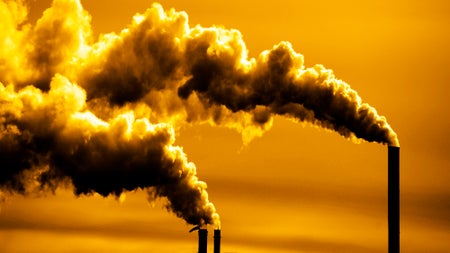
What repealing the ‘endangerment finding’ means for public health
The EPA has scrapped a rule stating that climate change harms human health. Here’s what that could mean
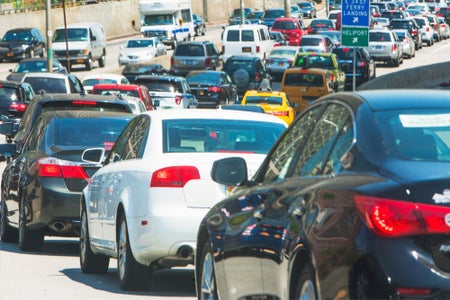
EPA scraps the ‘endangerment finding’ that climate change harms human health
The Trump administration rescinded the 2009 “endangerment finding,” ending regulation of greenhouse gases from cars and trucks
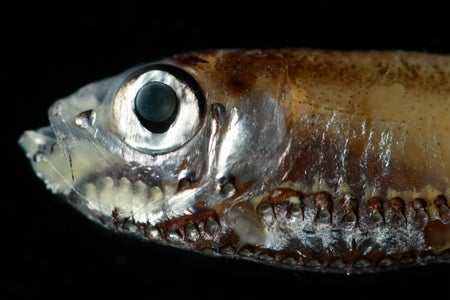
How do deep-sea fish see in dark water? This new study could hold the clue
Three species of Red Sea fish appear to rely on special “hybrid” retina cells to see in dim environments
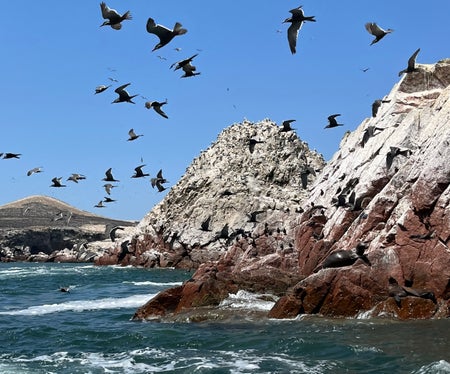
This ancient South American kingdom ran on bird poop
Maize farmers in Peru’s Chincha Valley were fertilizing their crops with seabird poop as early as the year 1250
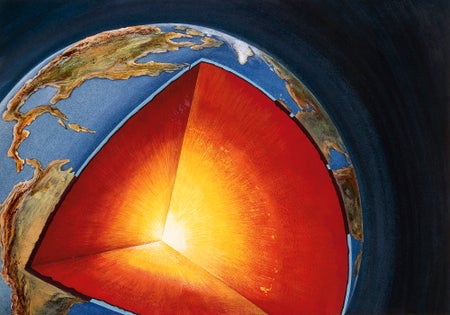
Earth’s core may contain 45 oceans’ worth of hydrogen
An experiment to quantify the amount of the universe’s lightest element in Earth’s core suggests that the planet’s water has mostly been here since the beginning