
Space & PhysicsApril 12, 2021
Celebrating 60 Years of Humans in Space
The anniversary of Yuri Gagarin’s historic voyage to orbit is a chance to reflect on how far human spaceflight has come—and where it’s going next
Celebrating 60 Years of Humans in Space
The anniversary of Yuri Gagarin’s historic voyage to orbit is a chance to reflect on how far human spaceflight has come—and where it’s going next

New NASA Administrator Should Reject Its Patriarchal and Parochial Past
Bill Nelson, Biden’s nominee, exemplifies the agency’s pork-barrel, male-dominated past

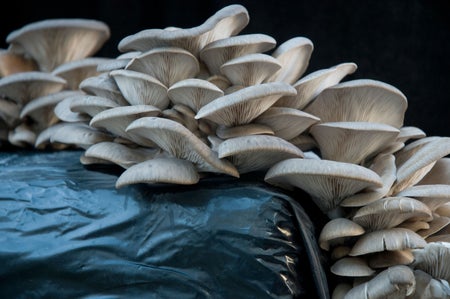
How a Carnivorous Mushroom Poisons Its Prey
Scientists have known for decades that oyster mushrooms feasted on roundworms—and they’ve finally figured out how their toxins work
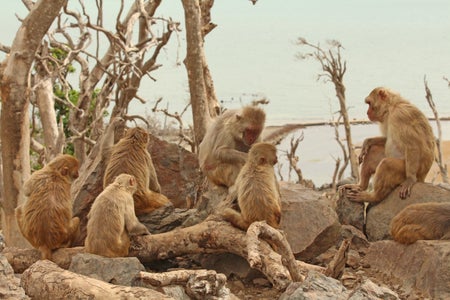
What Monkeys Can Teach Humans about Resilience after Disaster
Following Hurricane Maria, a Puerto Rican colony of rhesus macaques broadened their social networks. Could humans do the same post-COVID?

Big Physics News: The Muon g-2 Experiment Explained
Particles called muons are behaving weirdly, and that could mean a huge discovery.
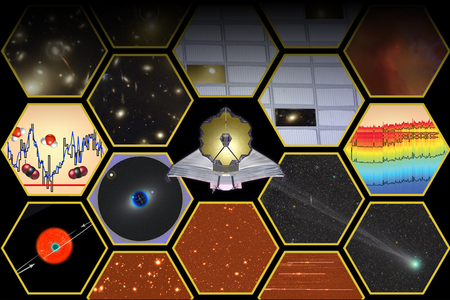
The James Webb Space Telescope’s First Year of Extraordinary Science Has Been Revealed
From more than 1,000 proposals, the scientists that hoped to perform the observatory’s historic first studies now know their fate

The Myth of Stephen Hawking
He was an important physicist, but the press and the public saw him as a prophet—and he didn’t go out of his way to discourage them
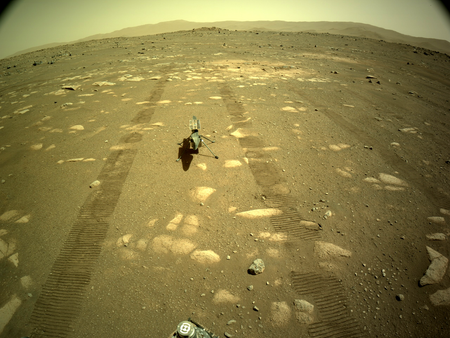
NASA’s Ingenuity Mars Helicopter Touches Down, Prepares for Flight
Now on the surface, the interplanetary aircraft could soar as early as next week

Boston’s Pigeons Coo, ‘Wicked’; New York’s Birds Coo, ‘Fuhgeddaboudit’
The two cities’ rock doves are genetically distinct, research shows.
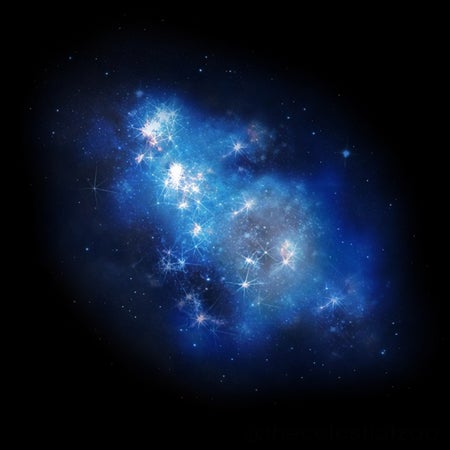
When Did Life First Emerge in the Universe?
We don’t know, but we could try to find out by searching for it on planets orbiting the very oldest stars

Chocolate’s Secret Ingredient Is Fermenting Microbes
Underneath the shiny wrapper, a chocolate bunny is a fermented food
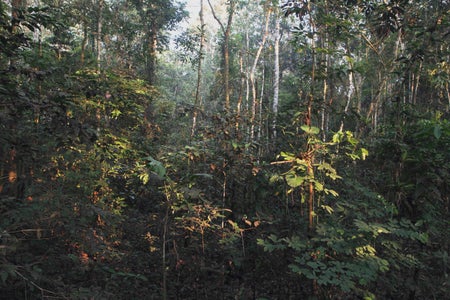
The Asteroid That Killed the Dinosaurs Created the Amazon Rain Forest
Fossilized pollen and leaves reveal that the meteorite that caused the extinction of nonavian dinosaurs also reshaped South America’s plant communities to yield the planet’s largest rain forest