OpinionJanuary 26, 2021
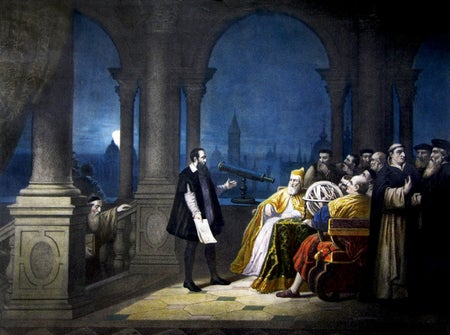
Experimental Tests of Theology
It’s understandable why some people prefer not to test their beliefs, but evidence-based science teaches us that reality does not go away when you ignore it
Experimental Tests of Theology
It’s understandable why some people prefer not to test their beliefs, but evidence-based science teaches us that reality does not go away when you ignore it
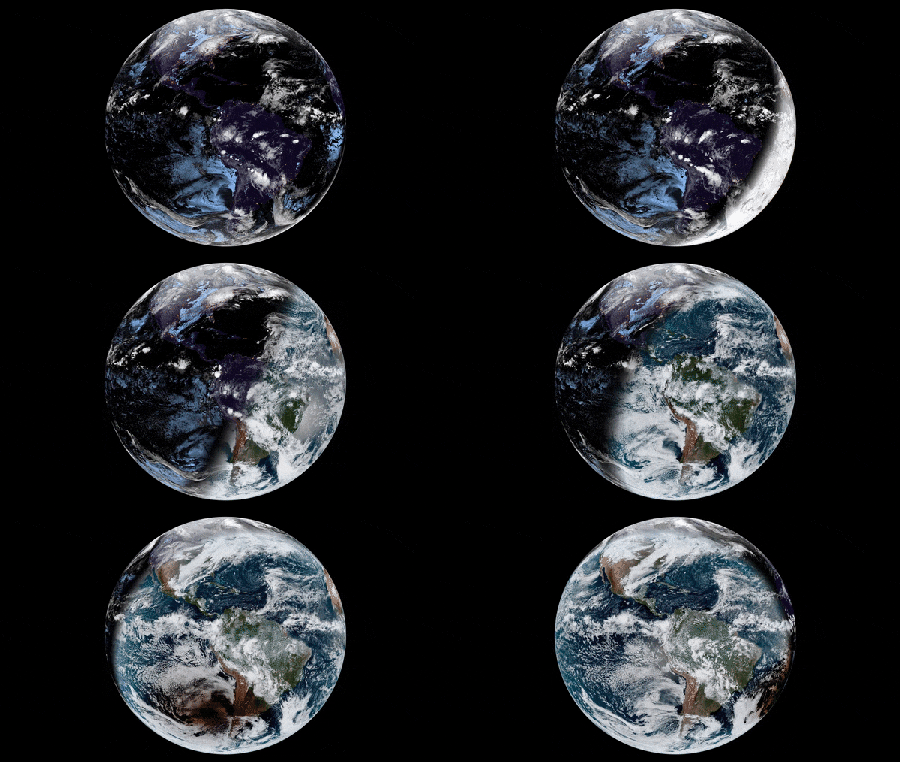
December’s Total Solar Eclipse as Seen from Space
The shadow of the moon is a brown blob moving across the face of Earth

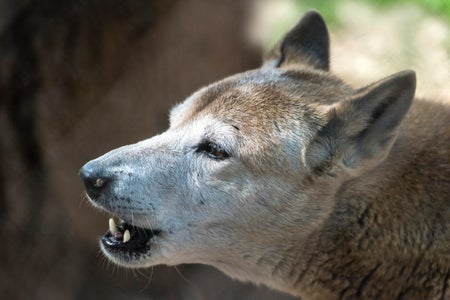
Ancient Dogs Had Complex Genetic Histories
Some dog population genetics show similarities to ours, such as in the ability to digest grains. But other lineages differ.
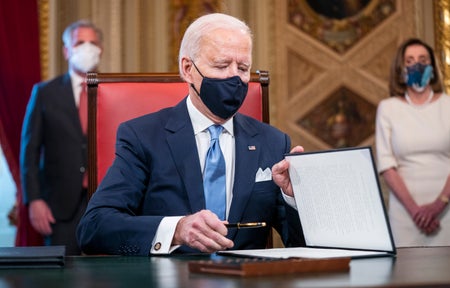
Biden Aims for 100 Million COVID Vaccinations in First 100 Days
It will not be an easy task
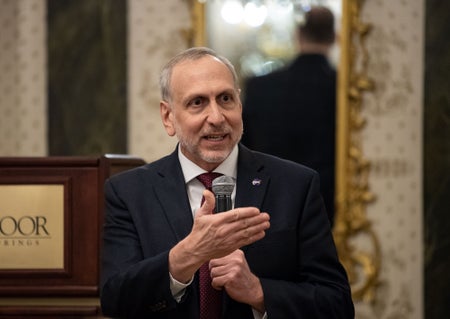
Biden Administration Appoints Acting NASA Chief
Associate administrator Steve Jurczyk, who has worked at the space agency since 1988, will serve as its interim leader during the presidential transition
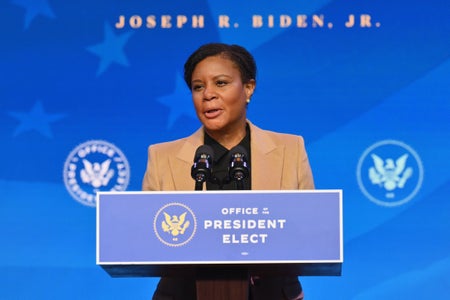
Meet Biden’s Science Team
As the U.S. president announces his advisers and agency heads, Nature’s guide tracks the appointees who matter most to science
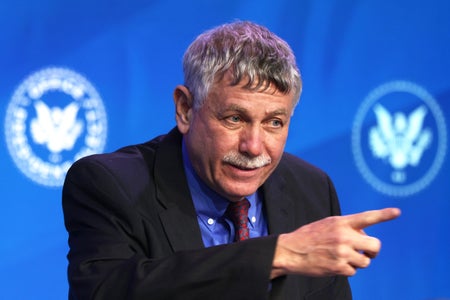
Eric Lander Is Not the Ideal Choice for Presidential Science Adviser
Despite a long list of supremely qualified people who could inspire a whole new generation of scientists, the glass ceiling in American science remains intact
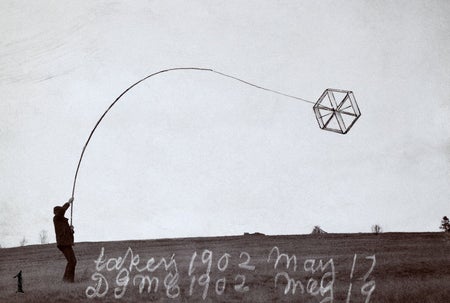
Alexander Graham Bell Goes and Flies a Kite—for Science
After patenting the telephone, the famous inventor turned his attention to giant tetrahedral kites capable of lifting people into the air
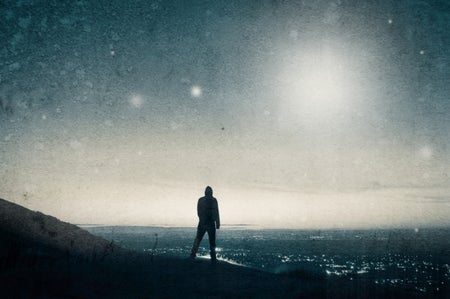
Why Do We Assume Extraterrestrials Might Want to Visit Us?
The idea presumes we’re inherently fascinating, but that’s not necessarily the case
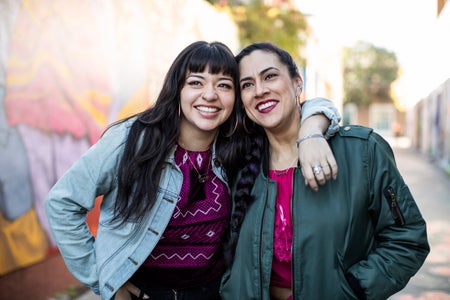
The Evolutionary Origins of Friendship
The emergence of this crucial kind of relationship relied on the ability to recognize the unique benefits others have to offer
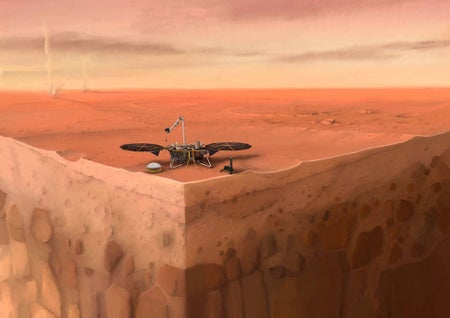
NASA Ends Efforts to Deploy Mars InSight’s ‘Mole’
After two years of futile struggles to penetrate surprisingly sticky soil, the heat probe’s demise leaves large gaps in our understanding of the Red Planet’s interior
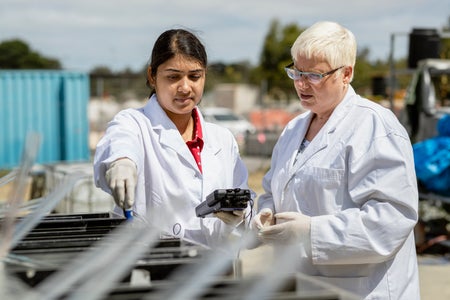
We Need STEM Mentors Who Can Reduce Bias and Fight Stereotypes
Scientific mentorship needs reform to become more equitable and accountable