WeatherFebruary 1, 2017
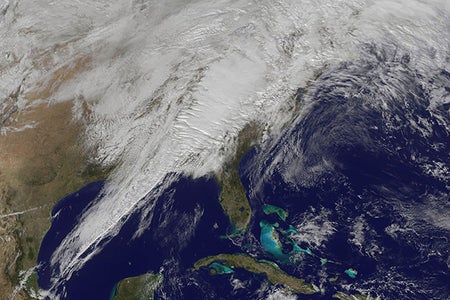
Race to Provide Commercial Weather Data Heats Up
A movement to privatize Earth-observing satellites is gaining ground
Race to Provide Commercial Weather Data Heats Up
A movement to privatize Earth-observing satellites is gaining ground
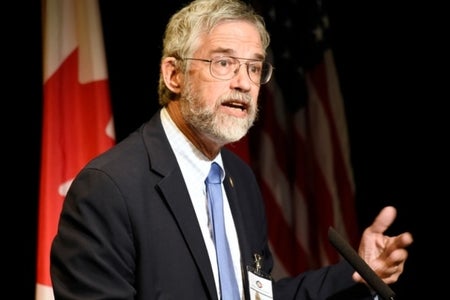
Exit Interview: Presidential Science Advisor John Holdren
Scientific American executive editor Fred Guterl talks with Pres. Obama’s science advisor, John Holdren, about climate science, space travel, the issue of reproducibility in science, the brain initiative and more.


Best Science Books of 2016
Barbara Kiser, books and arts editor at Nature, talks about her favorite science books of 2016, especially three works about the little-known history of women mathematicians.

How the Military Surveils Santa
In a Christmas tradition, the defense organization NORAD helps us keep track of Santa as he zips around the world delivering toys.
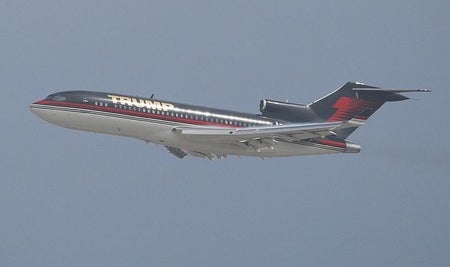
What Trump Will Mean for Air Travel
He hasn't said much, but his influence on the industry could be profound
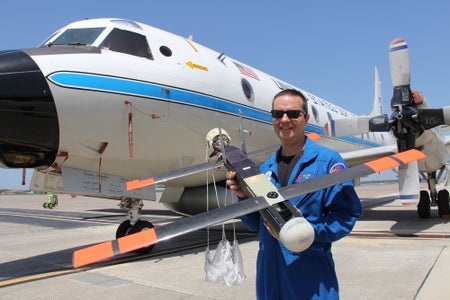
Hurricane Matthew Monitors Fly into the Belly of the Beast
NOAA storm scientists describe their harrowing trips into a swirling chaos of rain, dust, salt and bacteria
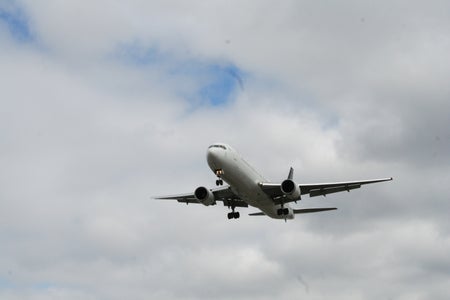
Aviation Is First Global Industry to Limit Carbon Emissions
Gauntlet is now thrown down to maritime and land transportation
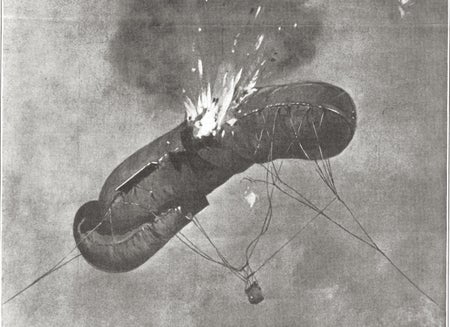
A War of Information, 1916
Reported in Scientific American, this Week in World War I: September 30, 1916

Air Traffic Control without Towers
Virtual towers located miles away from airports would be far more cost-efficient and—in principle, at least—just as safe
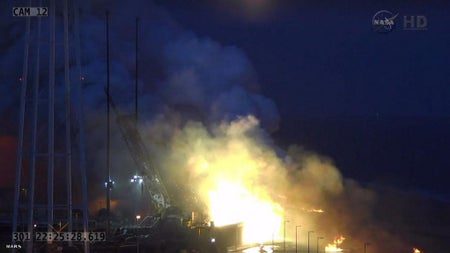
Rocket Launches Are Actually Surprisingly Successful
The recent SpaceX launchpad explosion is a reminder that rocketry is tricky, but also remarkable for accomplishing as much as it does
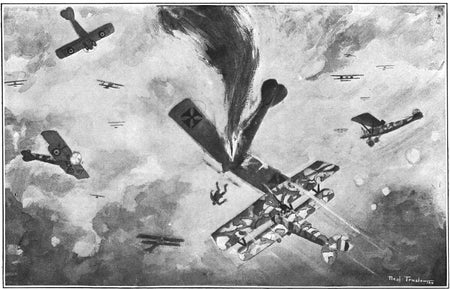
Aerial Combat, 1916
Reported in Scientific American, this Week in World War I: September 2, 1916
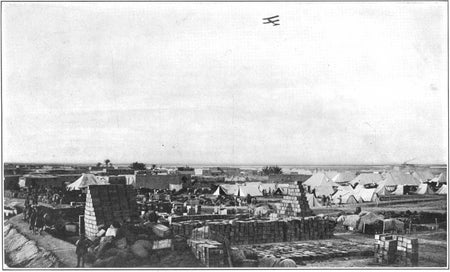
Aerial Resupply Invented, 1916
Reported in Scientific American, this Week in World War I: August 12, 1916