3 Ways Jane Goodall Challenged What It Means to Be a Scientist
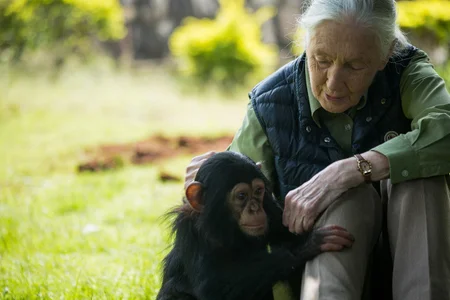
Here are three big ways that Jane Goodall transformed science

3 Ways Jane Goodall Challenged What It Means to Be a Scientist
Here are three big ways that Jane Goodall transformed science

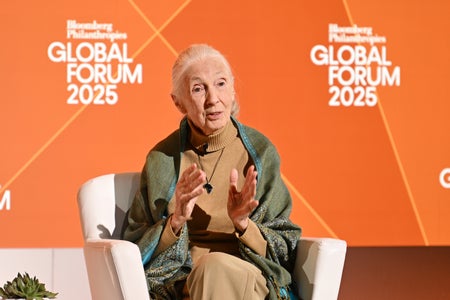
Jane Goodall, Trailblazing Primatologist and Chimpanzee Conservationist, Has Died
The anthropologist was famous for her pioneering research with chimpanzees and her influence on conservation


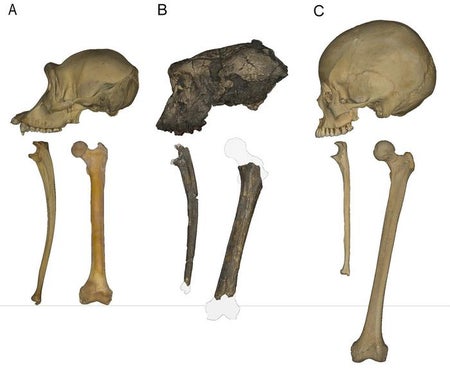
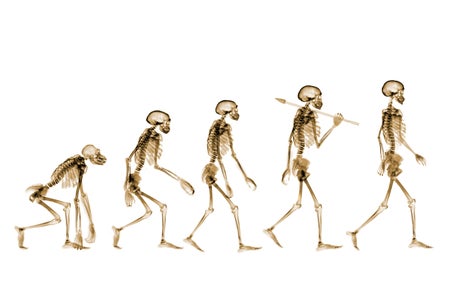
How Humans Became Upright: Key Changes to Our Pelvis Found
Genetic and anatomical data reveal how the human pelvis acquired its unique shape, enabling our ancestors to walk on two legs

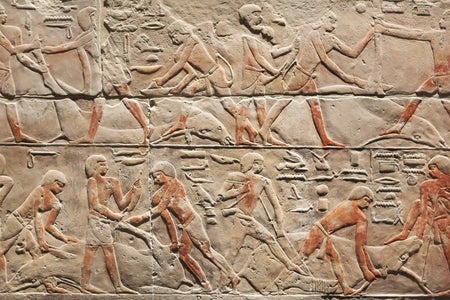
4,800-Year-Old Teeth Yield First Human Genome from Ancient Egypt
Forty years after the first effort to extract mummy DNA, researchers have finally generated a full genome sequence from an ancient Egyptian, who lived when the earliest pyramids were built

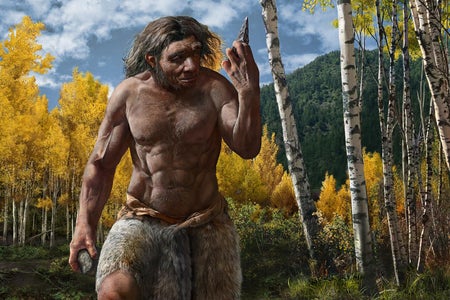
First Near-Complete Denisovan Skull Reveals What This Ancient Human Cousin Looked Like
A Denisovan skull has been identified for the first time. The find was based on proteins and calcified dental plaque

Ancient DNA Reveals Phoenicians’ Surprising Ancestry
Phoenician civilization spread its culture and alphabet across the Mediterranean but not, evidently, its DNA

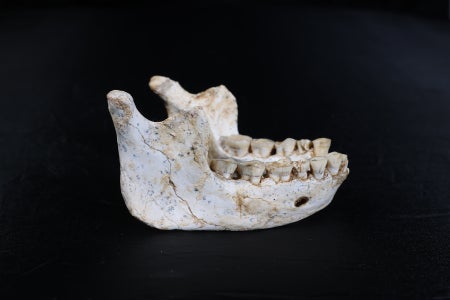
Denisovan Fossil Shows Enigmatic Human Cousins Lived from Siberia to Subtropics
The third confirmed location of extinct hominins known as Denisovans shows these human cousins adapted to an impressive range of environments

Ancient DNA Shows Stone Age Europeans Voyaged by Sea to Africa
Roughly 8,000-year-old remains unearthed from present-day Tunisia held a surprise: European hunter-gatherer ancestry

Why Some Brains Don’t Rot and Other Wild Things We Learned about the Human Body in 2024
From periods of rapid aging in our 40s and 60s to ancient brains that don’t decompose, here are some of the year’s most intriguing stories about human biology

When Did Neandertals and Humans Interbreed? Genomics Closes In on a Date
The oldest human genomes ever sequenced reveal that our Neandertal ancestry came from one “pulse” of interbreeding and pins down the timing

Some Brains Don’t Rot. Here’s Why
Misfolded proteins may preserve postmortem brains well after other tissues have decayed

Fossil Footprints Suggest Two Early Human Species Crossed Paths within Hours
Two sets of fossilized footprints from early human species were made within a few hours of each other about 1.5 million years ago, researchers suggest