
BooksSeptember 11, 2026
Can an AI chatbot replace human connection?
What do we lose when machines become our closest confidants?
Brianne Kane is books and culture lead at Scientific American. After honing her reviewing skills at BUST Magazine and Electric Literature, Kane quickly made her mark at Scientific American by launching the first-ever end-of-year compilation of its staff’s favorite books and spearheading its lists of best fiction and best nonfiction of the year.
Can an AI chatbot replace human connection?
What do we lose when machines become our closest confidants?
Can technology optimize companionship? A novelist imagines the extreme answer
Author Sarah Pierce explores dating apps, loneliness and human connection through a novel about a corpse-matching algorithm
Where are all the aliens? A new book explores possible answers
Seven Rasmussen, an astrobiologist and author of the new book Cloudy with a Chance of Starships, gives readers a tour of the astonishing science behind modern searches for alien life
Silicon Valley reads a lot of science fiction. It often gets it wrong
Historian Jill Lepore explains what tech leaders miss in their favorite stories—and why the fight over AI data centers may be where the machine stops
Chris Carter on The X-Files, a new Frankenstein and the science behind the paranormal
The creator of The X-Files discusses what Frankenstein elements are in the newly released director’s cut of The X-Files: I Want to Believe and how Mary Shelley’s classic influenced the movie’s story
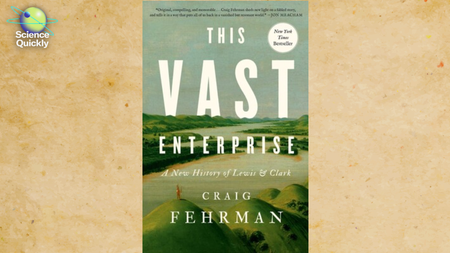
The untold science and drama of Lewis and Clark’s expedition
Historian Craig Fehrman unpacks the science, politics and human stories behind one of America’s most famous expeditions
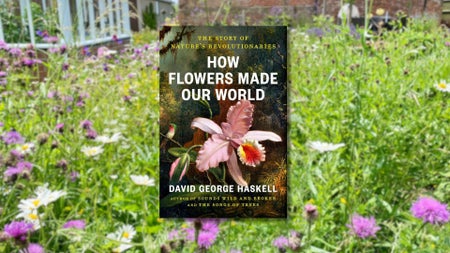
How flowers shaped the world as we know it
David Haskell brings readers through millions of years of botanical history for his latest book, How Flowers Made Our World
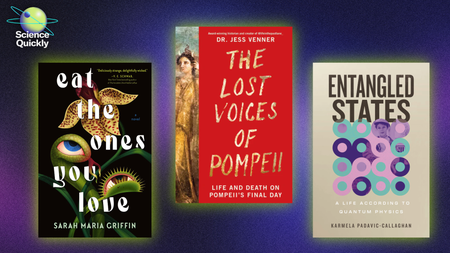
Sciencey summer books we love: Pompeii, quantum physics, and more
SciAm books editor Bri Kane shares her favorite science books for every summer mood
The science books our editors can’t stop recommending this summer
From ecohorror to science-inspired poetry, discover the books Scientific American staffers are recommending this summer
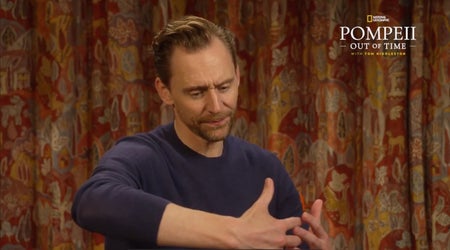
Tom Hiddleston on Pompeii, Mount Vesuvius and the human stories frozen in time
Actor Tom Hiddleston reflects on the first time he visited Pompeii as a teenager and explains why the ancient city’s preserved tragedy continues to shape his understanding of history and humanity
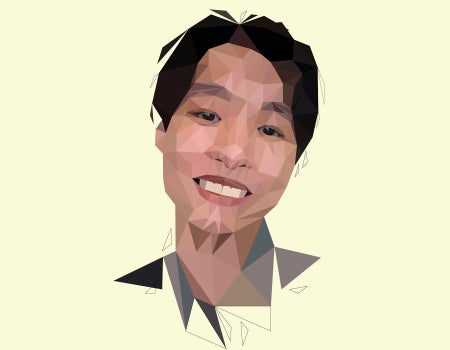
Lvmin Zhang
Developing artificial-intelligence systems to enhance digital art creation
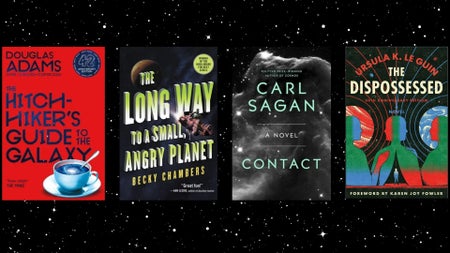
The alien stories Scientific American editors keep coming back to
The 24 alien books the Scientific American staff love, from The Hitchhiker’s Guide to the Galaxy to Contact and beyond
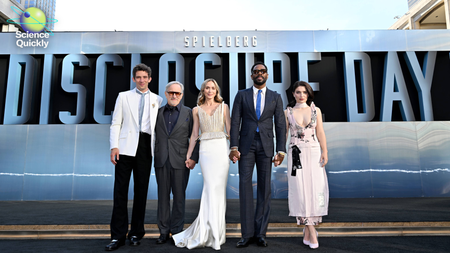
Disclosure Day raises a big question: How do you talk to aliens?
A linguist lays out what communicating with aliens could actually involve—and what that tells us about human language
Scientific American Summer Reading Challenge
Fill your bingo card with fascinating science stories, discoveries and ideas all summer long for a chance to win prizes
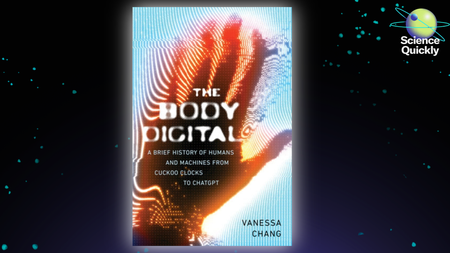
What our phones, playlists and AI companions reveal about being human
A new look at how everything from handwriting to AI quietly reshapes our bodies, habits and sense of connection
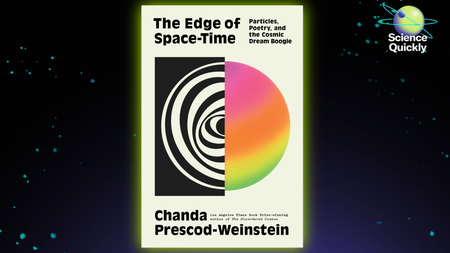
How Star Trek, Missy Elliott and queer theory help explain the deepest questions in physics
A physicist explores how poetry, pop culture and imagination help us understand spacetime and our place in the universe
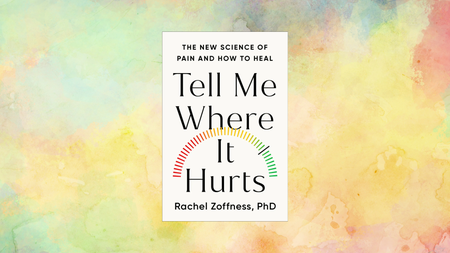
Chronic pain is not just in your head, but it is in your brain
Author Rachel Zoffness breaks down why we have chronic pain and how science shows that it’s all in our head
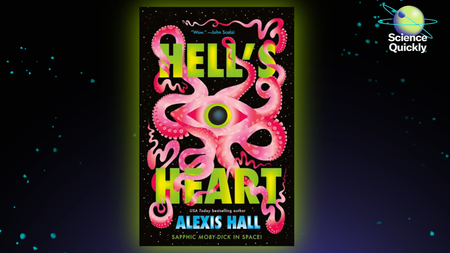
Alexis Hall talks space whales, AI and reinventing a classic
Alexis Hall reimagines Melville’s classic with space whales, AI intrigue and a bold queer twist that launches Moby-Dick into an entirely new sci‑fi universe
Andy Weir on Ryan Gosling, alien contact and the wild science of Project Hail Mary
The author of the novel Project Hail Mary breaks down aliens, anxiety and the process of bringing his story to the screen
How the Project Hail Mary directors brought science to the big screen
Project Hail Mary directors Christopher Miller and Phil Lord talk about astrobiology, optimistic science fiction, heist films and handsome scientists
Hoppers’ beaver expert shares the wild facts of these dam builders
How do scientists actually study beavers? How do beavers build dams? And what is “beaver butt juice”?
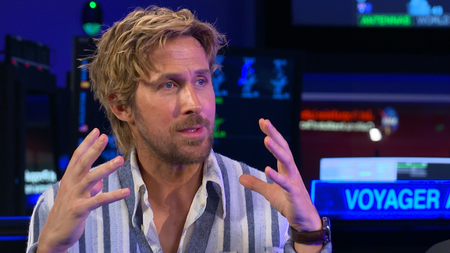
Ryan Gosling says Project Hail Mary is ‘a reminder of what we’re capable of’
Ryan Gosling plays a science teacher turned (reluctant) astronaut in the upcoming film adaptation of Project Hail Mary, a science fiction novel by author Andy Weir
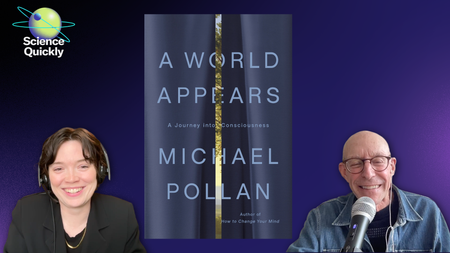
Michael Pollan on why consciousness is a mystery—and why protecting it matters
Michael Pollan dives into the scientific and philosophical puzzles of consciousness, from brain biology to AI and beyond

8 romance novels for readers who love science, too
Scientific American’s staff recommends eight books that are as full of science as they are of love