FitnessMarch 1, 2018
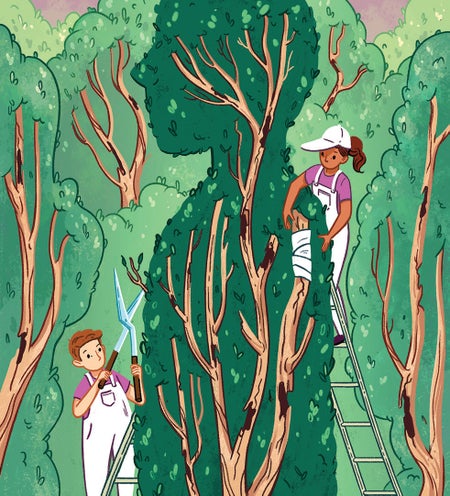
Osteoporosis: An Avoidable Crisis
Bone fractures are rife after age 50, so why aren’t we doing more to prevent them?
Claudia Wallis is an award-winning science journalist whose work has appeared in the New York Times, Time, Fortune and the New Republic. She was science editor at Time and managing editor of Scientific American Mind.
Osteoporosis: An Avoidable Crisis
Bone fractures are rife after age 50, so why aren’t we doing more to prevent them?

Talking with—Not Just to—Kids Powers How They Learn Language
Back-and-forth exchanges build the brain’s language center and verbal ability
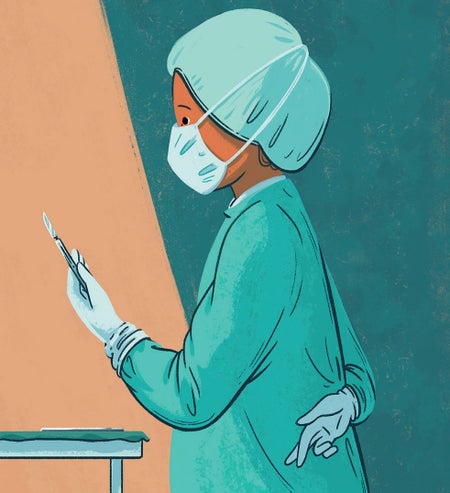
How Fake Surgery Exposes Useless Treatments
It can reveal whether popular operations are actually effective
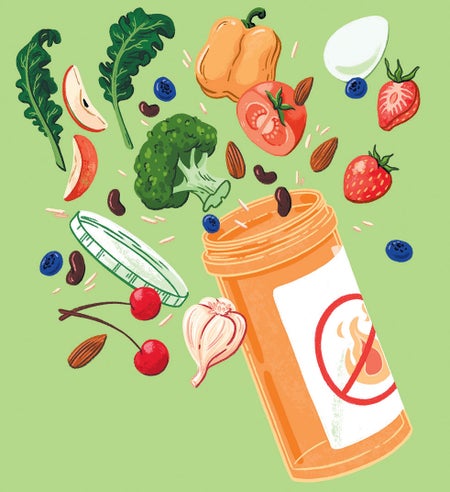
The Messy Facts about Diet and Inflammation
Can certain foods really help you fight heart disease, arthritis and dementia?
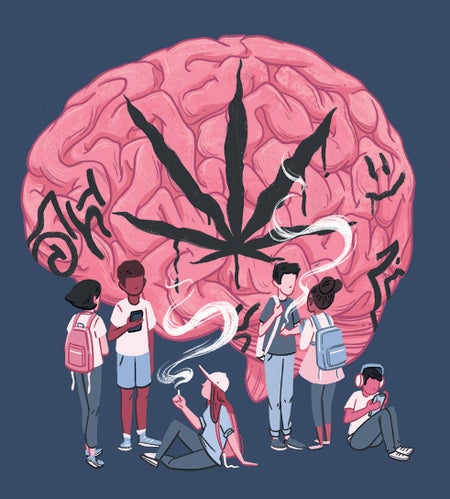
What Pot Really Does to the Teen Brain
How much should we worry?
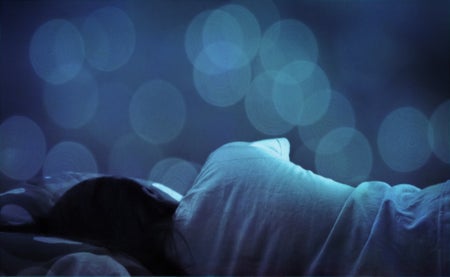
How to Get Children with Autism to Sleep
Poor-quality sleep may heighten behaviors including hyperactivity, compulsions and aggressiveness
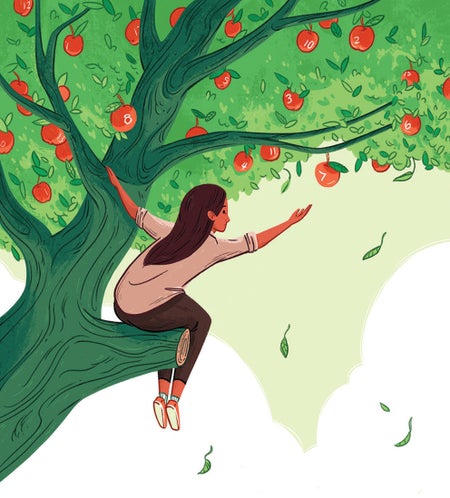
Strict Targets for Cholesterol, Blood Pressure, and More Don't Always Make Sense
Doctors shift toward personalized goals for glucose, cholesterol, and more
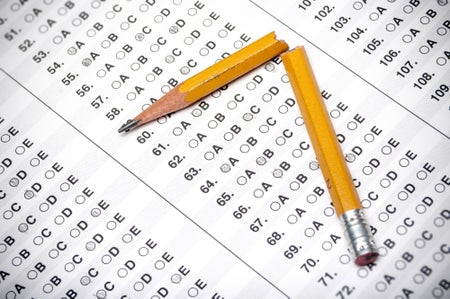
Is the U.S. Education System Producing a Society of “Smart Fools”?
One distinguished psychologist explains why he believes this is so and how to reverse course

Treating Pain, the Bonds of Laughter and Restoring Mobility
A look inside the May/June issue of Scientific American Mind
Little Learners, Trump’s Appeal and Brain Soup
A look inside the March/April issue of Scientific American Mind
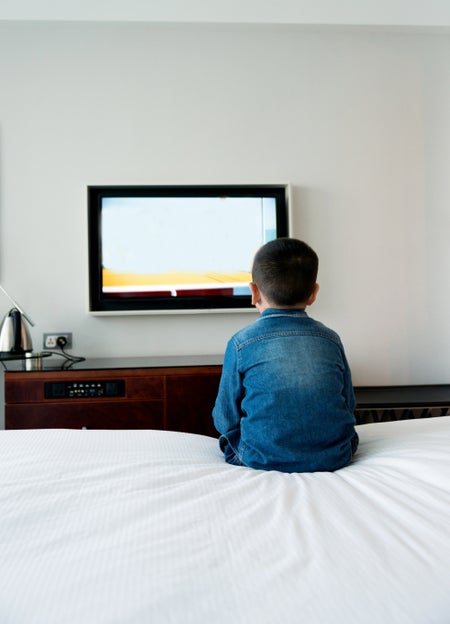
An Oscar-Nominated Film Inspires a New Approach to Autism
The obsessive interests that consume many kids on the spectrum may turn out to be pathways to growth

From the Magic of Exercise to the Mind of an Octopus
A look inside the January/February issue of Scientific American Mind

Trump's Victory and the Politics of Resentment
A political scientist’s research explains a lot about why true-blue Wisconsin turned red in 2016, and about the mood of rural and small town America
Caregiving, Stress and Beauty Shots of the Brain
A look inside the new issue of Scientific American Mind

Work Smarter, Vote Wiser, Sleep Better
A look inside the new issue of Scientific American Mind

Of Psychopaths and Presidential Candidates
An analysis in the current Scientific American MIND shows where some of this year's aspirants rank on a standard assessment of psychopathic traits—and the results are interesting, to say the least
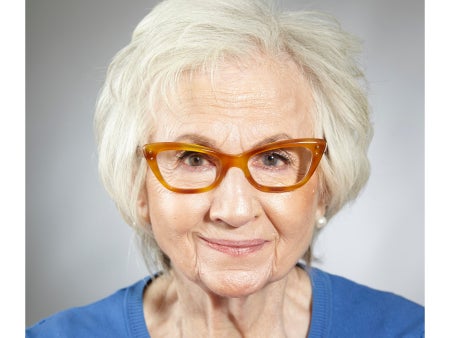
From the Editor: Of Sound Mind and Body
Inside the July/August 2016 issue of Scientific American Mind
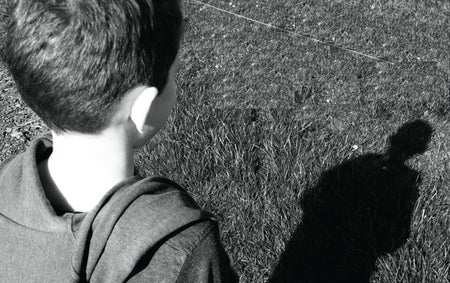
Extreme Shyness Can Be Overcome
That boy who never speaks in class? Chances are he has an anxiety disorder called selective mutism that demands the one thing he dreads the most: attention

From the Editor: Foes and Friends
Inside the May/June 2016 Scientific American MIND
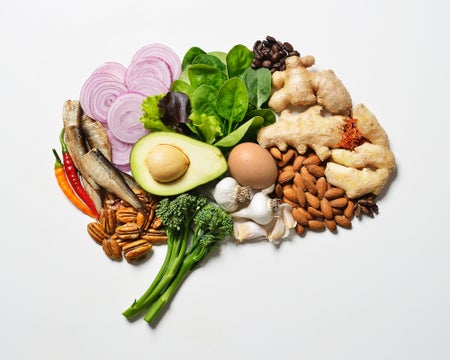
From the Editor: Telltale Patterns
Inside the March/April 2016 Scientific American MIND

From the Editor: Gender and Matters of Identity
Inside the January/February 2016 Scientific American MIND

A World of What-Ifs
Managing Editor Claudia Wallis introduces the November/December 2015 issue of Scientific American MIND

Timing Is Everything
Managing Editor Claudia Wallis introduces the September/October 2015 issue of Scientific American MIND
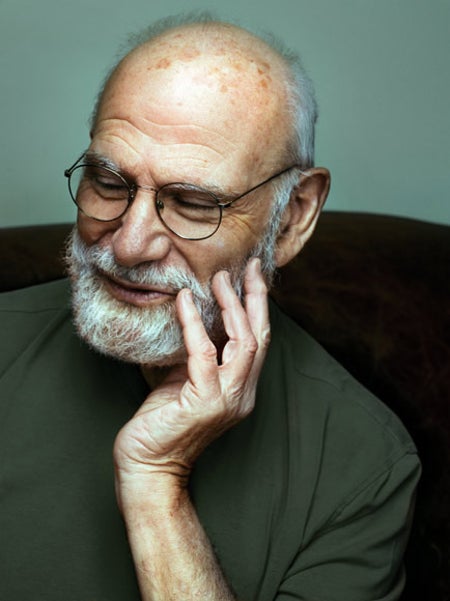
Oliver Sacks, Who Depicted Brain-Disorder Sufferers' Humanity, Dies
The prolific author–neurologist gave the world empathetic insights into disorders of the brain while also inspiring films, plays, an opera and likely many careers in medicine and brain science