HealthNovember 13, 2015
Unsupervised, Mobile and Wireless Brain–Computer Interfaces on the Horizon
Researchers are working to engineer practical devices that patients can use in their homes
Diana Kwon is a freelance journalist who covers health and the life sciences. She is based in Berlin.
Unsupervised, Mobile and Wireless Brain–Computer Interfaces on the Horizon
Researchers are working to engineer practical devices that patients can use in their homes

Brain Rhythms Sync to Musical Beat
The human brain's neurons fire in sync to music, and trained musicians are better at it than are amateurs
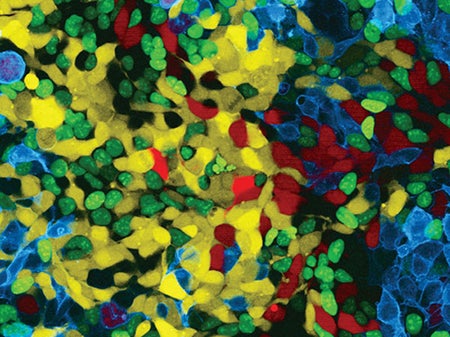
The Brainbow Connection: Viewing Nerve Cells in Living Color
A colorful technique is shedding light on the function and development of neural circuits

One Woman's Ability to Sniff Out Parkinson's Offers Hope to Sufferers
A musky odor may lead to new diagnostic tools for the neurodegenerative disease
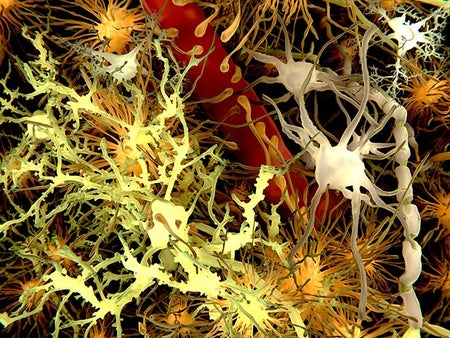
Rise of the Microglia
New research shows that the resident immune cells of the brain are involved in both development and disease

Are Europeans Better Than Americans at Forecasting Storms?
European and U.S. models frequently make different predictions about weather and storm tracks, including that of Hurricane Joaquin. Here’s why

Melatonin Linked to Seasonal Relapses of Multiple Sclerosis
A hormone involved in circadian rhythms could provide treatment for the autoimmune disease
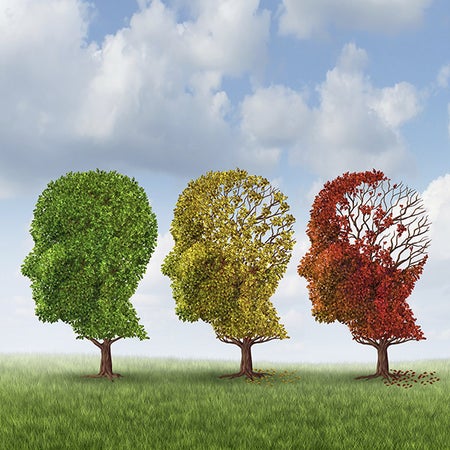
Evidence for Person-to-Person Transmission of Alzheimer's Pathology
Study raises question about whether proteins implicated in the disease are capable of spreading through medical procedures

Scientific American Soiree Celebrates 170 Years of Science Communication
The event featured historical artifacts from the magazine’s long history as well as a presentation by Editor in Chief Mariette DiChristina
Size Matters When It Comes to Cells' Vulnerability to Parkinson's
Neurons involved in Parkinson’s disease are especially susceptible to burnout because of their complex branching

Deep Voice Gives Politicians Electoral Boost
Two new studies find that a deeper voice gives a politican an edge over a higher-pitched opponent

What Are You Doing with My DNA?
The play “Informed Consent” explores deep ethical questions in genetics research
Bonobo Peeps May Be Necessary Language Precursors
Animal communication studies have shown only fixed vocalizations, such as alarm cries. But Bonobo chimps appear to have a call that has different meanings in different contexts

What Is Your Most Significant "What If...?" Moment?
Share some details from one of your most fateful experiences and your story could appear in Scientific American MIND

Poverty Disturbs Children's Brain Development and Academic Performance
Delayed brain development predicts lower tests scores in low-income children

Small Distractions Can Have Big Consequences
A new study reveals that distractions divert our attention in different ways
Estrogen's Role in Impulsive Behavior
Would you rather have $50 now or $100 two weeks from now? Even though the $100 is obviously the better choice, many people will opt for the $50.