The SciencesOctober 1, 2010
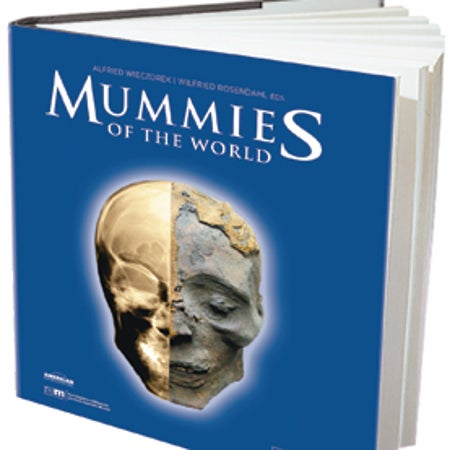
Recommended: Mummies of the World
Books and recommendations from Scientific American
Kate Wong is an award-winning science writer and senior editor for features at Scientific American, where she has focused on evolution, ecology, anthropology, archaeology, paleontology and animal behavior. She is fascinated by human origins, which she has covered for nearly 30 years. Recently she has become obsessed with birds. Her reporting has taken her to caves in France and Croatia that Neandertals once called home to the shores of Kenya’s Lake Turkana in search of the oldest stone tools in the world, as well as to Madagascar on an expedition to unearth ancient mammals and dinosaurs, the icy waters of Antarctica, where humpback whales feast on krill, and a “Big Day” race around the state of Connecticut to find as many bird species as possible in 24 hours. Wong is co-author, with Donald Johanson, of Lucy’s Legacy: The Quest for Human Origins. She holds a bachelor of science degree in biological anthropology and zoology from the University of Michigan. Follow her on Bluesky @katewong.bsky.social
Recommended: Mummies of the World
Books and recommendations from Scientific American
The First Butchers
Hominids have been cutting their steak for much longer than anybody thought

Recommended: The 50 Most Extreme Places in Our Solar System
Books and recommendations from Scientific American
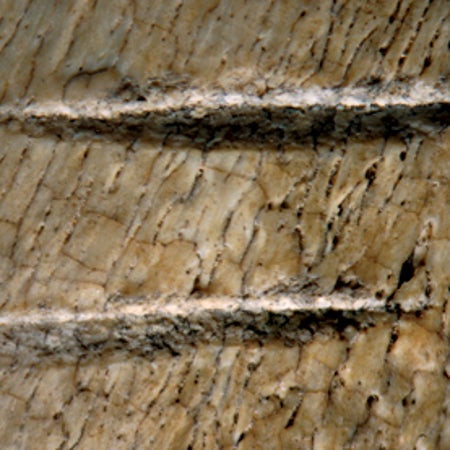
Ancient Cut Marks Reveal Far Earlier Origin of Butchery
Bones from two animals dating to nearly 3.4 million years ago suggest that early humans were butchering meat nearly one million years earlier than previous evidence suggested--and they weren't even in our genus
Recommended: The Changing Arctic Landscape
Books and recommendations from Scientific American
Our Inner Neandertal
Genome analysis indicates Neandertals and modern humans interbred
Recommended: Bulletproof Feathers: How Science Uses Nature's Secrets to Design Cutting-Edge Technology
Books and recommendations from Scientific American
Recommended: Adventures among Ants: A Global Safari with a Cast of Trillions
Books and recommendations from Scientific American
Fossils Of Our Family
A new human species is identified, but does it belong on the line leading to Homo sapiens?
Neandertal Genome Study Reveals That We Have a Little Caveman in Us
The sequence shows that Neandertals and modern humans interbred, and that their DNA persists in us
Recommended: The Encyclopedia of Weather and Climate Change: A Complete Visual Guide
Books and recommendations from Scientific American
Your (Very) Extended Family History [Slide Show]
A new exhibit reveals the skeletons in everyone's closet
Discoverer of "Lucy" raises questions about Australopithecus sediba, the new human species from South Africa
Spectacular South African Skeletons Reveal New Species from Murky Period of Human Evolution
The discoverers argue that the nearly two-million-year-old fossils could be ancestral to us--but other scientists are not so sure
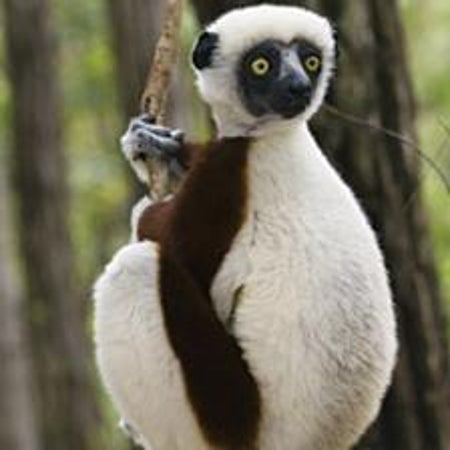
Swept Away: New Modeling Buoys Raft Theory for Origin of Madagascar's Mammals
Millions of years ago, it was possible to drift from Africa on vegetation set loose by storms
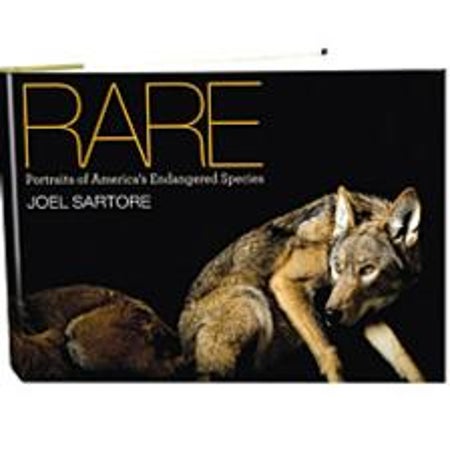
Recommended: Rare: Portraits of America's Endangered Species
Books and recommendations from Scientific American
No Bones about It: Ancient DNA from Siberia Hints at Previously Unknown Human Relative
For the first time, researchers describe a new type of human ancestor on the basis of DNA rather than anatomy
Engraved Ostrich Eggshell Fragments Reveal 60,000-Year-Old Graphic Design Tradition
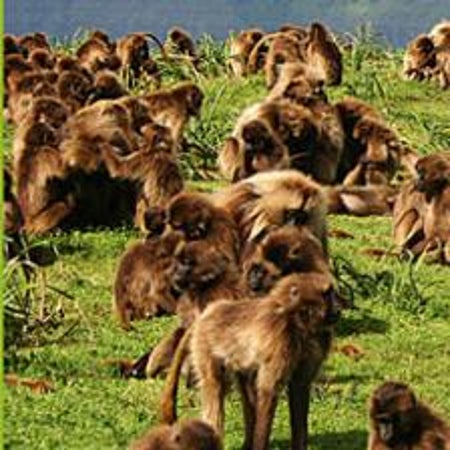
Recommended: Amazing Animals... And More
Books and recommendations from Scientific American
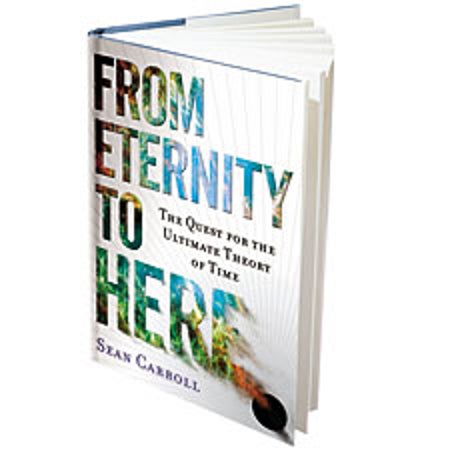
Recommended: Gems and Gemstones
Books and recommendations from Scientific American
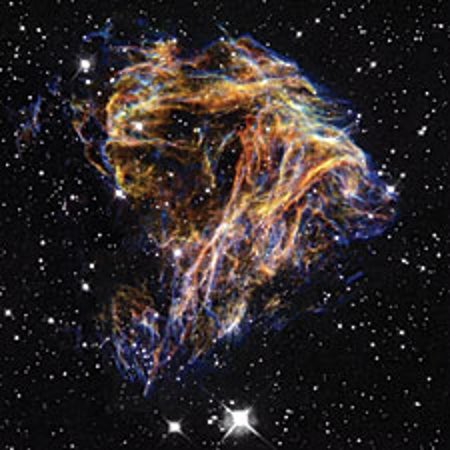
Recommended: Secrets of the Universe: How We Discovered the Cosmos
Books and recommendations from Scientific American
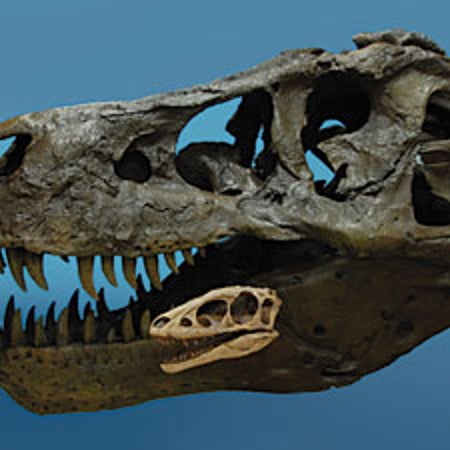
Tiny tyrannosaurs rewrite evolutionary rules
Dainty relatives of T. rex force a rethinking of the origins of this dinosaur
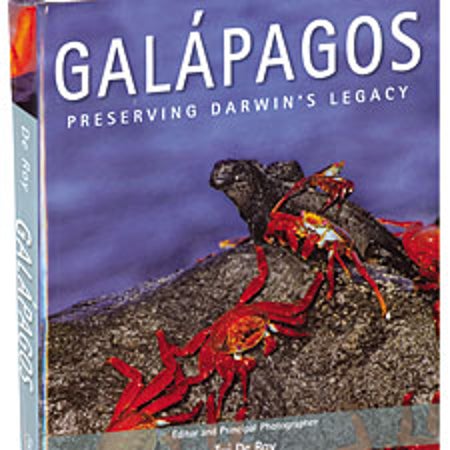
Recommended: Science Coffee Table Book Holiday Gift Ideas
Books and recommendations from Scientific American
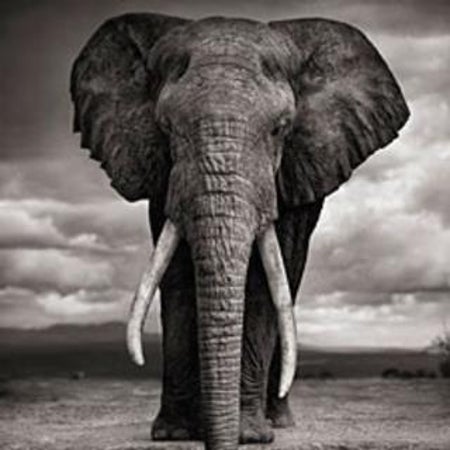
Recommended: A Shadow Falls
Scientific American recommendations on nuclear proliferation and ancient alcohol