
BiologyJune 16, 2026
Christina V. Theodoris
Creating artificial-intelligence models to find treatments for cardiac diseases
Lauren J. Young is a science journalist and multimedia producer based in New York City. She was formerly associate editor for health and medicine at Scientific American and has edited and written stories that tackle a wide range of subjects, including the COVID pandemic, emerging diseases, evolutionary biology and health inequities. Young has nearly a decade of newsroom and science journalism experience. Before joining Scientific American in 2023, she was an associate editor at Popular Science and a digital producer at public radio’s Science Friday. She has appeared as a guest on radio shows, podcasts and stage events. Young has also spoken on panels for the Asian American Journalists Association, American Library Association, NOVA Science Studio and the New York Botanical Garden. Her work has appeared in Scholastic MATH, School Library Journal, IEEE Spectrum, Atlas Obscura and Smithsonian Magazine. Young studied biology at California Polytechnic State University, San Luis Obispo, before pursuing a master’s at New York University’s Science, Health & Environmental Reporting Program.
Christina V. Theodoris
Creating artificial-intelligence models to find treatments for cardiac diseases

The World Cup could be a petri dish for disease. Wastewater could sound the alarm
As millions of soccer fans pack FIFA World Cup venues, public health scientists created a wastewater monitoring network to forecast potential disease threats—from measles to Ebola
U.S. gets a new sunscreen ingredient after 27 years—here’s how it works
Dermatologists and skincare aficionados are excited for the U.S. to finally get a new, more protective sunscreen filter after more than 20 years of regulatory roadblocks. Here’s how bemotrizinol works

World Cup kicks off amid outbreak tracking as Mars mission ends and AI fights heat up
World Cup crowds spark outbreak tracking as AI tensions rise and ancient Rome’s roads get a stunning reboot

How breast cancer screening can predict heart disease risk
AI analysis of mammograms could provide a “bonus finding” for heart disease
Why hantavirus takes so long to show symptoms and what that means for containment
People exposed to the Andes strain of the hantavirus may not develop symptoms for up to 42 days, a delay that makes tracing infections more difficult
How a vision-restoring gene therapy proved that we can treat inherited diseases
Three 2026 Breakthrough Prize winners reflect on developing Luxturna, a gene therapy that treats blindness caused by rare inherited eye diseases
Ozempic’s greatest benefit might be its anti-inflammatory power
A growing body of research suggests that GLP-1 drugs do more than control appetite and blood sugar. They could also fight inflammation
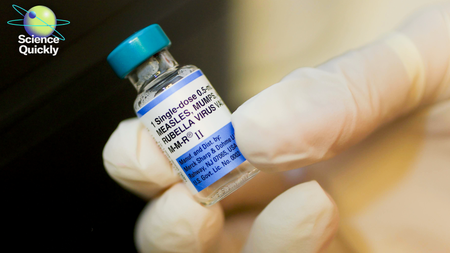
Experts warn that communities underestimate measles’ danger
A sharp rise in U.S. measles cases is linked to falling MMR vaccination rates and growing immunity gaps

RFK, Jr., and EPA announce plan to track microplastics in tap water and humans
The Department of Health and Human Services and the Environmental Protection Agency announced a joint effort to track microplastics in drinking water—but experts say doing so will be difficult

The weight-loss drug rivalry heats up as another GLP-1 pill gains FDA approval
This week the U.S. Food and Drug Administration approved a second GLP-1 pill for weight loss. The drug, called Foundayo, resulted in an average of 27 pounds lost in 72 weeks
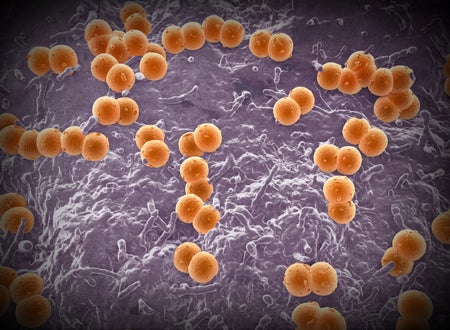
U.K.’s deadly meningitis outbreak shows importance of vaccination
Infectious disease experts say shots against meningococcal meningitis can be lifesaving during an outbreak, but U.S. regulators have attempted to roll back recommendations of such a vaccine for children
Weight loss was just the beginning: How the GLP-1 story is evolving
“Imitation” drugs, unexpected benefits, serious pitfalls—here’s what comes next as GLP-1 medications continue to rise in popularity
What are the best foods for a hangover, scientifically?
There’s no bulletproof remedy for a hangover, but a nutrition scientist explains which foods could aid symptoms after one has had too much to drink
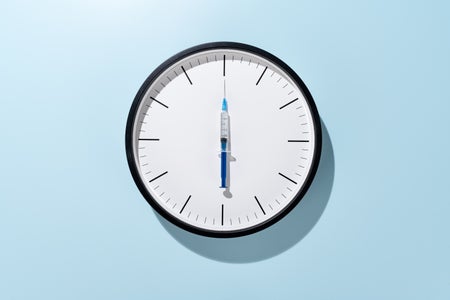
The case for timing medical treatments to daily circadian rhythms
A growing field of research suggests that some medical treatments, such as cancer therapy or vaccines, might be more effective when given at certain times of the day

Measles outbreak erupts in one of U.S.’s largest ICE detention centers
Camp East Montana, one of the largest immigration detention facilities in the U.S., has reported 14 confirmed measles infections, triggering the El Paso center to close to visitors

Heart attacks are killing more young people—and more women
A new study finds that heart attack deaths in U.S. hospitals are rising in people aged 54 and below, signaling a shift in cardiovascular issues in younger ages

People who took GLP-1 drugs had lower risk of all kinds of drug and alcohol addiction
A large epidemiological study of more than 600,000 veterans with diabetes suggests GLP-1 weight-loss medications may reduce drug- and alcohol-related overdoses and deaths
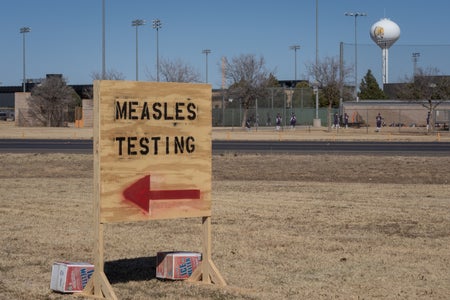
The U.S. just surpassed a grim measles milestone
As the U.S. officially breaks 1,000 measles cases in 2026, experts say that the rate of infections is accelerating much faster this year than it did in years past
Head-to-head trial pitting Eli Lilly’s oral GLP-1 against oral semaglutide underscores efficacy of weight-loss pills
A new trial found that Eli Lilly’s GLP-1 pill resulted in greater reductions in blood sugar levels and weight than oral semaglutide did, but fewer people stayed on it
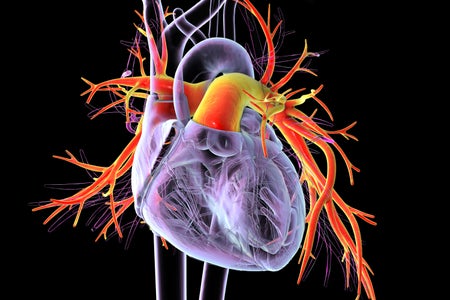
Heart disease in young women projected to rise sharply by 2050
A new projection study estimates that nearly a third of women aged 20 to 44 will have been diagnosed with a cardiovascular disease by 2050
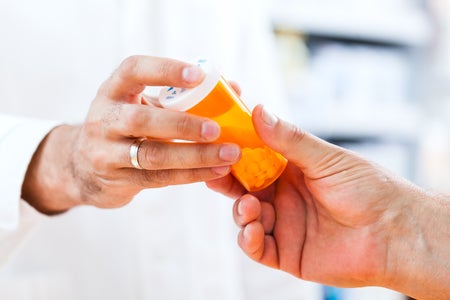
What if most medications were sold over the counter?
The FDA is reportedly considering broadening the types of drugs that can be sold without a prescription, a move some pharmacy experts say could raise safety risks
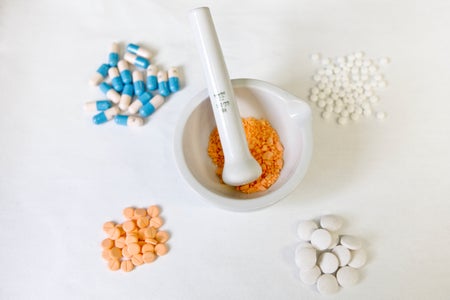
Compound weight-loss drugs are everywhere. The FDA is cracking down
The recent withdrawal of Hims & Hers’ GLP-1 pill raises questions about the safety and effectiveness of compounded medications

Obesity increases risk of severe infections, study finds
A new study suggests that people with obesity have higher rates of mortality and hospitalization from a variety of infections from viruses, fungi, parasites and bacteria