
EnvironmentJune 1, 2009
Old Circuit Boards Hit the Road
Mark Fischetti was a senior editor at Scientific American for nearly 20 years and covered sustainability issues, including climate, environment, energy, and more. He assigned and edited feature articles and news by journalists and scientists and also wrote in those formats. He was founding managing editor of two spin-off magazines: Scientific American Mind and Scientific American Earth 3.0. His 2001 article “Drowning New Orleans” predicted the widespread disaster that a storm like Hurricane Katrina would impose on the city. Fischetti has written as a freelancer for the New York Times, Sports Illustrated, Smithsonian and many other outlets. He co-authored the book Weaving the Web with Tim Berners-Lee, inventor of the World Wide Web, which tells the real story of how the Web was created. He also co-authored The New Killer Diseases with microbiologist Elinor Levy. Fischetti has a physics degree and has twice served as Attaway Fellow in Civic Culture at Centenary College of Louisiana, which awarded him an honorary doctorate. In 2021 he received the American Geophysical Union’s Robert C. Cowen Award for Sustained Achievement in Science Journalism. He has appeared on NBC’s Meet the Press, CNN, the History Channel, NPR News and many radio stations.
Old Circuit Boards Hit the Road
Facts about the Web's Creation
Everything you ever wanted to know about the Web's first days
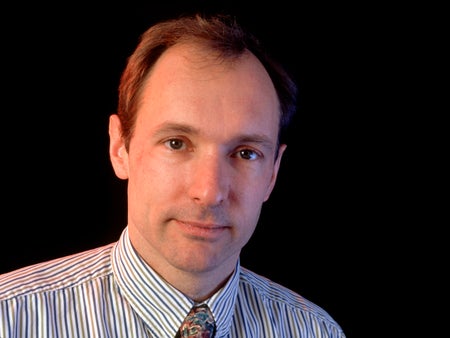
The Mind Behind the Web
Tim Berners-Lee invented the World Wide Web and continues to shape its frantic evolution. He's neither rich nor famous, which is fine by him
A report from the M.I.T. Energy Conference: The future of clean energy is... coal?
Green Role Model: Boston's Macallen Building
This condominium complex puts a new slant on urban development
Don't Stop Now
4 Technologies to Protect Our Food Supply
Tracking packages and food sources would lead to faster recalls and lessen contamination risks
Is Your Food Contaminated?
New approaches are needed to protect the food supply
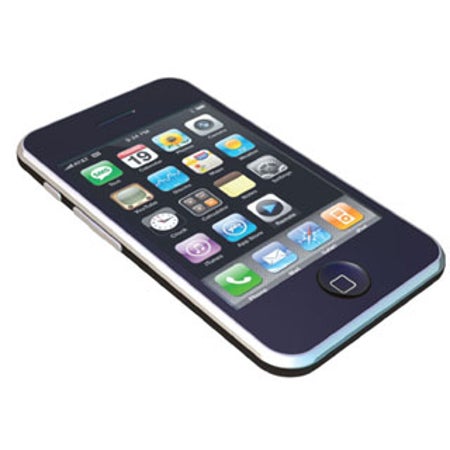
Touch Screens Redefine the Market—Working Knowledge on Smart Phones
Taking apart the Apple iPhone and the BlackBerry Storm
New Designs Going Up—Working Knowledge on Elevators
A look inside the complex machine that moves people up and down floors
Unselling Bottled Water
Singing in the Rain (Forest)
In May 2009 the Rainforest Foundation will celebrate 20 years of protecting the tropics
Where on Earth You Are--Working Knowledge on Global Positioning System
How handheld global positioning system devices can determine your position on Earth--even when indoors

Aggressive Optimism: Environmental Challenges Facing the New President
Letter from Scientific American Earth 3.0 Managing Editor Mark Fischetti
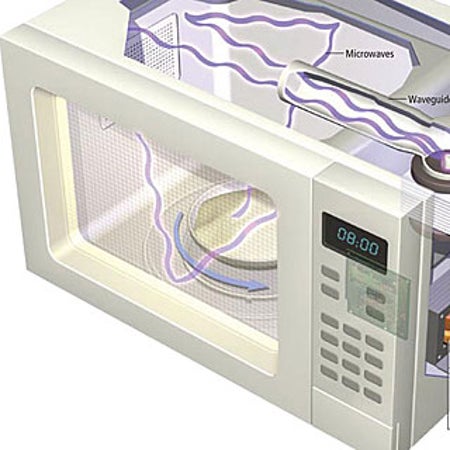
Dinner and a Show--Working Knowledge on Microwave Ovens
The science behind nuking that TV dinner
Working Knowledge: Voting Machines—Competing Candidates
Taking apart the various voting machines used in the U.S.
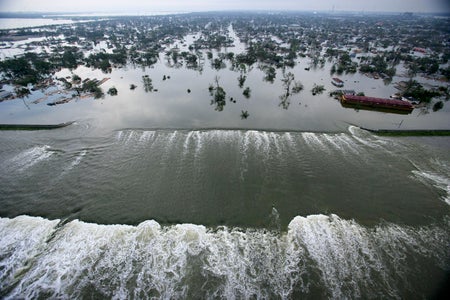
Drowning New Orleans
In a harrowing prediction of what would become the future, this 2001 feature notes that a major hurricane could swamp New Orleans under 20 feet of water, killing thousands
Dry Dyes--Working Knowledge on Instant Photo Developing
Taking apart the digital photo printer
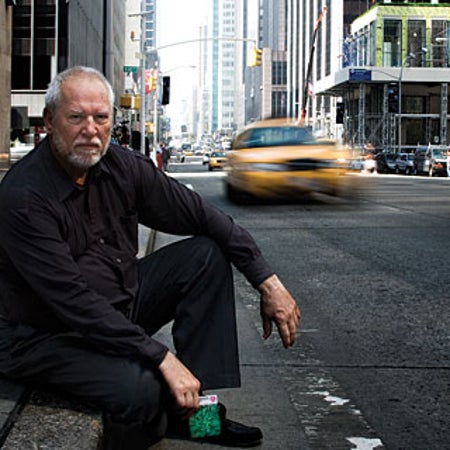
Growing Vertical: Skyscraper Farming
Cultivating crops in downtown skyscrapers might save bushels of energy and provide city dwellers with distinctively fresh food
Working Knowledge: Warming and Cooling—Home Heat Pumps

Working Knowledge: Cruise Ships—Nimble Skyscrapers at Sea
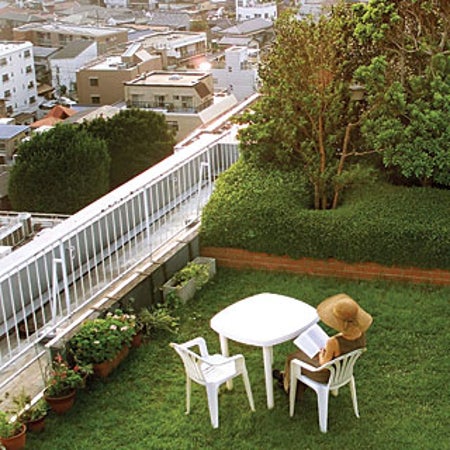
Working Knowledge: Green Roofs—Living Cover
How Do Green Roofs Work?
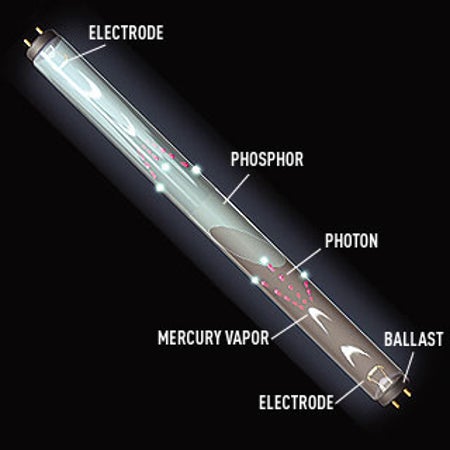
Working Knowledge: Compact Fluorescent Lightbulbs—The Switch Is On

Working Knowledge: Blue Screens—Leap of Faith