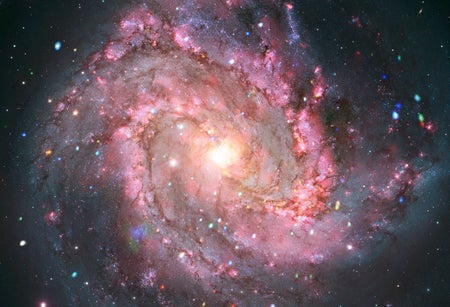
AstrophysicsJune 16, 2026
NASA data reveals weird x-ray changes in the exploded ruins of dead stars
This sparkling galaxy is home to a set of supernova remnants that showed variable brightnesses over 14 years of data
Marta Hill was the spring 2026 multimedia intern at Scientific American. Her work has appeared in Smithsonian Magazine, The Transmitter, Eos and elsewhere.
NASA data reveals weird x-ray changes in the exploded ruins of dead stars
This sparkling galaxy is home to a set of supernova remnants that showed variable brightnesses over 14 years of data
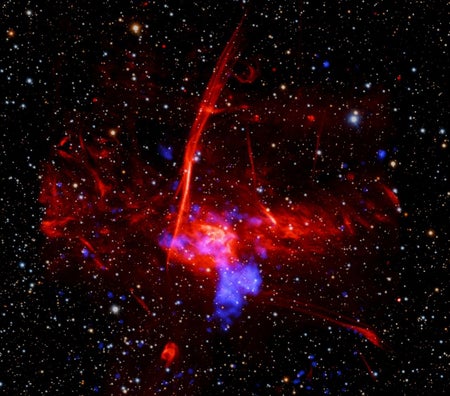
NASA spots the possible remains of a massive supernova in the middle of the Milky Way
If the supernova remnant is confirmed, it would be one of the closest to the supermassive black hole that lies in the center of the Milky Way
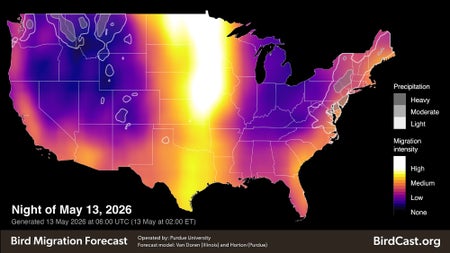
Radar picks up on bird migration. But how do we tell birds and storms apart?
Flock shape, speed and structure are key in deciphering whether radar readouts are birds, bats, insects or weather

Andy Weir on Ryan Gosling, alien contact and the wild science of Project Hail Mary
The author of the novel Project Hail Mary breaks down aliens, anxiety and the process of bringing his story to the screen
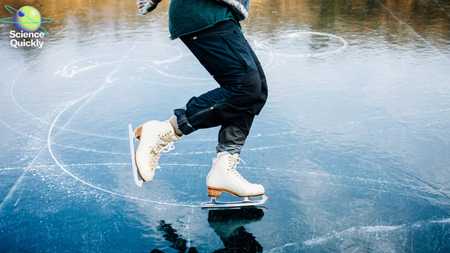
We all know ice is slippery. The physics behind it is more complex than you’d think
The reason we slip and slide on ice—a phenomenon central to figure skating, curling and other Winter Olympic events—is a centuries-old physics mystery that may have finally been cracked
Horses Can Smell Your Fear, Bizarre Sweat Study Finds
Horses that were presented with cotton pads soaked in a scared human’s sweat showed more signs of fear themselves