
AnimalsDecember 18, 2023
Lost ‘Woolly Dog’ Genetics Highlight Indigenous Science
“Woolly dogs” that were kept by the Coast Salish peoples are now extinct, but researchers were able to see their importance written in the genome of the only known pelt
Lost ‘Woolly Dog’ Genetics Highlight Indigenous Science
“Woolly dogs” that were kept by the Coast Salish peoples are now extinct, but researchers were able to see their importance written in the genome of the only known pelt
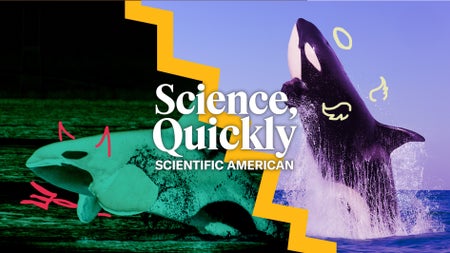
Are Orcas Friends or Foes?
The stories we tell about orcas might say more about us than about them


Cats Play Fetch, Too—But Only on Their Own Terms
Retrieving isn’t just for dogs, but the emerging science of cat play can’t fully explain the feline phenomenon

Dog ‘Language Geniuses’ Are Rare but Apparently Real
A subset of exceptional pooches can identify by name more than 100 different objects, mostly toys
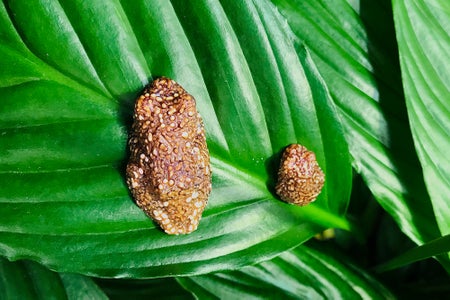
This Flying Frog Spends Its Youth Masquerading as Poop
These froglets disguise themselves as feces to gross out potential predators until they’re old enough to glide through jungle canopies
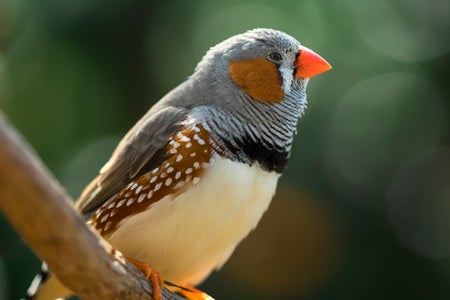
Male Songbirds Need Daily Vocal Practice to Woo Females
Birds might sing in the morning because they need a vocal workout

Subterranean ‘Microbial Dark Matter’ Reveals a Strange Dichotomy
The genes of microbes living as deep as 1.5 kilometers below the surface reveal a split between minimalist and maximalist lifestyles
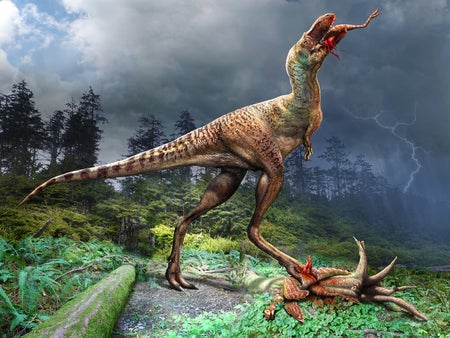
Tyrannosaur’s Stomach Contents Have Been Found for the First Time
The fossilized stomach contents of a tyrannosaur have been found for the first time, revealing what the fearsome predator ate
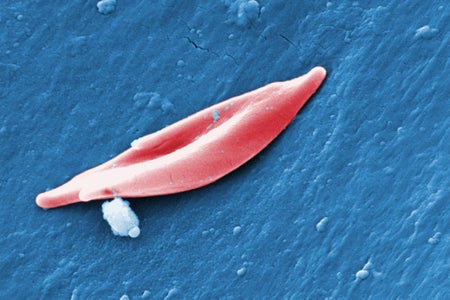
FDA Approves First CRISPR Gene Editing Treatment for Sickle Cell Disease
Most people with sickle cell disease who received a new gene editing treatment saw their pain resolve for at least one year, but longer follow up is needed
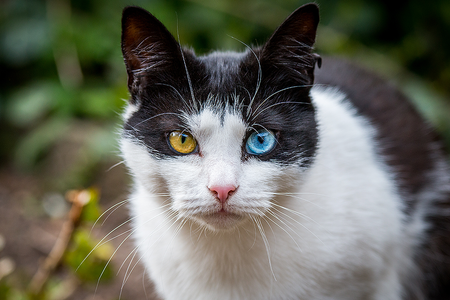
Cats Can Hide Their Pain—But Not from AI
Machine-learning software gets behind the inscrutable feline face and may improve pet care
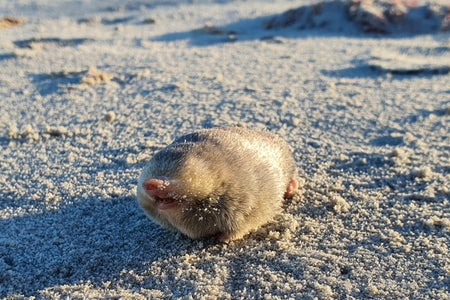
Golden Mole That Swims through Sand Rediscovered after 86 Years
The iridescent, blind De Winton’s golden mole was last seen in 1937 and later declared officially lost. But scientists have since rediscovered it by tracking its environmental DNA
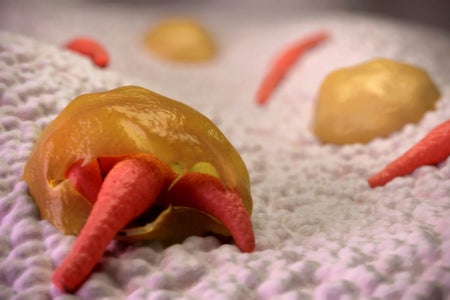
U.S. Drinking-Water Systems Still Haven’t Defeated This Nasty Parasite
The U.S.’s largest-ever outbreak of waterborne illness—cryptosporidiosis—hit Milwaukee 30 years ago. Why are many other water systems still vulnerable to the same parasite today?