BiologySeptember 11, 2026
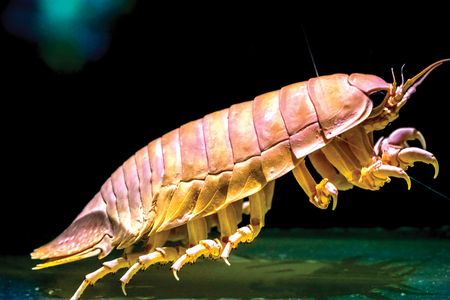
Giant armored crustaceans survive thanks to a gene stolen from bacteria
Scientists have long wondered how these bizarre creatures endured for years without food—now they’ve found out why
Giant armored crustaceans survive thanks to a gene stolen from bacteria
Scientists have long wondered how these bizarre creatures endured for years without food—now they’ve found out why

New Google DeepMind atlas could transform our understanding of genetic diseases
AlphaGenome Atlas predicts the effect of any single change in the fundamental structure of DNA

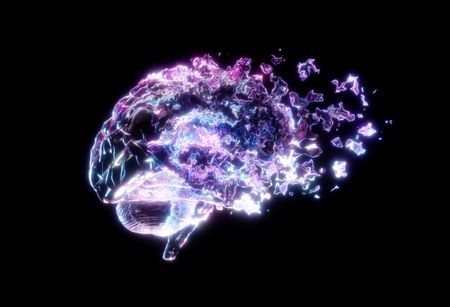
New brain scan tool could help expose a devastating and incurable genetic condition
Huntington’s disease is an inherited condition that gradually robs people of their ability to move, speak and even think clearly—there is no cure
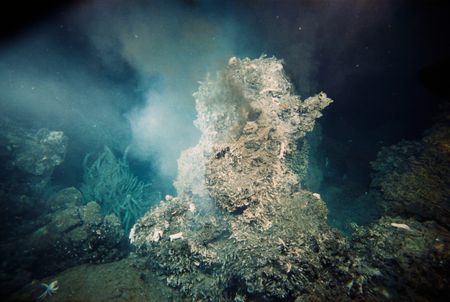
Life’s ‘last universal common ancestor’ may predate life itself
A groundbreaking study hints at a hazy boundary between “life” and “non-life,” as well as two distinct origins of biology on Earth

Humans’ sense of smell is still evolving
A genetic study shows how smell capabilities were maintained in a hunter-gatherer population
Scientists discover a ‘skinny gene’ mutation that acts like Ozempic
One in 7,000 people carry this gene mutation

Chilean mummies reveal a lost lineage of smallpox
Centuries-old DNA that was found in these mummies belongs to an extinct viral lineage of smallpox that was brought across the Atlantic during European colonization of the Americas

Everyone alive may carry DNA from a ‘ghost lineage’ of human ancestors
Scientists analyzing modern genomes may have found a long-lost branch of the human family tree

Avocado flowers switch sex daily—now we know why
New work explains how avocado trees coordinate a complex reproductive strategy, switching every day between male and female

Mikhail Kolmogorov
Developing software to reveal large genetic changes that lead to cancer

Cynthia Kenyon
The noted aging researcher talks about how scientists are like birds
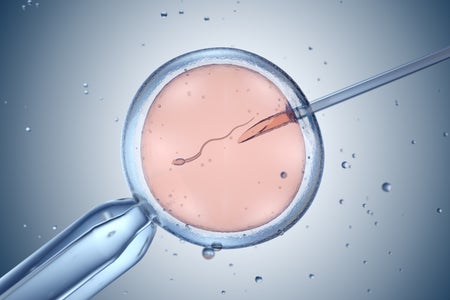
Report of gene-edited human embryos sparks worries about the technology’s future uses
Eight years after a Chinese scientist's report of gene-edited babies shocked the world, U.S. scientists reported editing embryos not meant for pregnancies using a more precise technique