ChemistryAugust 16, 2016
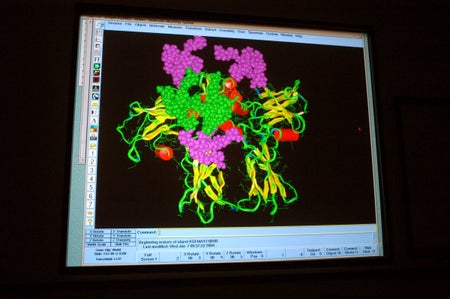
Molecular Origami: Protein Engineering Emerges to Fight Disease
Creating molecules that do not exist in nature could give drug design a boost
Molecular Origami: Protein Engineering Emerges to Fight Disease
Creating molecules that do not exist in nature could give drug design a boost

Mind-Controlled Robo-Skeleton Enables Paraplegics to Regain Some Motion
Researchers were surprised when brain–machine interfaces resulted in paralyzed patients’ recovery of long-lost sensation and muscle control

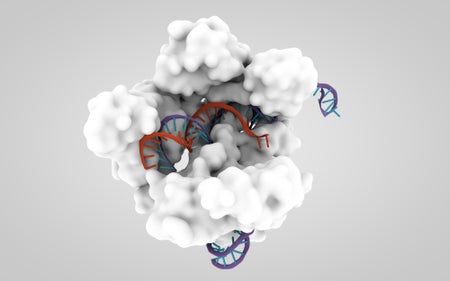
Beyond CRISPR: A Guide to the Many Ways to Edit a Genome
The popular technique has limitations that have sparked searches for alternatives
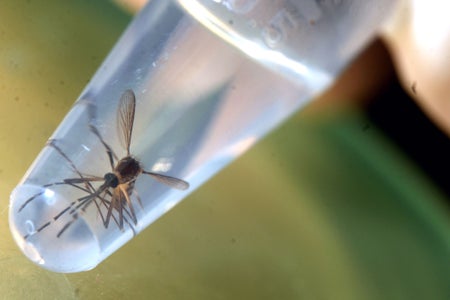
U.S. One Step Closer to Releasing Engineered Mosquito to Fight Zika
Community support for a field trial, required before any releases, is not guaranteed

Mercy versus Efficiency, 1916
Reported in Scientific American, this Week in World War I: August 5, 1916

Blade Runners: Do High-Tech Prostheses Give Runners an Unfair Advantage?
Four years after Oscar Pistorius made history at the London Olympics, the question remains unanswered

Magic Blood and Carbon-Fiber Legs at the Brave New Olympics
With technology and pharmaceuticals dominating our reality, how do we define “natural” human effort in sports? The author of bestseller The Sports Gene weighs in

Human–Animal Chimera Research May Resume with NIH Support
The agency is reconsidering its moratorium on funding such work

A Possible Cure for "Bubble Boy" Disease Will Cost $665,000--Per Dose
The gene therapy could save kids with severe combined immune deficiency

Small Farms and GMOs--Questions from a Reader
I got an e-mail from a reader about small farms and GMOs that led me to do some digging
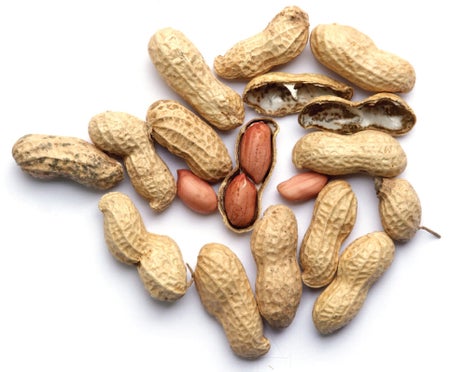
The New Allergy Shot
Allergens hidden inside nanoparticles make allergy shots safer and more effective, new study shows

New Surgical Robots May Get a Boost in Operating Rooms
Surgeons expect such procedures to double within five years