OpinionMarch 15, 2021
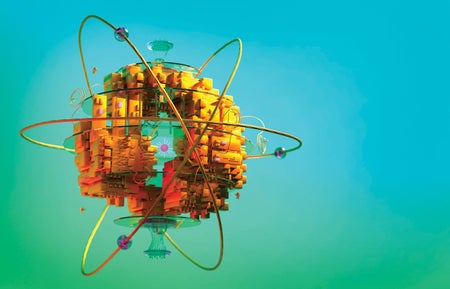
How Quantum Computing Could Remake Chemistry
It will bring molecular modeling to a new level of accuracy, reducing researchers’ reliance on serendipity
How Quantum Computing Could Remake Chemistry
It will bring molecular modeling to a new level of accuracy, reducing researchers’ reliance on serendipity
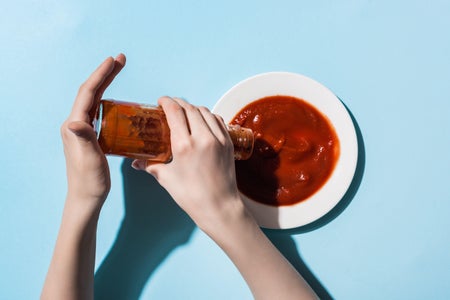
Ketchup Is Not Just a Condiment: It Is Also a Non-Newtonian Fluid
Everybody’s favorite red sauce may be thin or thick, depending on how it is handled


Even Tiny Phytoplankton Have Microbiomes
These algae exchange vital chemicals with bacteria that live around their surface
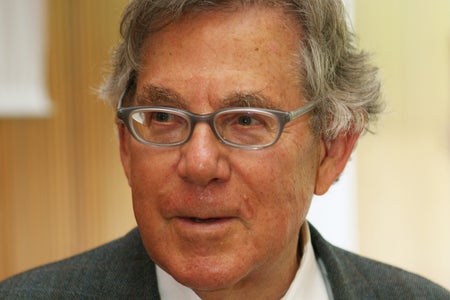
Remembering the Extraordinary Scientist Paul Crutzen (1933–2021)
Among other things, he explored the concept of nuclear winter, won a Nobel for his role in helping understand atmospheric ozone depletion and coined the term “Anthropocene”

Newly Studied Proteins Expand CRISPR's Editing Range
A catalog of Cas9 proteins could provide gene-editing variety
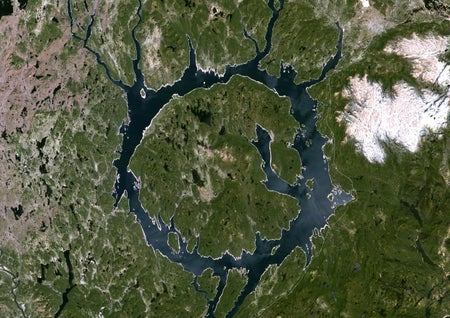
How the First Life on Earth Survived Its Biggest Threat—Water
Living things depend on water, but it breaks down DNA and other key molecules. So how did the earliest cells deal with the water paradox?
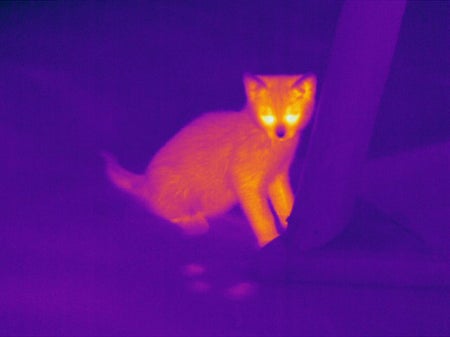
Eye Treatment Stretches Mouse Sight Beyond Visible Spectrum
Nanoparticles that attach to photoreceptors allowed mice to see infrared and near-infrared light for up to two months.
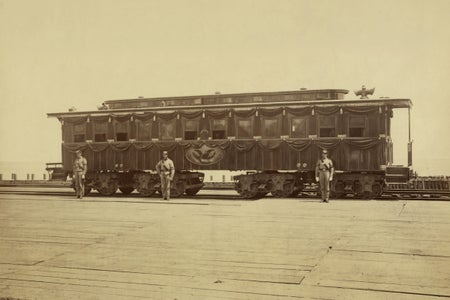
Inventing Us: How Inventions Shaped Humanity
Materials scientist and science writer Ainissa Ramirez talks about her latest book The Alchemy of Us: How Humans and Matter Transformed One Another.
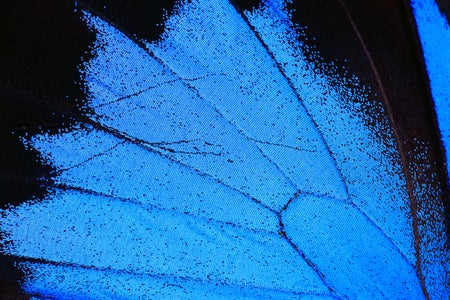
A Butterfly’s Brilliant Blue Wings Lead to Less Toxic Paint
A phenomenon known as structural color could be translated to a range of commercial products
Sun-Powered Chemistry Can Turn Carbon Dioxide into Common Materials
Visible light can drive industrial processes

Low-Carbon Cement Can Help Combat Climate Change
Microbes will help decarbonize the construction industry
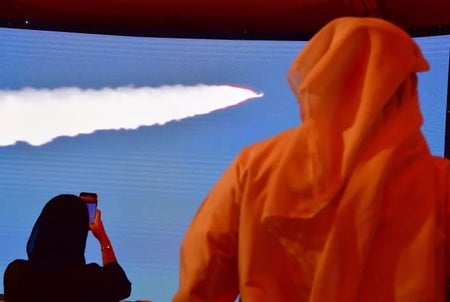
Science News Briefs from around the Globe
Here are some brief reports about science and technology from all over, including one from the United Arab Emirates about the the first interplanetary mission by an Arab country.