Public HealthJuly 17, 2020
Can People ID Infectious Disease by Cough and Sneeze Sounds?
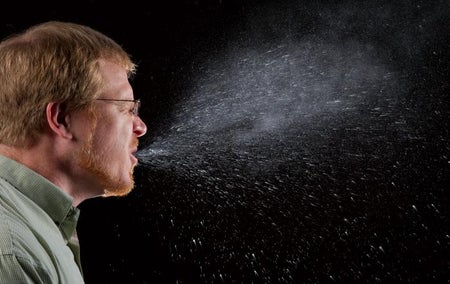
Individuals aren’t very good at judging whether someone coughing or sneezing has an infectious condition or is simply reacting to something benign.
Can People ID Infectious Disease by Cough and Sneeze Sounds?
Individuals aren’t very good at judging whether someone coughing or sneezing has an infectious condition or is simply reacting to something benign.

Why Some Birds Are Likely To Hit Buildings
Those that eat insects, migrate or usually live in the woods are most likely to fly into buildings that feature a lot of glass.

Bat Says Hi as It Hunts
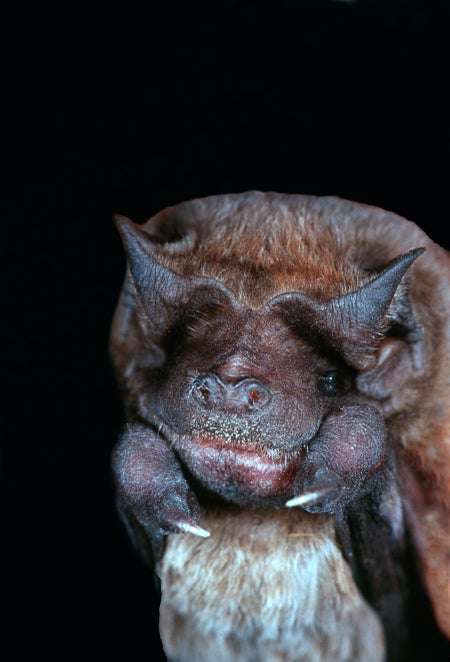
Velvety free-tailed bats produce sounds that help them locate insect prey but simultaneously identify them to their companions.

Why Do Smells Trigger Memories?
Your sense of smell may be a better memory trigger than your sense of sight. Here's why a whiff of apple pie may instantly transport you home in your mind
The Messenger Is the Message
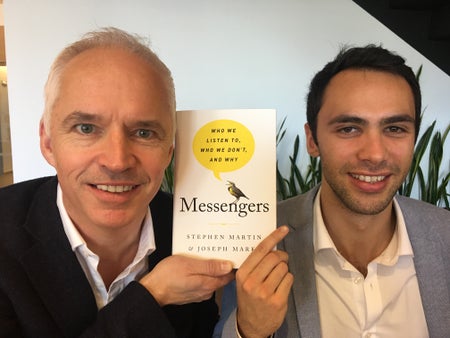
Behavioral scientist Stephen Martin and psychologist Joseph Marks talk about their book Messengers: Who We Listen To, Who We Don’t, and Why.

The Brain Interprets Smell like the Notes of a Song
The sequence in which clusters of olfactory neurons switch on can evoke the smell of an apple instead of a pear
Wrong-Headed Arrows
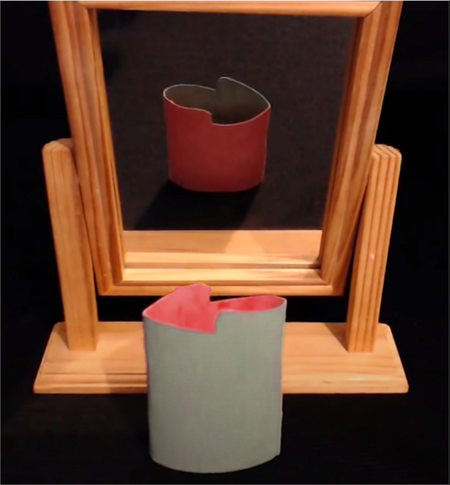
This illusion takes the right of way with your perspective

How to Keep COVID-19 Conspiracies Contained
An expert on climate denial offers tips for inoculating people against coronavirus conspiracy notions.

Review of Learned Hopefulness: The Power of Positivity to Overcome Depression
By refocusing on the positive potential that already lies within, you will restore a greater sense of hope than you ever thought possible

Music Synchronizes the Brains of Performers and Their Audience
The more people enjoy music, the more similar their brain activity is to that of the musician
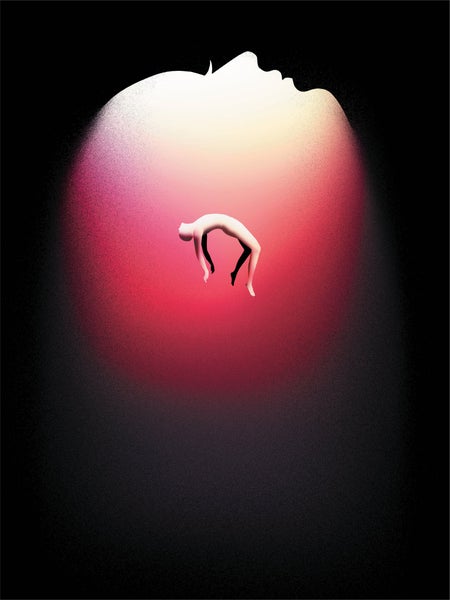
What Near-Death Experiences Reveal about the Brain
A close brush can leave a lasting mental legacy—and may tell us about how the mind functions under extreme conditions
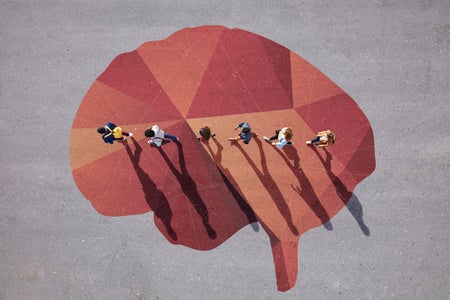
Your Brain, Free Will and the Law
Stanford University neuroscientist Robert Sapolsky talks about human behavior, the penal system and the question of free will.