
ConservationJuly 29, 2018
It's Global Tiger Day—How Is the Effort to Save Them Going?
Overall, badly. Instead of the 25,000–50,000 that should be living in the wild, we're urged to "celebrate" a miserable 5,000 with annoying frequency
It's Global Tiger Day—How Is the Effort to Save Them Going?
Overall, badly. Instead of the 25,000–50,000 that should be living in the wild, we're urged to "celebrate" a miserable 5,000 with annoying frequency
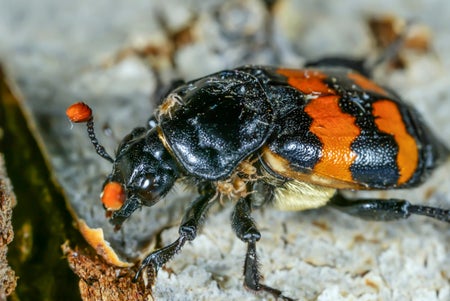
Push to Weaken U.S. Endangered Species Act Runs into Roadblocks
Policymakers have tried, unsuccessfully, to change this law for decades

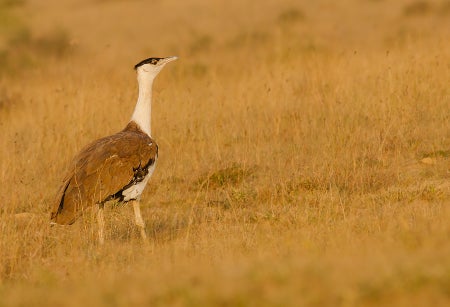
Is the Great Indian Bustard About to Go Extinct?
Only one male has turned up at the birds’ breeding grounds this year—and he’s too young to breed

Border Wall Could Disrupt Hundreds of Species
More than 2,500 scientists signed a letter saying that an expanded U.S.–Mexico border wall would threaten both biodiversity and scientific research. Christopher Intagliata reports.
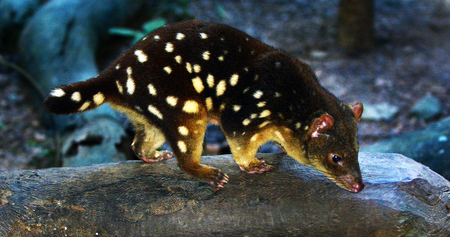
Speeding Up Evolution to Save an Australian Marsupial from Toxic Toads
The strategy could also be used to aide Tasmanian devils and corals on the Great Barrier Reef

The Last of the Ocean Wilderness
Just 13 percent of the ocean remains largely untouched by human activity, and without strong action to preserve such areas, they will likely be lost forever
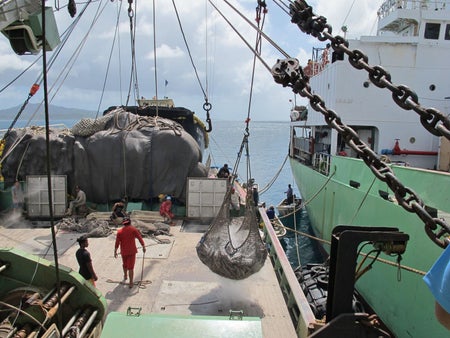
Science Closes In on Big-Scale Fish Poachers in the “Wild Wet”
New analysis shows where fish transfers that can obscure illegal catches are happening

Trump to Curb Protections as Warming Endangers Species
Proposed changes to Endangered Species Act could stymie species listings
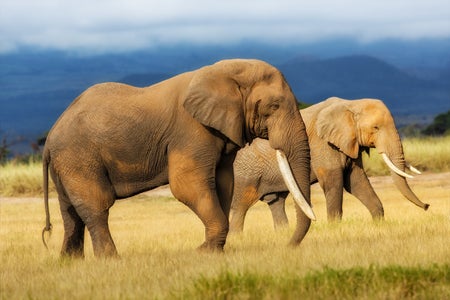
Honey Bee Alarm Signal Could Protect Elephants
Chemicals designed to simulate honeybee alarm pheromones could deter elephants from farmers’ crops, easing conflicts with humans. Annie Sneed reports.
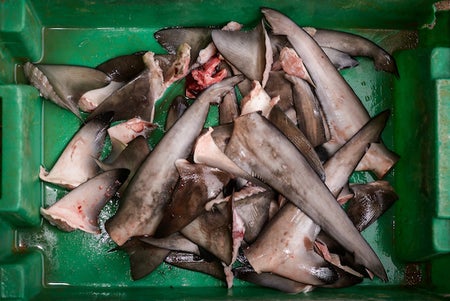
Sympathy for the Devil: Shark Week Should Remind Us Humans Are the Apex Predator
For every human they kill, we kill literally millions of them

Using Herbicides to Save Endangered Snails
Sometimes, toxic chemicals are actually a good thing

Nuclear Bomb Sensors Eavesdrop on Whales
A network of hydrophones intended to monitor nuclear tests may prove useful for conservation