Science EducationJune 16, 2026
On our radar
These young scientists are making waves in their own ways. Keep an eye on them—great things are ahead
On our radar
These young scientists are making waves in their own ways. Keep an eye on them—great things are ahead
What people get wrong about scientists
Scientists are seen as oddballs, and that’s a problem

Science’s rising stars
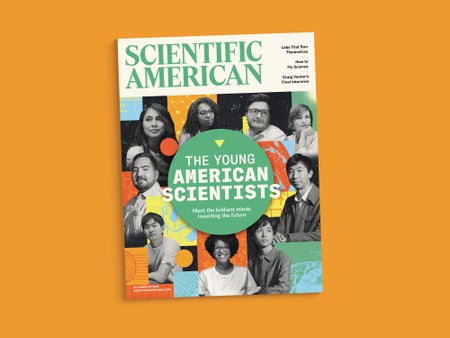
There are bright futures ahead for our first-ever Young American Scientist honorees
Readers respond to the February 2026 issue
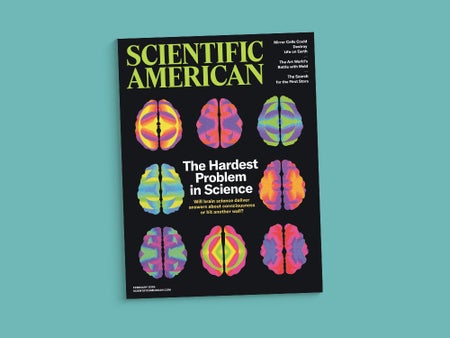
Letters to the editors for the February 2026 issue of Scientific American
NSF awards record number of coveted Ph.D. fellowships in surprise move
Quantum science and AI research are big winners just a year after this U.S. funding giant slashed its Graduate Research Fellowship Program awards in half
A face-swapping illusion can unlock childhood memories
By making people feel as if they inhabit a younger version of their own face, researchers can bring childhood memories into sharper focus
The fans who went from collecting Pokémon to studying bugs and fossils
As Pokémon turns 30, we take a look at how the beloved Japanese kids’ franchise was inspired by—and has shaped—real-world science
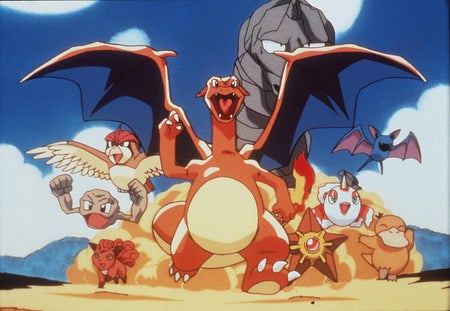
The Pokémon universe goes hard on ecology and climate science
The Pokémon franchise, including its recent game Pokémon Pokopia, is inspired by real animals and their ecology. It’s no surprise that so many scientists love to try and “catch ’em all”
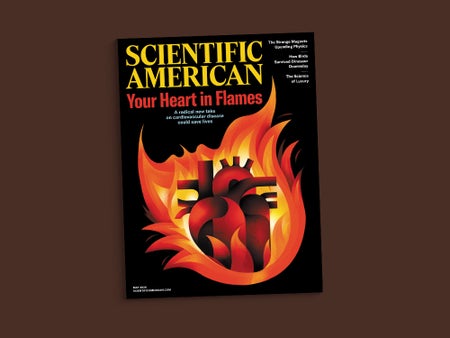
Unlikely paths to discovery
Sometimes innovation can be traced back to bizarre places: a muddy streambed, a volcanic ash field or even a hotel-company boardroom
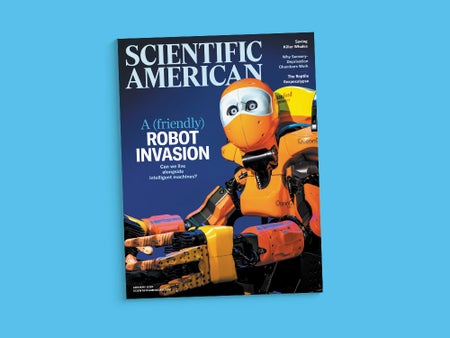
Readers respond to the January 2026 issue
Letters to the editors for the January 2026 issue of Scientific American
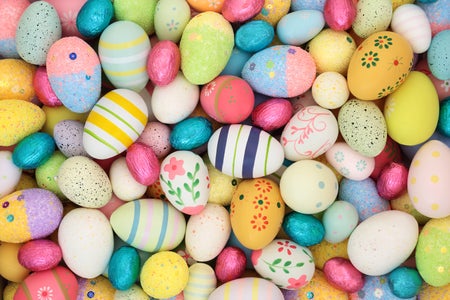
The mathematical formula that reveals when Easter is every year
You can track the start of spring and the phases of the moon—or you can turn to a formula by mathematician Carl Friedrich Gauss
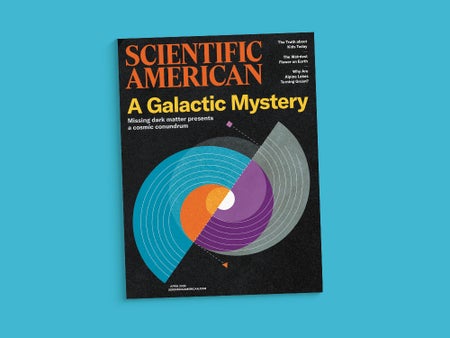
Universe in chaos, Earth’s kids oddly fine!
Lurid headlines don’t give American children enough credit