A 3D cell-culture method that employs a polymer scaffold to nurture stem cells outside the body holds great promise for regenerative medicine since it can reverse a key indicator of aging in stem cells.
Regenerative medicine is an exciting emerging biotechnology that could help treat conditions that up until now have had limited or no treatment options. It involves cultivating new cell types from stem cells, progenitor cells and mature adult cells taken from a patient. The cultivated cells are then implanted back in the patient.
But cultivating cells outside the body accelerates their aging, often causing them to enter a state known as senescence in which they cease to divide. “When cells spend time outside the body, they age very much faster than when they’re in their native environment in the body,” explains Samuel Abraham of the Edogawa Evolutionary Lab of Science (EELS) in Tokyo, Japan.
Now, a 3D cell-culture technique developed by orthopedician Shojiro Katoh, also of EELS, and Abraham can reverse a key indicator of aging in communities of stem cells cultivated using it.
“Our system provides stem cells with an environment where they’re able to retain their youthfulness,” says Abraham. “So when you transplant them in the body, they should be healthier and more effective for stem-cell therapy.”
Conventionally, stem cells are cultured on a flat surface. In contrast, Abraham’s method uses a 3D structure that cradles stem cells. “When stem cells are grown on a flat, 2D surface they tend to spread out in a single layer,” says Abraham. “But in our scaffold, they relax, almost like they’re in a hammock, and form a spherical community.”
The Edogawa Hospital team tested their scaffold by using it to cultivate chondrocytes — stem cells that generate cartilage tissue — from cartilage tissue taken from someone suffering from osteoarthritis and compared them with chondrocytes grown on a standard 2D plate. The cells grown on the scaffold expressed less beta-galactosidase — an enzyme produced by aged cells in the senescent state — than those grown on the plate.
But the real surprise was that the beta-galactosidase level of chondrocyte cells grown on the scaffold actually decreased with time, suggesting a reversal of aging in the community of cells. “It’s not that the cells became younger; rather the age of the tissue as a whole, goes down because many young cells are born,” explains Katoh. “So the average age of the tissue becomes younger. That’s what we’ve been able to accomplish.”
The EELS team is now preparing to start clinical trials using their platform. “We believe this method will provide better quality cells for treating patients with osteoarthritis and other conditions in the future.”
Reference:
Katoh, S. et al. Reversal of senescence-associated beta-galactosidase expression during in vitro three-dimensional tissue-engineering of human chondrocytes in a polymer scaffold. Scientific Reports 11, 14059 (2021). doi: 10.1038/s41598-021-93607-9
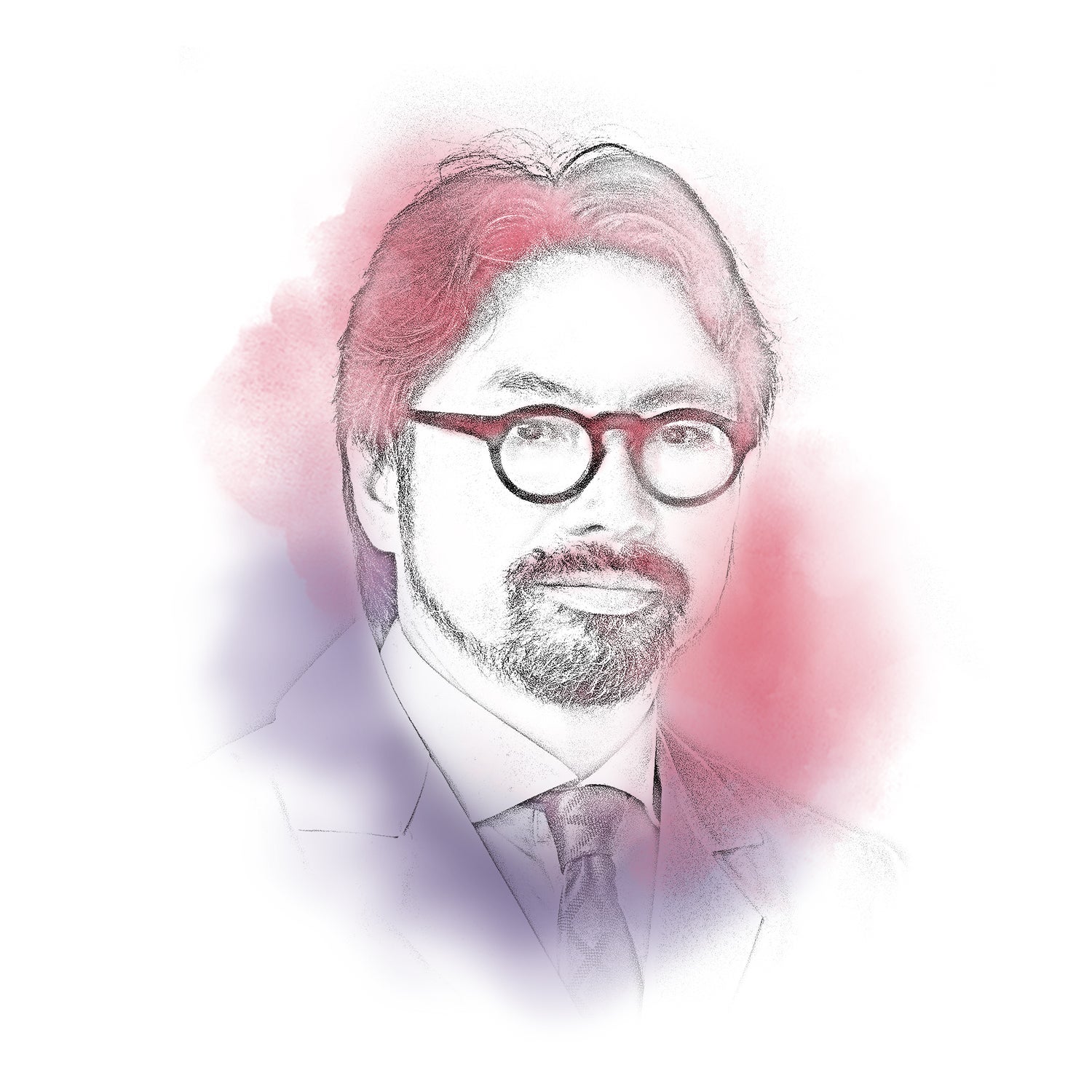 After graduating from the Faculty of Medicine at Nihon University in Tokyo, Japan, Shojiro Katoh did his training in orthopedics at Keio University Hospital, Tokyo, Japan. He is interested in the surgical management of knee joint disorders. He heads the Division of Orthopedics of Edogawa Hospital, Tokyo, Japan, and performs around 350 total-knee arthroplasty procedures annually. He is also the president of Jinseisha, the parent organization of Edogawa Hospital, a multi-specialty hospital, and Medicare Edogawa Hospital, both in Tokyo, Japan. Having accomplished reversal of in vitro senescence of chondrocytes, his team is preparing to start clinical studies on autologous chondrocyte implantation and matrix-assisted autologous chondrocyte implantation employing their new technology.
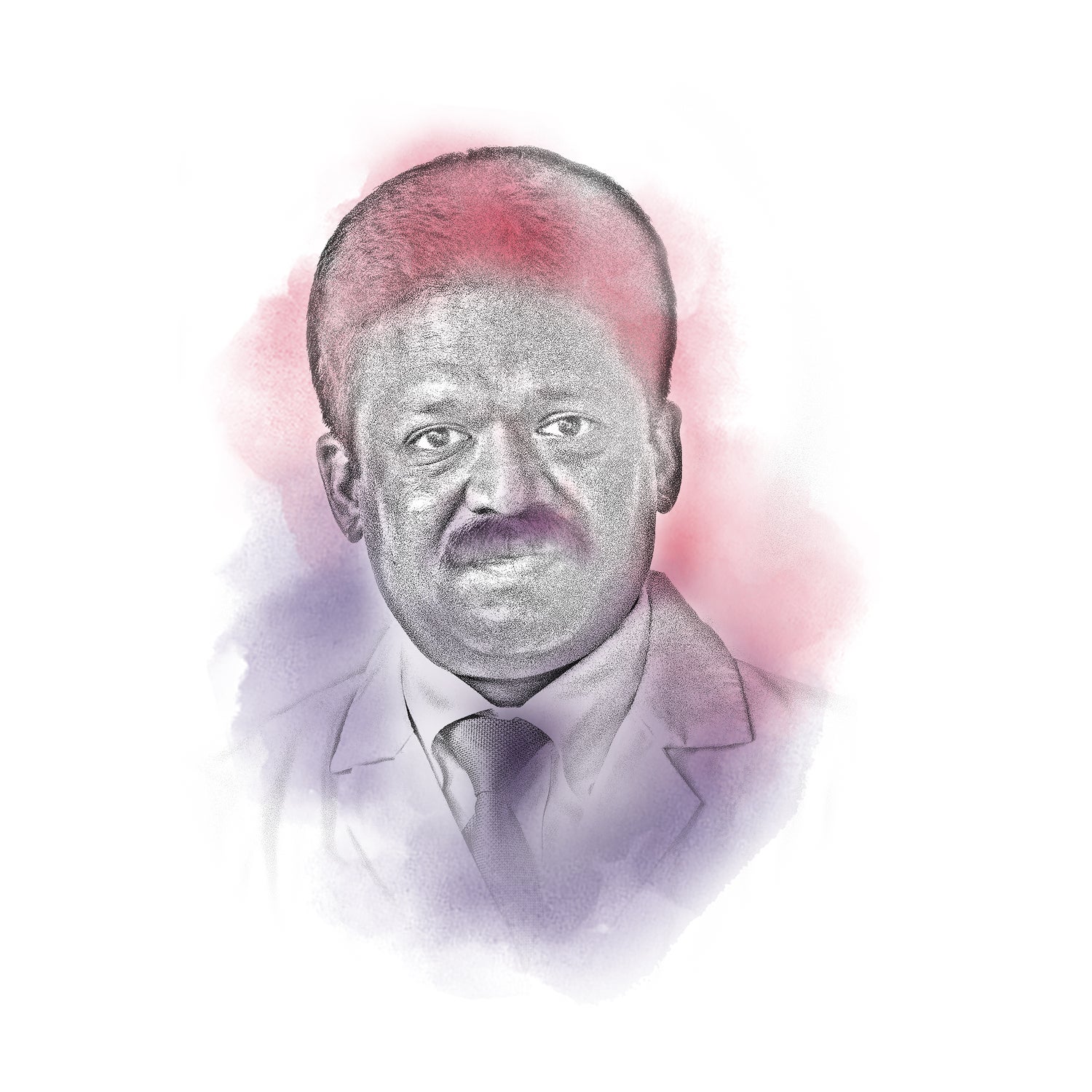 Samuel Abraham graduated from Tirunelveli Medical College, which is affiliated with Madurai Kamaraj University in India, in 1992. After training in pediatric surgery, he joined the Faculty of Medicine at Yamanashi University for postgraduate training in pediatric cardiac surgery and obtained his doctorate there. He founded GN Corporation in 2002 and the Nichi-In Centre for Regenerative Medicine (NCRM) in 2005. He initiated interdisciplinary research combining novel biomaterials and tissue-engineering methodologies in regenerative medicine. This research has yielded potential cell-therapy solutions for corneal regeneration in ophthalmology, cartilage repair in orthopedics and for urethral stricture in urology. He started a collaboration with Edogawa Hospital, Tokyo, Japan, supported by JBM Inc., as an industry partner. Recently, he has initiated research on cellular senescence with a view to developing anti-aging applications.