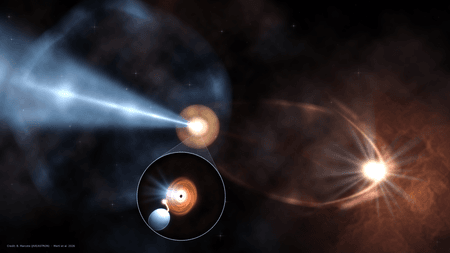
AstronomySeptember 25, 2026
Scientists just found a bizarre cosmic object ‘hiding in plain sight’
Meet the Milky Way’s first microblazar
Scientists just found a bizarre cosmic object ‘hiding in plain sight’
Meet the Milky Way’s first microblazar
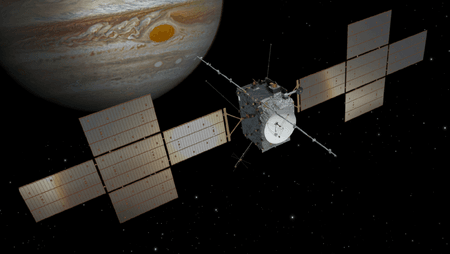
Jupiter-bound spacecraft Juice to fly by Earth Monday
To get to the outer solar system, the Juice spacecraft needs an assist from Earth’s gravity—and it’s going to be taking pictures along the way

What’s the point of the interstellar Fermi Explorer mission?
Fermi Explorer, a proposed low-cost private mission to Alpha Centauri, seeks to address a question that’s already been answered

Vox’s Unexplainable and Scientific American take on dark matter, uncertainty and the unknowable
What if the universe’s biggest mystery has no answer?
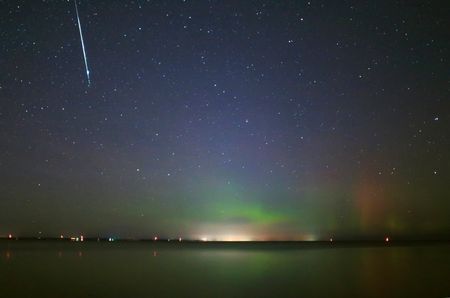
See the Taurids light up the fall sky with brilliant shooting stars
Lasting from mid-September until mid-November, the Taurid meteor showers are among the longest of the year
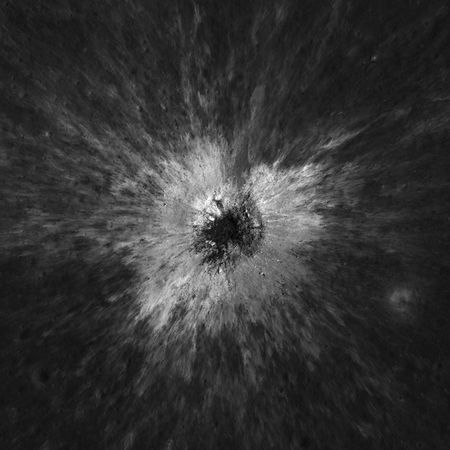
Scientists discover largest new impact crater in the solar system ever—on our moon
The crater, named after geologist and lunar surface expert Tom McGetchin, spans more than two football fields wide
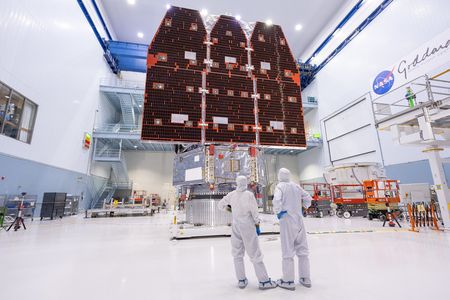
After brutal cuts, can this NASA center still build multibillion-dollar space telescopes?
2025 was a brutal year of budget cuts and workforce attrition at NASA’s Goddard Space Flight Center, the home base for the Nancy Grace Roman Space Telescope. Experts worry Goddard—and NASA’s space science—may never recover
U.S. space weapons, AI regulation debates and the EPA’s carbon emissions rollback
From orbital weapons to AI risks and weaker emissions rules
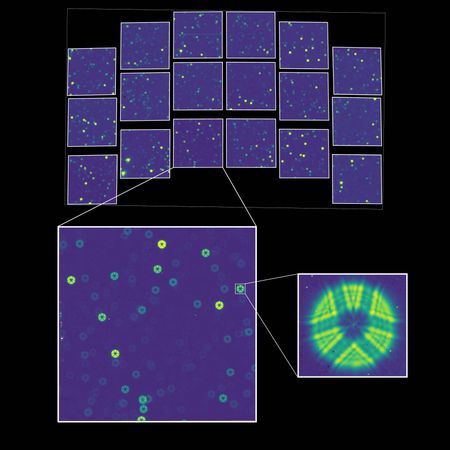
NASA’s Nancy Grace Roman Telescope glimpses its first cosmic light
The space telescope is set to reveal thousands of new exoplanets and scour the universe for signs of dark matter and energy
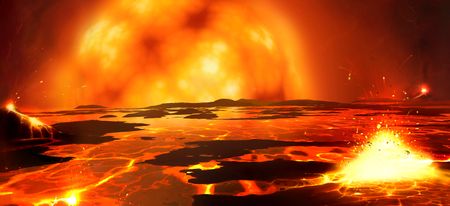
The life and death of the sun
Our sun is on a long, strange trip to its eventual demise. Here are the key stops along the way

It’s official: The U.S. has weapons in space
A high-ranking official announced yesterday that the U.S. military has deployed weapons into orbit to counter threats from Russia and China

What if we never find dark matter?
Could the hunt for the universe’s missing matter be the biggest wild goose chase in scientific history?