


Sitting inconspicuously in kitchens around the world is a palm-sized device that helped turn the tide of World War II. Invented during the height of the Battle of the Atlantic, the cavity magnetron resembles the vacuum tubes used in old televisions, but with a twist. Magnetrons cause electric charges to oscillate and emit microwaves — a more powerful form of radiation than the radio waves previously used for radar defences.
The post-war period saw a proliferation in magnetron applications, beginning with the invention of the microwave oven in 1946 and continuing today with base stations for LTE and 5G networks. But generating microwaves using vacuum tubes is becoming obsolete in an era of smart manufacturing. “With the shift towards digitalization, analogue magnetrons are no longer compatible with an automated world,” explains Grace Cho, head of marketing for RFHIC Corporation in South Korea. “Magnetrons have average lifetimes of 4,000 to 6,000 hours, which is not economically feasible for automated processing lines.”
Gallium nitride experts
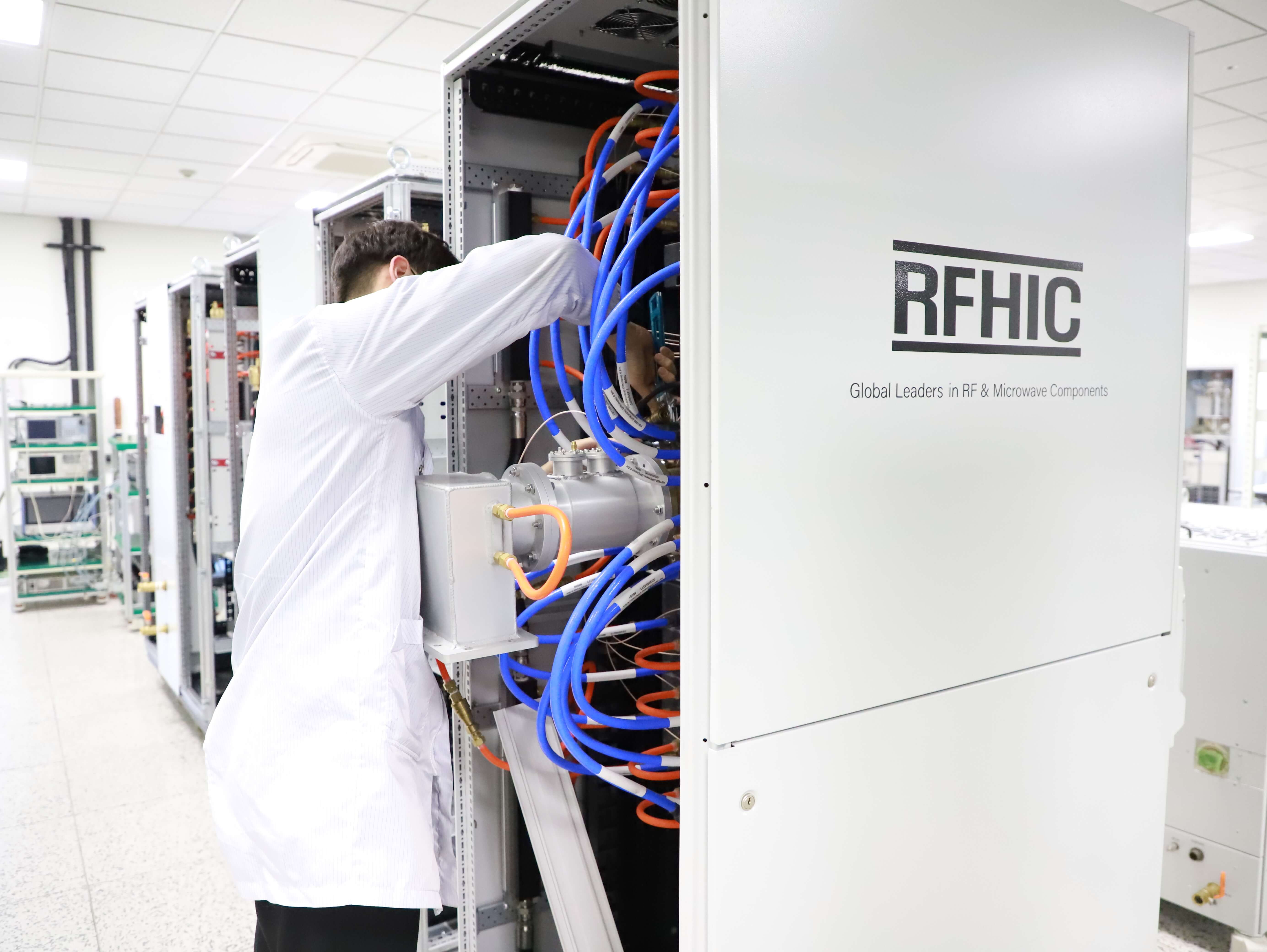
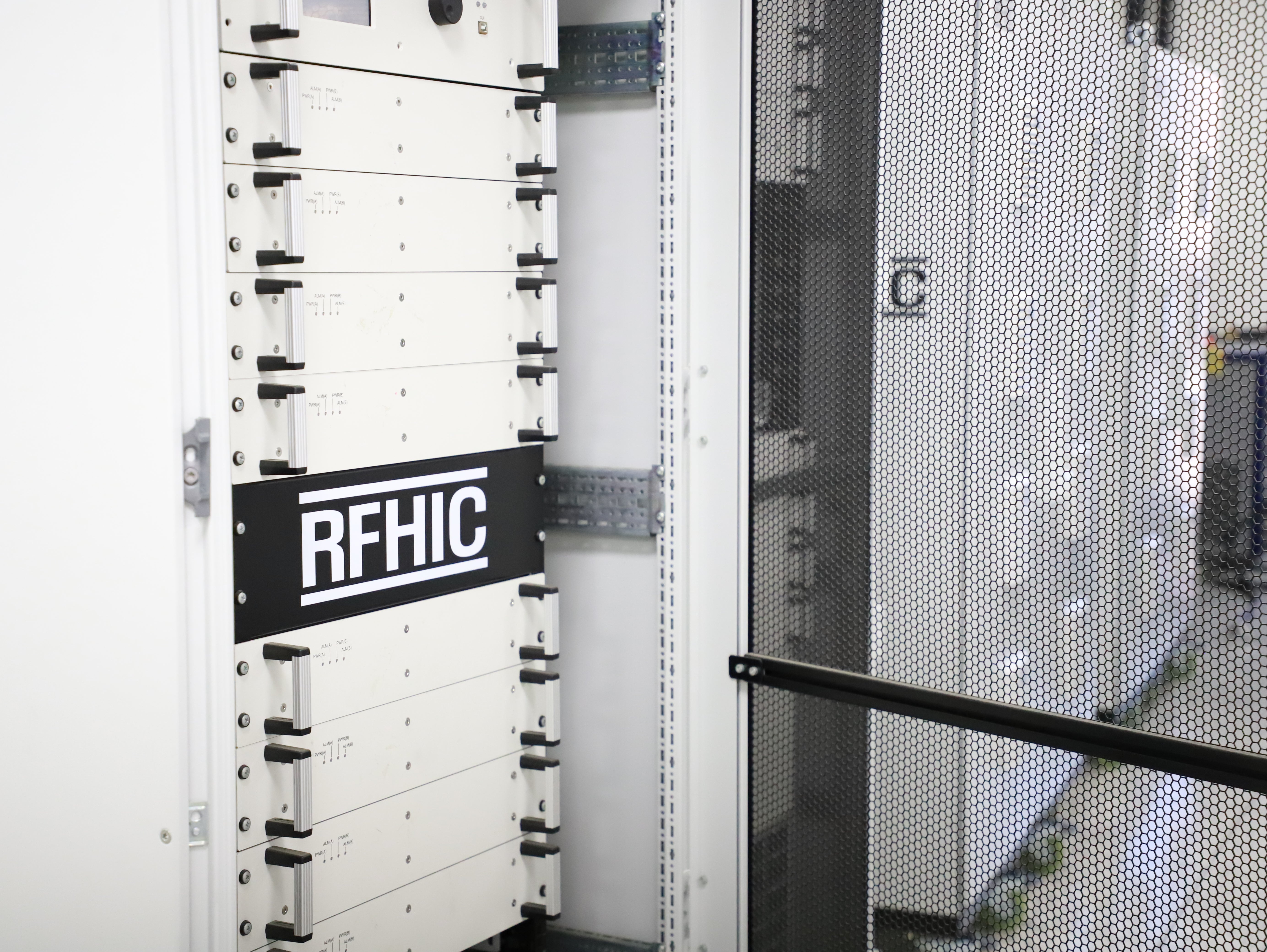
An alternative way to produce microwaves is to use semiconductor transistors. RFHIC specializes in designing and manufacturing gallium nitride (GaN) transistors, which exhibit excellent thermal stability, high efficiency, high power and a compact form factor. Combining multiple transistors produces high-power GaN solid-state power amplifiers, which in turn can be combined to build mega-watt industrial microwave generators. GaN technology provides much longer lifetimes of up to 50,000 to 100,000 hours, digital controllability, low-voltage operation, compactness and simple system integration.
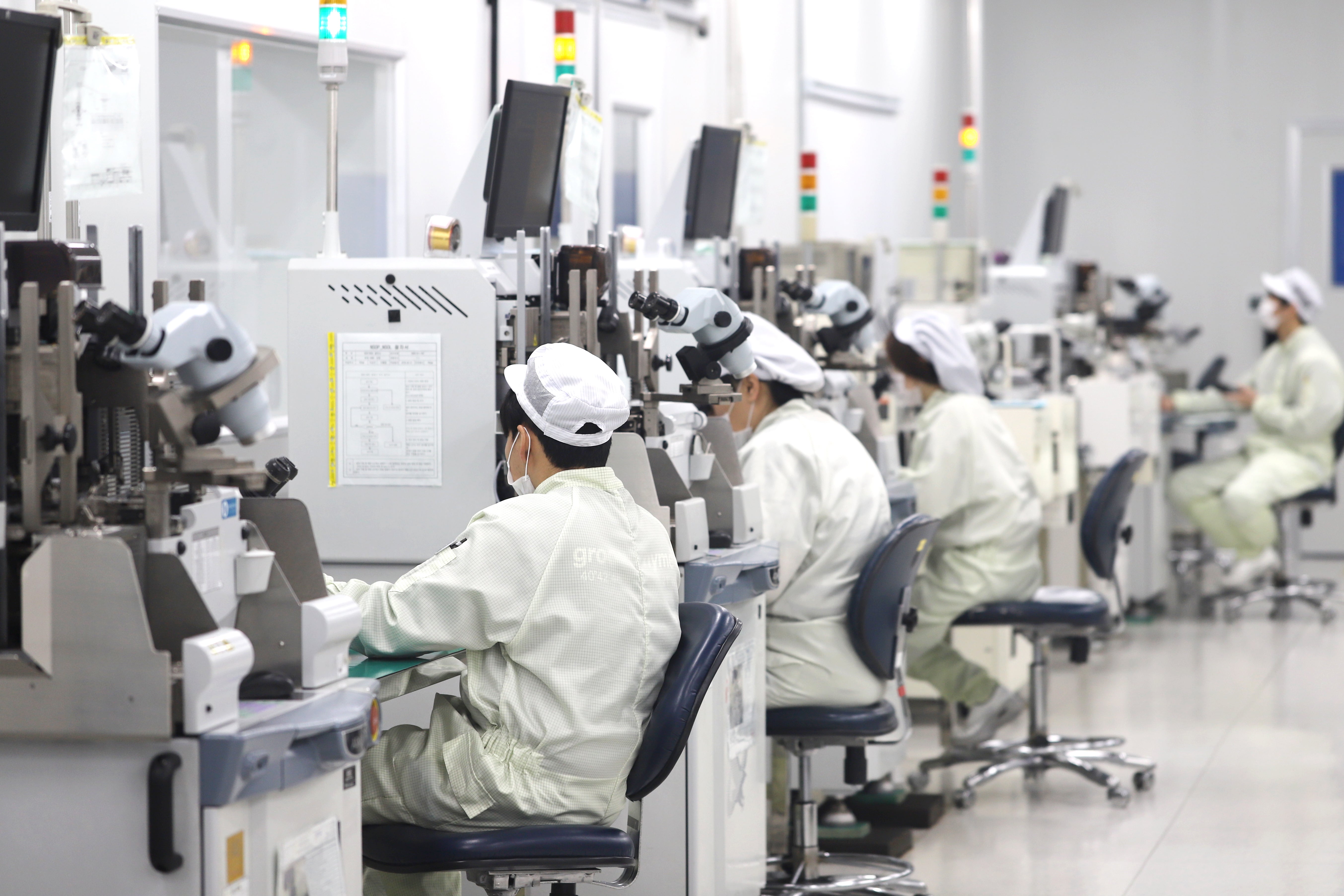
The story behind the founding of RFHIC goes back to 1999, when brothers, Samuel and David Cho, realized that on-chip microwave generators could meet the need for cost-effective GaAs components for satellite applications. Naming their company after their key product — the radio-frequency hybrid integrated circuit (RFHIC) — the two hit on a novel strategy. By specializing in transistors made from gallium nitride, a thermally stable semiconductor that can be used at elevated temperatures and in wide frequency bands, the company tapped into the demand in various applications for wireless infrastructure, such as 4G LTE and 5G, as well as for defence and commercial radar applications, including ASAR radar, weather radar and air traffic control radar. With 23 years of GaN radiofrequency and microwave experience and expertise, RFHIC is now bringing their game-changing technology to customers wanting to use microwave heating and plasma generation for applications such as chemical vapor deposition equipment, material processing, food processing, hydrogen production and waste gasification.
Realizing uniform heating
Conventional heating and current magnetron-based microwave solutions cook food unevenly, resulting in cold spots, longer processing times, and inferior nutritional content, flavor, color and texture. Unlike conventional and magnetron-based heating solutions, GaN solid-state technology offers unprecedented digital controllability and monitoring capabilities, providing a much more uniform and optimal end product.
Cho cites the example of melamine foam, the ‘magic sponges’ used as mildly abrasive cleaners. They are typically manufactured by passing the raw materials through a tunnel equipped with multiple magnetrons. “A customer was having difficulty uniformly heating and expanding their polymeric foam using magnetron-based technology,” Cho says. “The uneven heat distribution was producing a non-uniform cellular structure. It’s like baking — you need an even heat distribution to bake the perfect cake.” Replacing bulky magnetron components with solid-state microwave generators resulted in much more uniform heating of the foam. It had the added benefits of reducing the floor space of the client’s manufacturing system and enabling them to upgrade to an automated, data-driven control system for their production line.
Another success story is a producer of ready-to-eat meals who used RFHIC’s digital optimization techniques to halve thermal processing times, enhancing both the food’s nutritional content and the customer’s bottom line.
A key feature of RFHIC’s GaN solid-state technology is its frequency-sweeping software, which provides real-time feedback for real-time feedback based on the product within the chamber. On changing the product, the generator performs a continuous frequency sweep within a 30–100 megahertz bandwidth to detect the optimal frequency to operate at. This revolutionary technology provides flexibility and precise control for optimizing processes in various applications involving heating, drying and plasma generation.
Plasma Generation
Automated sunlight microwave radiation is also an efficient way to turn gas molecules into plasma, the highly ionized fourth state of matter. Semiconductor manufacturers are the primary beneficiaries of RFHIC’s plasma technology, but the company is also exploring its use in plasma lights for vertical farming and sterilization applications. “Plasma lights provide a natural broad spectrum similar to that of the sunlight, making them an ideal solution for plant cultivation,” says Cho. “Plasma lights are behind some new startups in vertical farming. You can also use plasmas to extend the shelf life of fruits and vegetables through sterilization processes.”
Growing diamonds in the lab
GaN solid-state industrial microwave generators are commonly used in chemical vapor deposition systems, which are often used for growing diamonds in the lab. Many clients are shifting from mined diamonds to lab-grown ones because of environmental concerns and a stronger sense of social responsibility. A tiny seed diamond is placed in a high-power microwave source along with methane. A plasma is produced by heating the methane to very high temperatures, and carbon atoms from the plasma crystallize on the diamond seed, causing it to grow. The digitally controllable features and longer lifetimes provided by RFHIC’s GaN solid-state industrial microwave generators allow manufacturers of lab-grown diamonds to create their own optimal recipe for diamond growth. which will help them to differentiate themselves from their competitors.
Collaborating to find new applications
Cho emphasizes the importance of collaborations in finding new applications for RFHIC GaN solid-state industrial generators. The use and applications for microwave heating and plasma generation are ubiquitous. “We’re very open to collaborating and partnering with academic researchers to people within various fields to explore the use of our GaN solid-state technology,” says Cho. “It’s time for today’s GaN solid-state microwave power sources to unleash a new wave of discovery and innovation in the fields of physics, chemistry, material sciences, food processing, and wherever researchers’ curiosity may lead them.”
For more information about RFHIC, please read more here.