

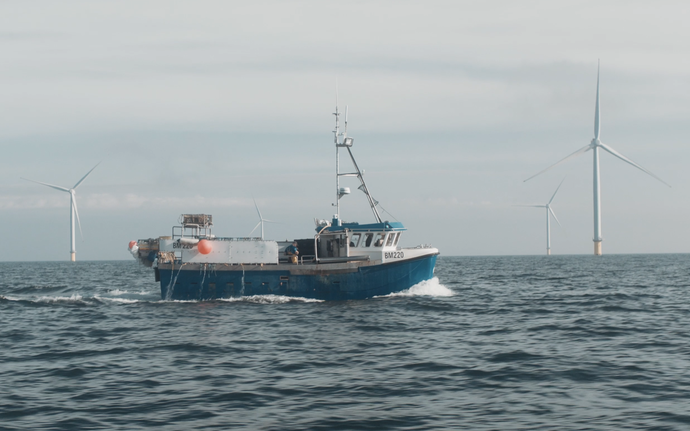
Along the US coastline, the wind blows strong and steady, and it could power the United States four times over, according to an estimate of offshore wind potential from the National Renewable Energy Laboratory. And with new US goals in place to decarbonize the power sector by 2035, the nation is finally gearing up to capture its share.
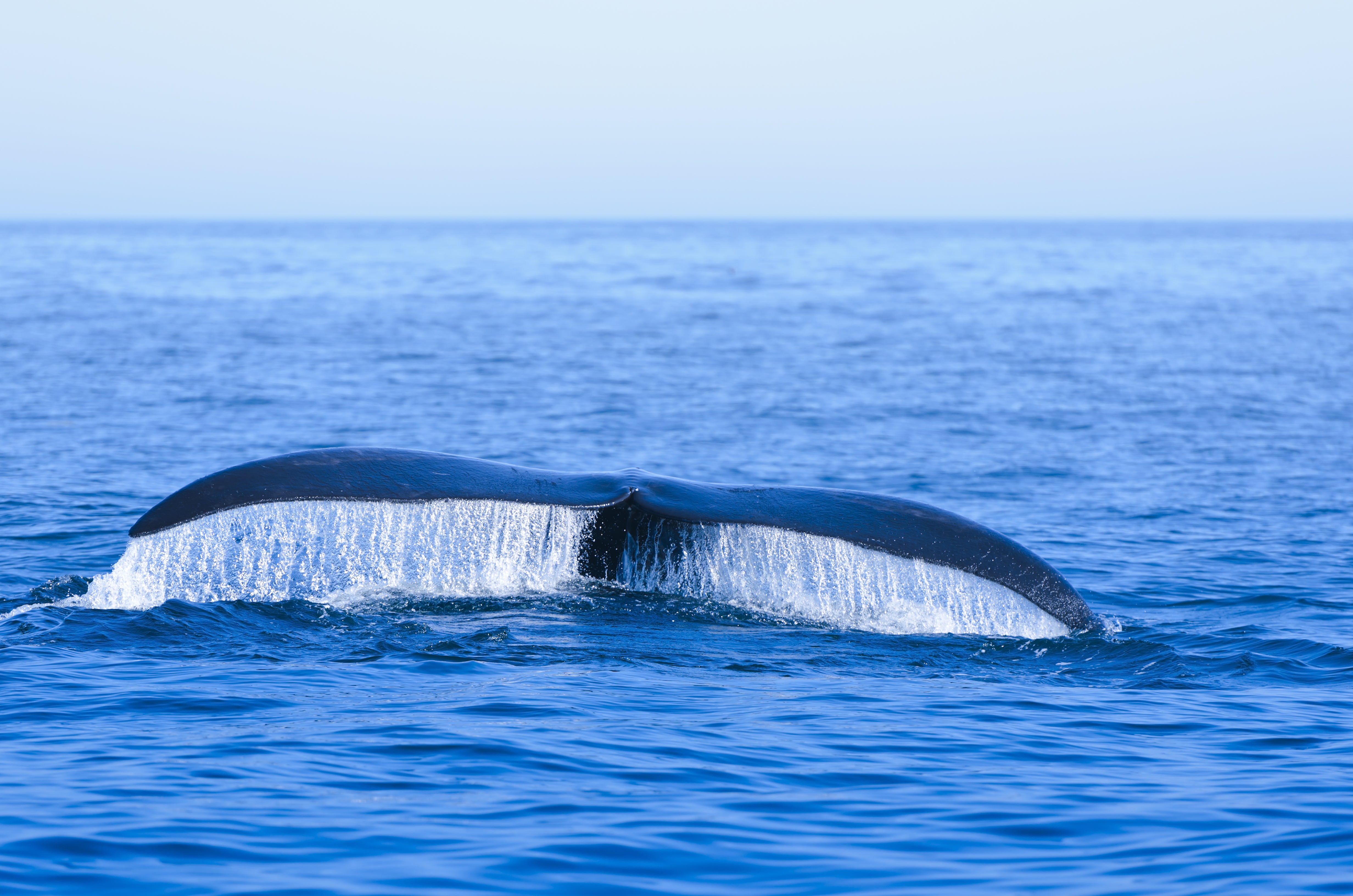
But some of the best offshore wind real estate is also home to the North Atlantic right whale, which lives only in its namesake region. Less than 400 North Atlantic right whales survive, and their habitat—feeding and mating grounds off New England and Canada, breeding grounds in the southeast, and migration routes in between—overlap with many of the offshore wind sites targeted for development. And wildlife advocates worry what increased ship traffic and construction activity around those sites could mean for whales and other species.
But unlike past offshore energy booms that led to major impacts to wildlife, this time ocean scientists and companies are teaming up from the start to protect species from harm. They’re even finding that wind development can help boost biodiversity.
“The two can coexist,” says Joe Brodie, a meteorologist and oceanographer who leads offshore wind research efforts at Rutgers University’s Center for Ocean Observing Leadership in New Brunswick, New Jersey. “It just has to be done intelligently and with as much information as possible, to minimize any potential conflict.”
An ear to the sea
To protect marine biodiversity, Brodie has begun listening to the ocean. Last year he and researchers at the University of Rhode Island, and the Woods Hole Oceanographic Institution in Massachusetts, began dropping acoustic sensors into the sea to detect and monitor marine mammals, particularly North Atlantic right whales.
The sensors include a bright yellow, torpedo-shaped glider deployed off the coast of New Jersey that can penetrate the water, and a pair of buoy-like devices deployed off the Massachusetts and Rhode Island coasts. These devices pick up the whales’ vocalizations and transmit location and other data that will be used to better understand distribution and migration patterns.
The scientists are working with Ørsted, a renewable energy company that is building and operating more than 40 wind farms off the coast of the UK, northern Europe, Taiwan, and the United States. They are conducting a three-year study to devise ways to minimize environmental impacts during the construction and operation of the company’s planned wind farms off the coast of New Jersey and southern New England.
As an added benefit, sensors in this effort, called the Ecosystem and Passive Acoustic Monitoring (ECO-PAM) project, also collect data on temperature, pressure and other ocean conditions. Coastal communities can use these data to strengthen weather forecasts and predict severe storms such as bomb cyclones—especially important as climate change supercharges these events, Brodie says.
Tracking over time
Timing matters, too. It’s crucial to assess the potential impacts on marine life long before construction begins, says ecologist and oceanographer, Victoria Todd. Her company, Ocean Science Consulting, based in Dunbar, Scotland, works with offshore wind and oil and gas companies to reduce the environmental impact of their projects.
“The best way to protect marine life is advance planning, and by performing baseline studies prior to wind farm development. That way we can understand the use of the area by the various animals at different times of the year,” Todd says. “Is it an important breeding site? Is it an important feeding site? How often are the animals there?”
Knowing all this can help companies reduce the risk of conflicts.
New habitat
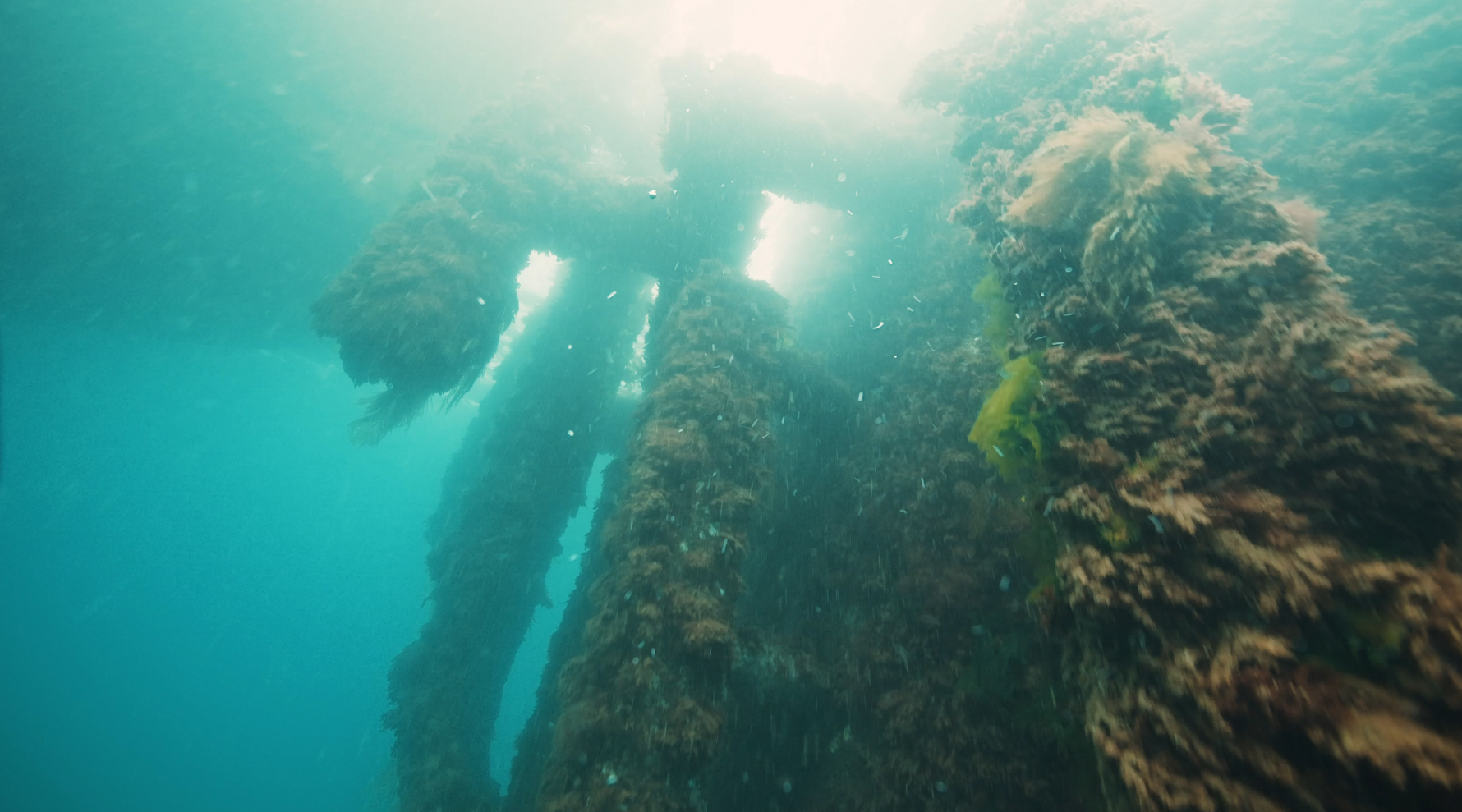
As turbines are built along both sides of the Atlantic, an additional benefit of offshore wind emerges: new habitat. Turbine foundations provide artificial hard substrates that marine organisms can colonize. The North Sea alone will be home to up to 62 GW of offshore wind installations by 2030, according to European Wind Energy Association estimates. Thousands of turbines will be needed to provide that much power, and their foundations will increase habitat for mussels, sea anemones and other animals, according to a 2020 study led by marine ecologist Joop Coolen of Wageningen University in the Netherlands.
Biodiversity near turbine foundations can also be actively enhanced. Artificial reefs made of large concrete pipes near Ørsted’s 94-turbine Borssele Offshore Wind Farm in the North Sea are providing shelter for Atlantic cod and other fish. And in the Kattegat straits of Denmark, a partnership between Ørsted and the World Wide Fund for Nature (WWF) led to ‘biohuts’ for juvenile cod. The huts, located at Grenå Harbor, consist of cage-like structures packed with oyster shells that provide the cod fingerlings shelter from predators.
These successes are prompting similar collaborations elsewhere, says Coolen, who studies biodiversity around offshore wind and oil and gas platforms in the North Sea. “It’s very inspiring. A lot of people are now considering how to enhance biodiversity.”
Important questions remain. For example, while these platforms attract invertebrates and fish, it’s not yet clear how marine communities evolve from there. “The key question we're trying to ask is, at what stage does the artificial reef start producing fish?” Todd says. “Do the adult animals move into the area to breed and does the reproductive output of that reef start to affect the marine ecosystem around it?”
When offshore wind boosts biodiversity, it can also help ensure buy-in from the public. A 2020 study in the journal Energy Research & Social Science found that when electricity comes from offshore wind installations that enhance marine biodiversity, coastal residents are willing to pay more for it. "Integrating biodiversity benefits into the design of renewable energy infrastructure could increase public support for such developments,” the authors concluded.
In the US, protecting marine biodiversity in this way would be good for everyone, Brodie says — the public, industry, the climate, and most importantly, the life of the sea. “Knowing what's out there, when it's out there, where they are, and what they're doing is going to make all the difference."
To find out more about delivering renewable energy in balance with nature, explore this dedicated resource from Ørsted.