EarthSeptember 17, 2026
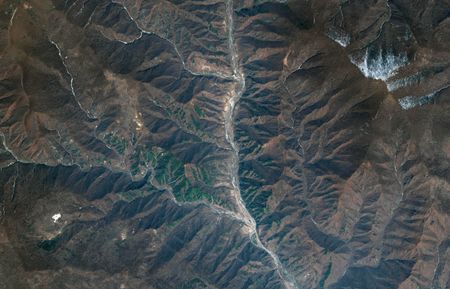
North Korea’s nuclear tests have turned this mountain into an earthquake hot spot
Seismic activity has increased markedly at Mount Mantap, also known as Mantapsan, since the last test blast there in 2017
North Korea’s nuclear tests have turned this mountain into an earthquake hot spot
Seismic activity has increased markedly at Mount Mantap, also known as Mantapsan, since the last test blast there in 2017
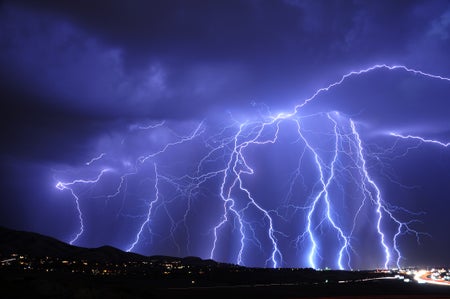
How “thunderquakes” could help reveal hidden structures inside the Earth
When that energy reaches the ground, some of it is converted into seismic waves that ripple through the soil and rock beneath—“thunderquakes”

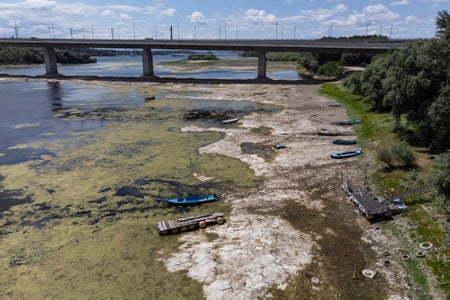
Europe’s heat waves are killing thousands—and wringing its soils dry
The European continent is facing a dual reckoning this summer—extreme heat is killing thousands and draining its rivers, soils and reservoirs at a record pace

Exclusive: International timekeepers to vote on changing the leap second to a leap hour
To align Coordinated Universal Time with Earth’s rotation, a second occasionally gets added to the year. That may change in 2027
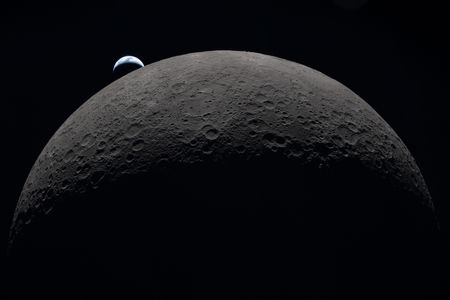
What will happen to Earth’s moon in the far future?
The moon is Earth’s constant companion. But will that always be the case?
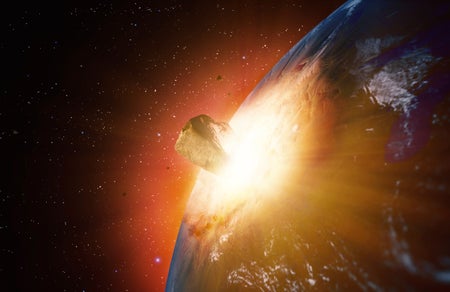
Will humanity be able to protect Earth from a deadly asteroid?
Our solar system is a celestial shooting gallery, chock-full of flying projectiles that one day could threaten Earth—so what can we do about it?
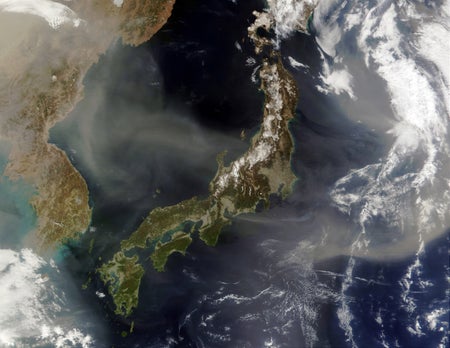
Japan’s 2011 earthquake was so powerful that it shifted the entire country’s location
This “extraordinary” event was likely caused by seismic waves bouncing off Earth’s core, researchers found
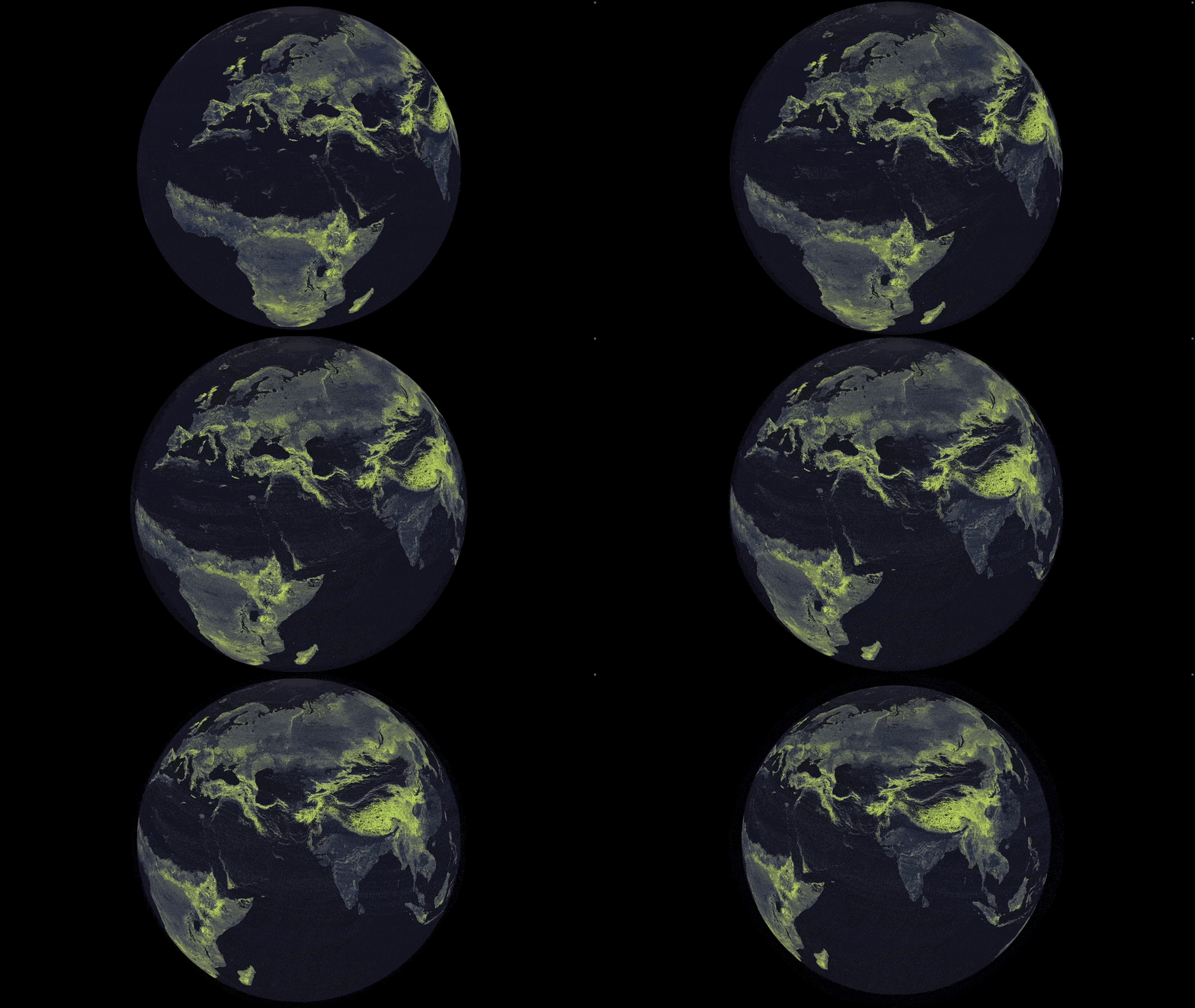
See the hidden fungal network so big it could stretch to Proxima Centauri and back
Researchers have created the first high-resolution global map of the extent of one of Earth’s largest—and least visible—living networks
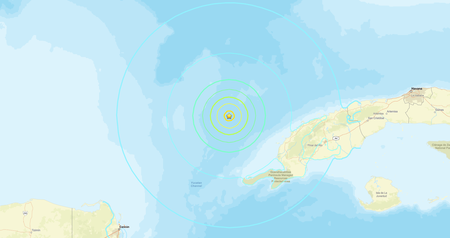
‘Odd’ Gulf of Mexico earthquake rattles Florida and Cuba
This earthquake may be among the biggest in the Gulf of Mexico’s history
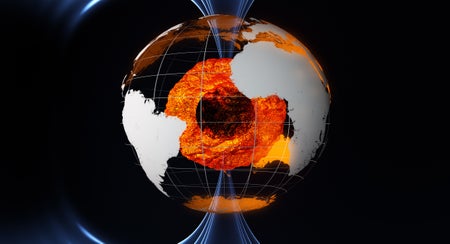
Earth’s molten outer core is behaving in chaotic, unexpected ways
Scientists are working to solve a mystery of Earth’s molten outer core, which lies more than 2,000 kilometers beneath our feet
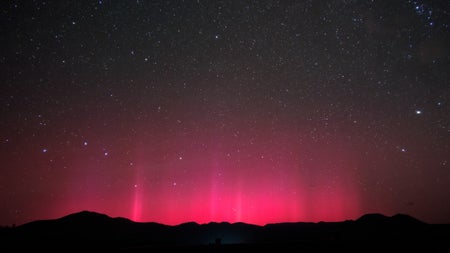
Medieval poets wrote about auroras. Their work is providing clues to the solar cycle
Medieval poets, including a Japanese noble, provided key descriptions to track down solar events

Inge Lehmann and Earth’s deepest Secret
Science writer Hanne Strager explores how the trailblazing Danish seismologist Inge Lehmann overcame self-doubt to discover that Earth has a solid inner core, overturning the long-held belief that it was liquid