EnvironmentMay 8, 2020
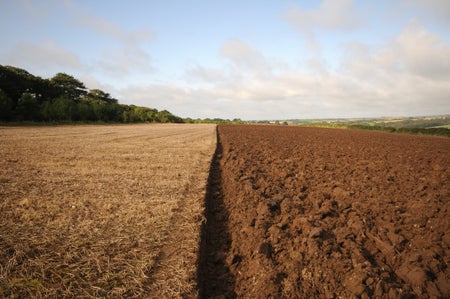
Soils Store Huge Amounts of Carbon, Warming May Unleash It
Higher temperatures and wetter weather may spur soil microbes to release more carbon into the atmosphere
Soils Store Huge Amounts of Carbon, Warming May Unleash It
Higher temperatures and wetter weather may spur soil microbes to release more carbon into the atmosphere
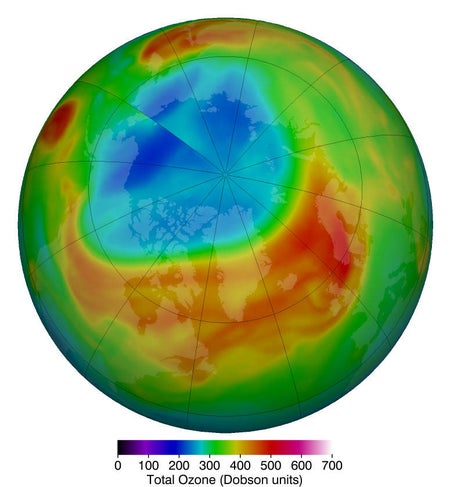
North Pole’s Largest-ever Ozone Hole Finally Closes
An unusually strong polar vortex kept the hole open for nearly a month—now, it’s finally shut again

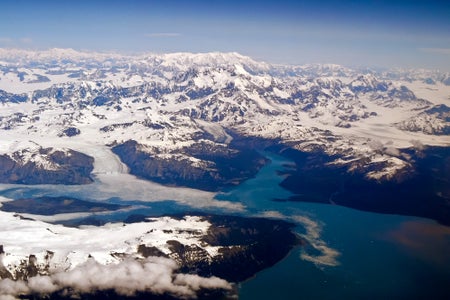
Warming Caused a Glacier in Alaska to Collapse
Pooling meltwater destabilized the glacier, sending an avalanche of ice down a mountainside
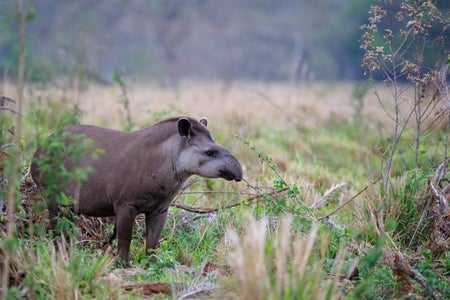
Tapirs Help Reforestation via Defecation
The large herbivores appear to prefer disturbed areas over more intact ones and spread many more seeds in those places through their droppings.
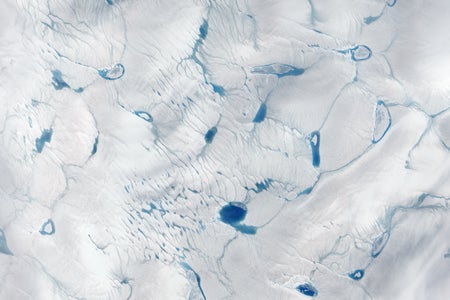
New Satellite Gives Clearest View Yet of Polar Ice Melt
Ice lost by Greenland and Antarctica outweighs any gains from accumulating snow, measurements from NASA’s ICESat-2 show
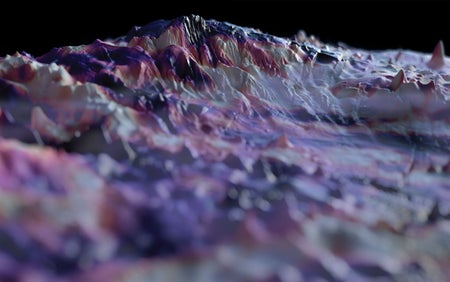
Giant Volcano Rewrites the Story of Seafloor Formation
Tamu Massif and dozens of other seafloor volcanoes formed like sheet cakes, not layer cakes
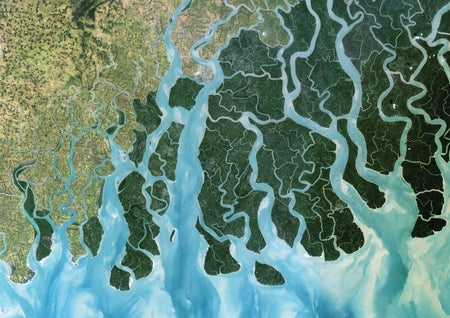
Deltas Gain Ground—but the Trend Won’t Last
New analysis reveals river deltas’ surprising expansion

Geology of the Pacific Northwest: A Great Introduction for Kids
Help kids learn about the geology of the Pacific Northwest in a fun, informative geology book with easy projects
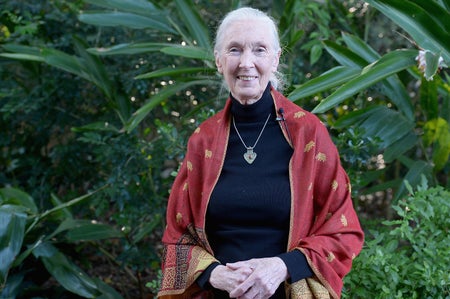
Jane Goodall: We Can Learn from This Pandemic
In a teleconference promoting her participation in Earth Day events on the National Geographic Channel, Goodall talked about what gives her hope during the pandemic and what she hopes we all learn from it.

Elephants Appear as Far as the Eye Can See
Originally published in January 1860
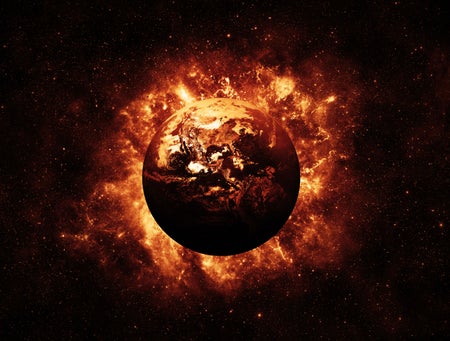
2020 on Track to Rank in the Top 5 Hottest Years on Record
The first three months of the year were the second warmest in 141 years of record keeping
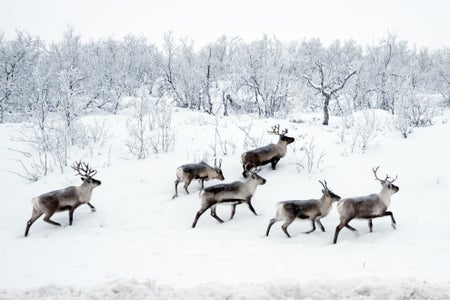
How Herbivore Herds Might Help Permafrost
Introducing herds of large herbivores in the Arctic would disturb surface snow, allowing cold air to reach the ground and keep the permafrost frosty.