EnergyAugust 30, 2016
Want to Boil Water? Step 1 – Grab Some Bubble Wrap
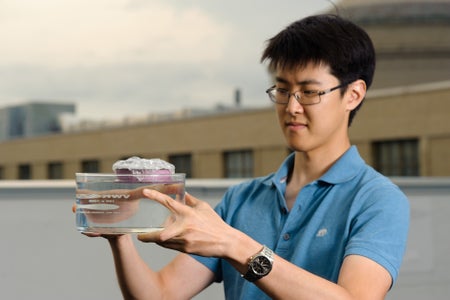
MIT engineers have invented a bubble-wrapped, sponge-like device that uses sunlight to boil water, even on relatively cool, overcast days.
Want to Boil Water? Step 1 – Grab Some Bubble Wrap
MIT engineers have invented a bubble-wrapped, sponge-like device that uses sunlight to boil water, even on relatively cool, overcast days.
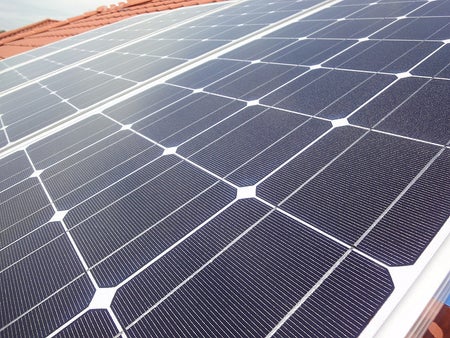
The Price of Solar Is Declining to Unprecedented Lows
Despite already low costs, the installed price of solar fell by 5 to 12 percent in 2015

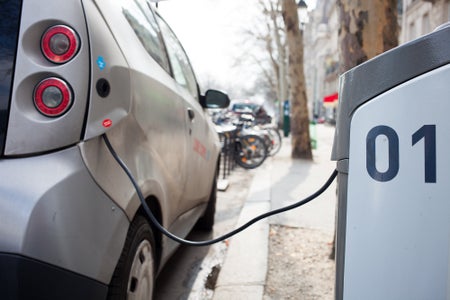
California Utility Wants to Install Huge Number of Electric Car Chargers
But it wants rate payers to foot the $160 million bill

Engineered Bacterium Turns Carbon Dioxide into Methane Fuel
If scaled up, batches of bacteria could convert CO2 emissions into fuel, in a single step
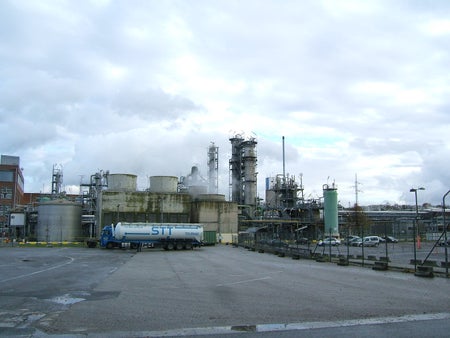
New Membrane Could Save $2 Billion a Year for U.S. Industries
The synthetic membrane from ExxonMobile would also avert 45 million tons of carbon dioxide emissions
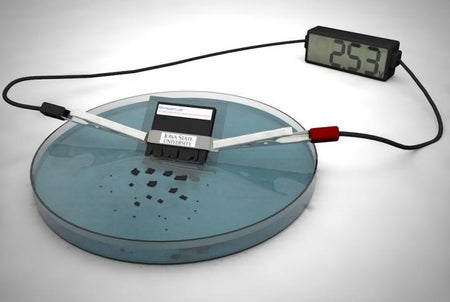
Self-Destructing Battery Can Dissolve Itself in 30 Minutes
Battery could pave the way for so-called transient power sources for scientific instruments or tools of espionage, researchers say

Glider Aims to Break World Record—and Boost Climate Science
Perlan mission will surf stratospheric waves and conduct atmospheric research
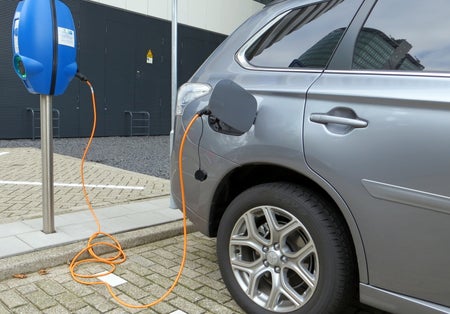
Electric Car Charging Could Follow Airbnb Model
Individuals offer their charging stations to the public, to fill gaps in commercial recharging networks
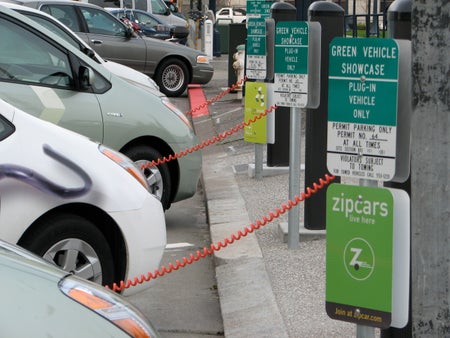
Fast-Charge Plugs Do Not Fit All Electric Cars
Just like desktops, laptops and smartphones, plugs to rapidly charge electric cars are not compatible across brands
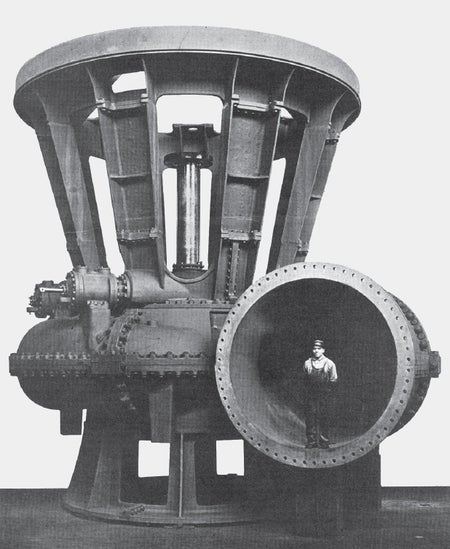
The Value of Electricity and the Price of Telegraphs
Innovation and discovery as chronicled in Scientific American
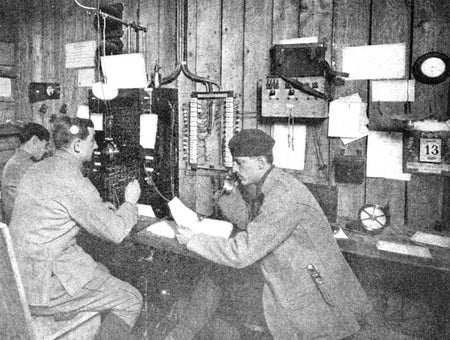
Modern Electricity, 1916
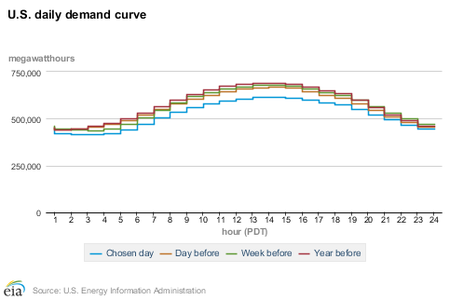
For Data Lovers--Hourly Grid Operating Information Is Now Available from the EIA
The U.S. Energy Information Administration is now providing hourly electricity operating data online in near–real time