EnergyApril 13, 2017
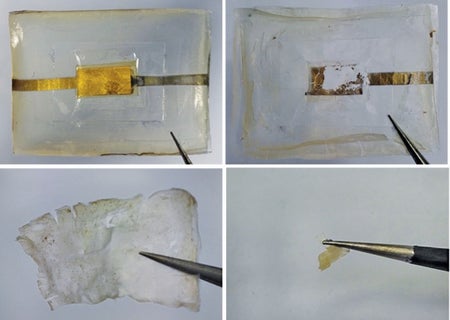
Tiny Silk Batteries Dissolve within Weeks
Biodegradable power source could run medical implants deep in the body
Tiny Silk Batteries Dissolve within Weeks
Biodegradable power source could run medical implants deep in the body
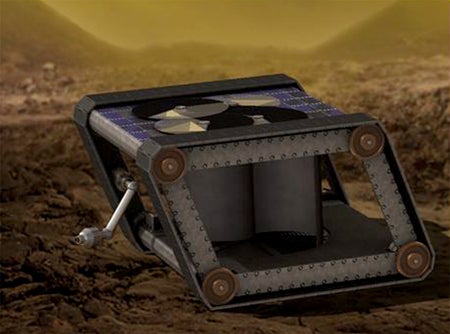
NASA Funds 22 Futuristic Ideas for Space Exploration
The research grants provide funding for new studies of spacecraft propulsion, synthetic biology and more

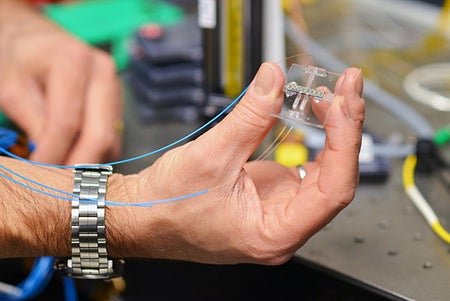
A Tiny Detection Chip Could Find Methane Leaks Autonomously
IBM will soon field-test technology that sees methane leaking from oil and gas well pads
New Window Screens Filter Pollution from Air
Specially treated screens can keep out 90 percent of particles harmful to our health
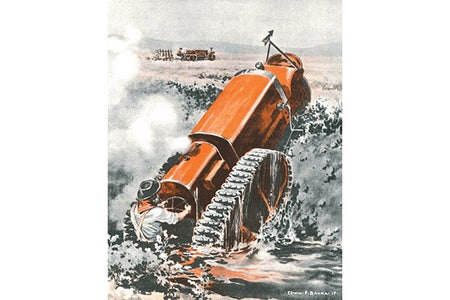
America Declares War on Germany
Innovation and discovery as chronicled in Scientific American

Photo Friday: Mildred Dresselhaus (1930 - 2017)
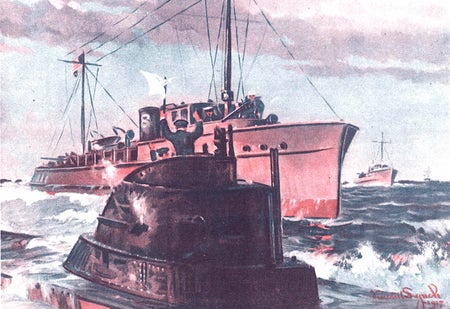
Fear of the Submarine, 1917
Reported in Scientific American, this Week in World War I: March 31, 1917

Ghost in the Sell: Hollywood’s Mischievous Vision of AI
With the new sci-fi flick Ghost in the Shell hitting theaters this week, Scientific American asks artificial intelligence experts which movies, if any, have gotten AI right
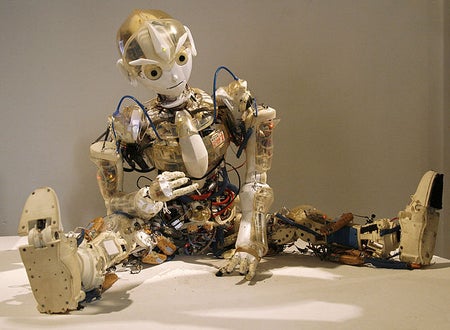
The Point of Pointless Behaviors
How the “intrinsic motivation” we see in children can help us develop better robots

Mind-Reading Computers That Can Translate Thoughts into Words
In his latest book, Adam Piore explores how bioengineers are harnessing the latest technologies to unlock untapped abilities in the human body and mind, like translating neural brain patterns of thoughts into written words

Women Workers Fill the Factories, 1917
Reported by Scientific American, this Week in World War I: March 24, 1917
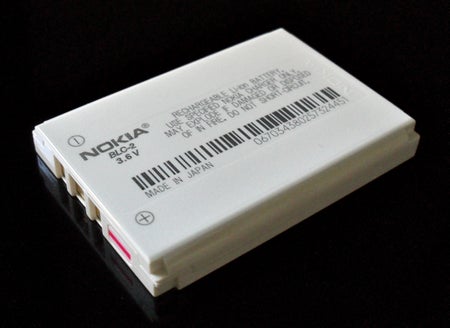
Researchers Solve Critical Flaw in Lithium–Sulfur Batteries
Scientists have created a thin composite film that gives lithium–sulfur cells exceptional durability