EngineeringMarch 20, 2017
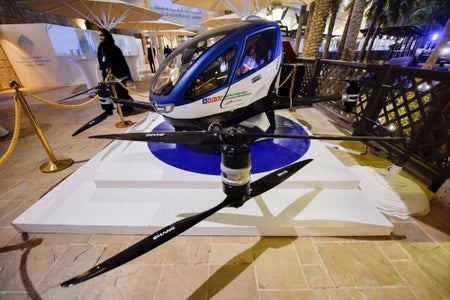
Forget Flying Cars: Passenger Drones May Be Hovering Soon at a Location Near You
Self-piloting quadcopters make more sense than an airplane–automobile hybrid—but safety and logistics problems remain
Forget Flying Cars: Passenger Drones May Be Hovering Soon at a Location Near You
Self-piloting quadcopters make more sense than an airplane–automobile hybrid—but safety and logistics problems remain
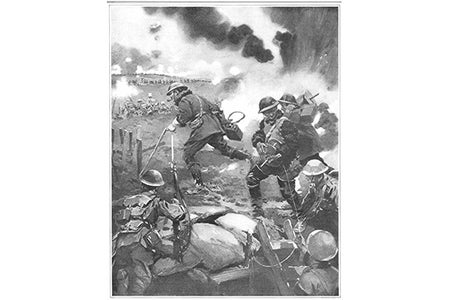
Command, Control, Communication, Electricity, 1917
Reported in Scientific American, this Week in World War I: March 17, 1917

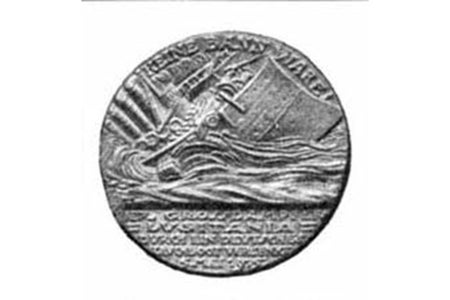
Medallions and the Dark Arts of Propaganda, 1917
Reported in Scientific American, this Week in World War I: March 10, 1917
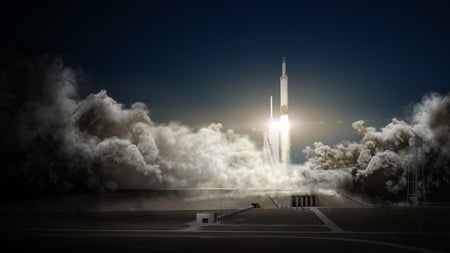
Could SpaceX Get People to the Moon in 2018?
The private launch company must overcome several hurdles to meet its aggressive schedule for an ambitious lunar mission
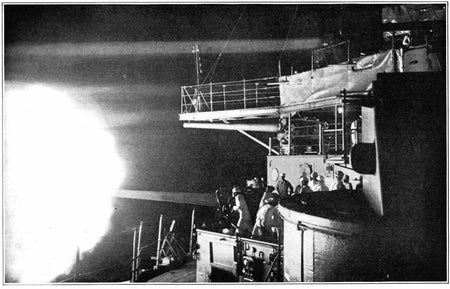
Naval Warfare: Theory and Ships, 1917
Reported in Scientific American, this Week in World War I: March 3, 1917

Time to Fold, Humans: Poker-Playing AI Beats Pros at Texas Hold’em
The feat represents a leap forward in developing artificial intelligence that can learn with incomplete information
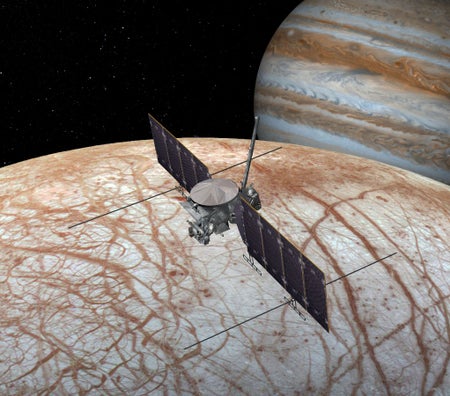
NASA’s Mission to Europa Enters Design Phase
Although it won't launch until the 2020s, the spacecraft's key components are being designed right now

Driverless Big Rigs Nearly Road Ready—That's a Big 10–4
Experts argue that self-driving trucks are even more important than autonomous passenger cars, and they’re easier to program
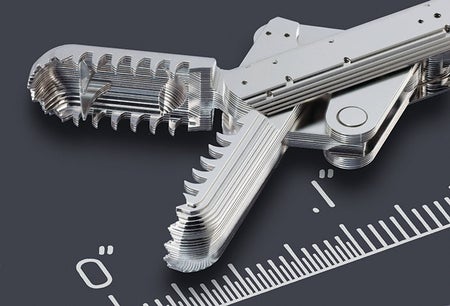
3-D Printing Modification Yields Adorable Micro-Tools
A new method of 3-D printing draws inspiration from the semiconductor industry
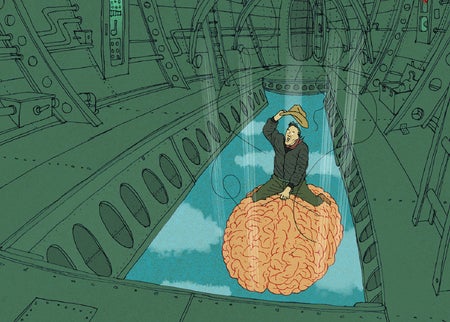
Artificial Intelligence Is Not a Threat—Yet
Artificial intelligence as existential threat
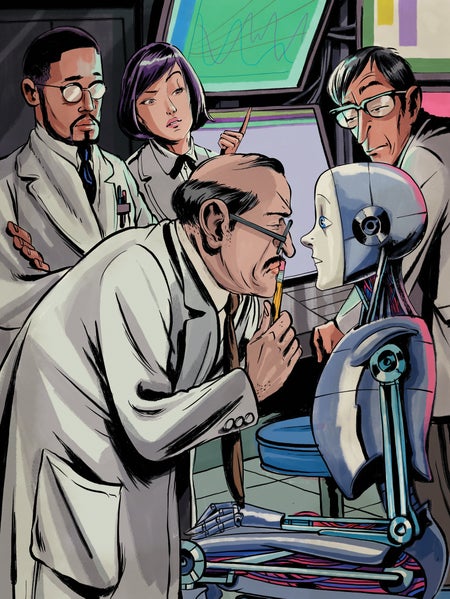
The Search for a New Test of Artificial Intelligence
Researchers need new ways to distinguish artificial intelligence from the natural kind
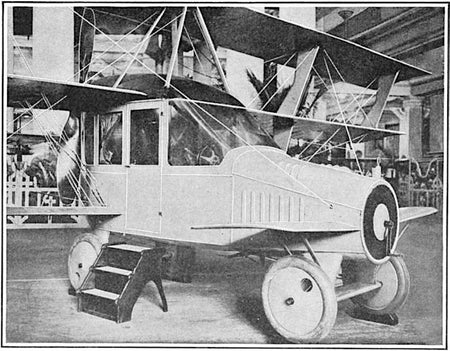
Aviation in 1917: The State of the Industry and Science [Slide Show]