CultureApril 1, 2021
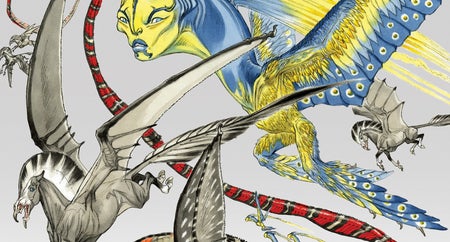
How to Make a Hippogriff Fly and Other Flights of Fancy
A paleontologist and an illustrator team up to make mythical creatures follow biomechanical rules
How to Make a Hippogriff Fly and Other Flights of Fancy
A paleontologist and an illustrator team up to make mythical creatures follow biomechanical rules
How Dinosaurs Grew So Large and So Small
Video produced in partnership with The Great Courses. All Great Courses video content is available only to subscribers with the password sent via email.

The Mysteries of Neandertal Art
Video produced in partnership with The Great Courses. All Great Courses video content is available only to subscribers with the password sent via email.

Chimpanzees Show Altruism while Gathering around the Juice Fountain
New research tries to tease out whether our closest animal relatives can be selfless
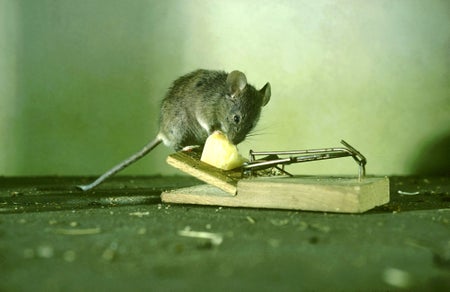
That Mouse in Your House—It’s Smarter, Thanks to You
Scientists studied three varieties of house mice and found that those who had lived alongside humans the longest were also the craftiest at solving food puzzles. Christopher Intagliata reports.
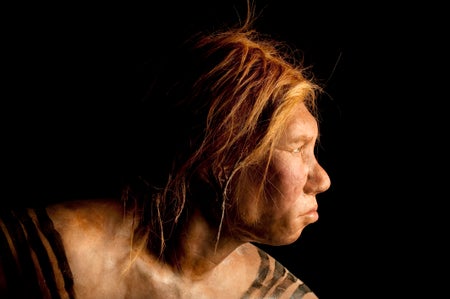
Neandertals Probably Perceived Speech Quite Well
Could they speak, too? Did they proposition modern humans in an interspecies creole language?
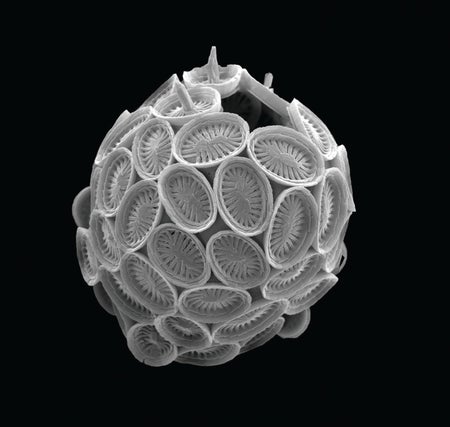
Prehistoric Plankton Became Predators to Survive a Mass Extinction
When the sun disappeared, tiny coccoliths turned to hunting
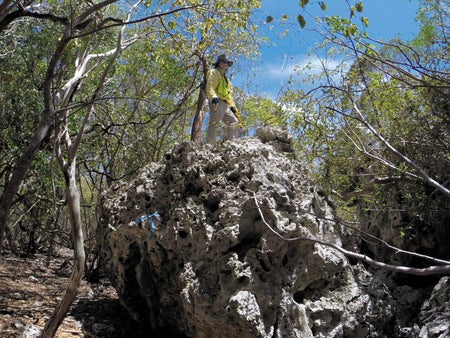
A Tsunami Likely Hurled Huge Rocks onto a Tiny Island
A Caribbean island’s giant rocks were thought to be deposited by enormous waves
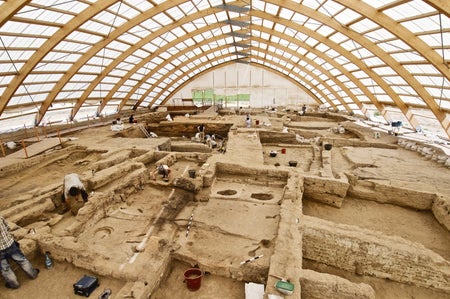
An Ancient Proto-City Reveals the Origin of Home
The 9,000-year-old settlement of Çatalhöyük in Turkey shows how humans began putting down roots
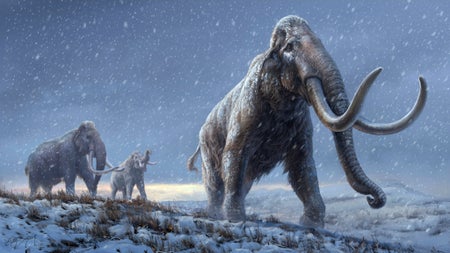
Mammoth Genomes Shatter Record for Oldest DNA Sequences
Researchers extracted DNA from fossils that are more than a million years old, illuminating the origins of the woolly mammoth and the Columbian mammoth
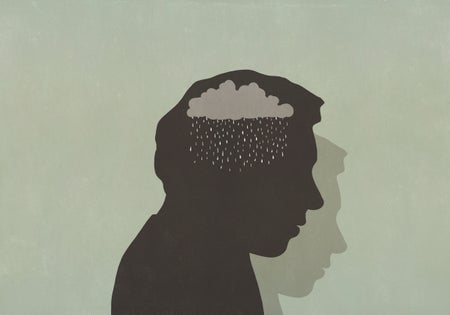
Evolution Could Explain Why Psychotherapy May Work for Depression
Persistent rumination may be an attribute that lets us think our way out of despair—a process enhanced through talk therapy
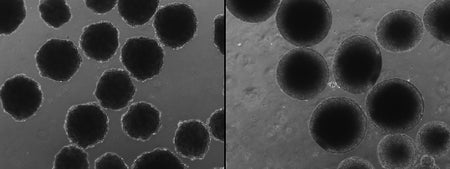
Neandertalized ‘Mini Brains’ Yield Clues to Modern Human Uniqueness
Experiments on clusters of cultured cells hint that a gene variant found only in Homo sapiens profoundly changed brain development in our species, compared with our extinct relatives