GeneticsOctober 19, 2022
How the Ancient Viral DNA in Our Genome Affects Disease and Development
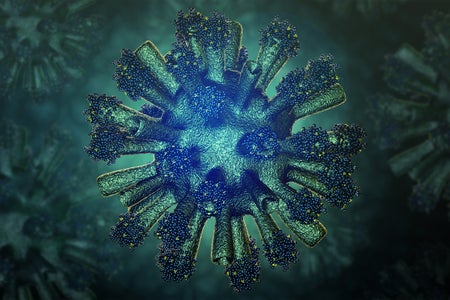
Human endogenous retroviruses make up 8 percent of the human genome. Researchers are studying how active they are
How the Ancient Viral DNA in Our Genome Affects Disease and Development
Human endogenous retroviruses make up 8 percent of the human genome. Researchers are studying how active they are

Discoveries about Ancient Human Evolution Win 2022 Nobel Prize in Physiology or Medicine
Svante Pääbo’s work on sequencing the DNA of Neandertals and Denisovans, which won the 2022 Nobel Prize in Physiology or Medicine, revealed surprising interbreeding among human species

Why Elephants Don’t Get Cancer
Elephants use 20 copies of a key cancer-fighting gene—and humans just have one
Blind Cave Fish May Trade Color for Energy
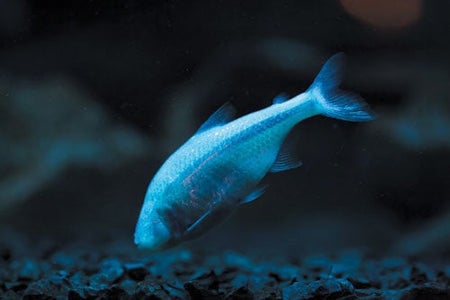
Pasty cave fish seem to repurpose a melanin-making molecule to better survive famine
Strange Tree Fern Has a Surprisingly Enormous Genome
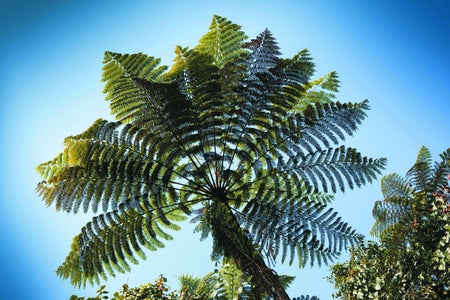
A new study explores how the flying spider-monkey tree fern might hoard chromosomes
Quantum Tunneling Makes DNA More Unstable
The freaky physics phenomenon of quantum tunneling may mutate genes
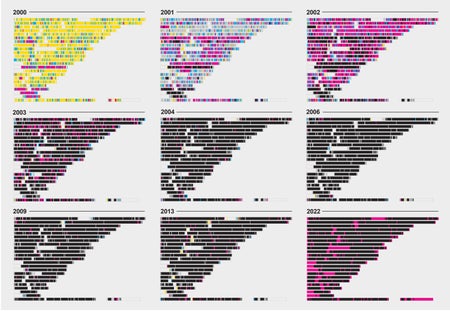
See How Scientists Put Together the Complete Human Genome
For the first time, researchers have sequenced all 3,117,275,501 bases of our genetic code
How Humans’ Ability to Digest Milk Evolved from Famine and Disease
A landmark study is the first major effort to quantify how lactose tolerance developed
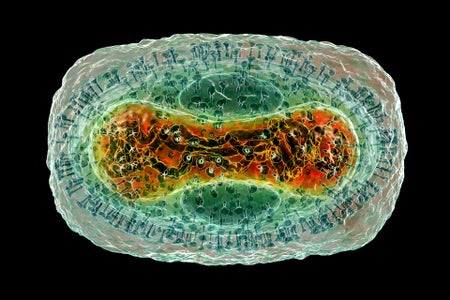
Why is Monkeypox Evolving So Fast?
The virus circulating in the current outbreak has mutated 50 times in the past four years
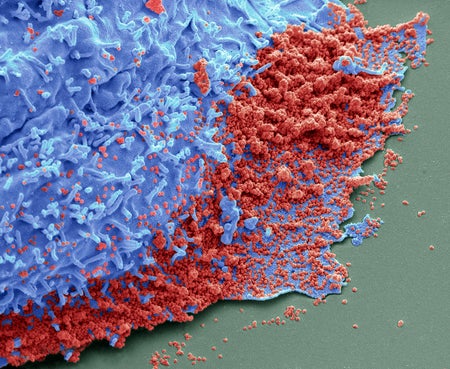
Genomic Sequencing Is Critical to Our Understanding of COVID
With infections still surging, the U.S. needs to invest in this technology to prepare for the next variants
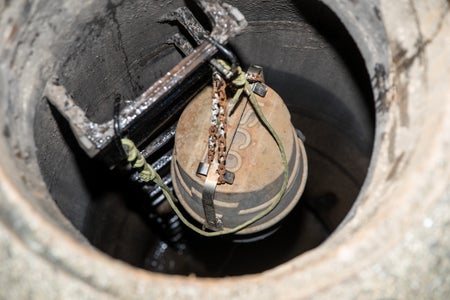
COVID Variants Found in Sewage Weeks before Showing Up in Tests
A technique that detects coronavirus strains circulating in a community could become an early-warning system
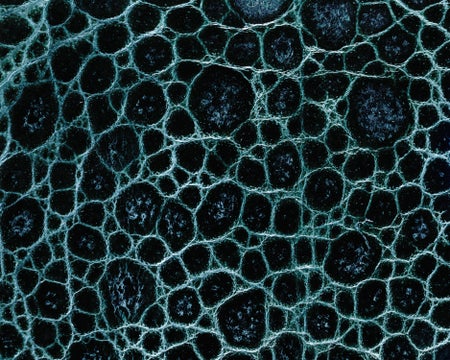
‘Frog Skin’ Cell Type Found in Mammal Mouths
Salivary glands make unexpected use of tiny ionocytes, essential to frogs and fish