The SciencesAugust 1, 2015
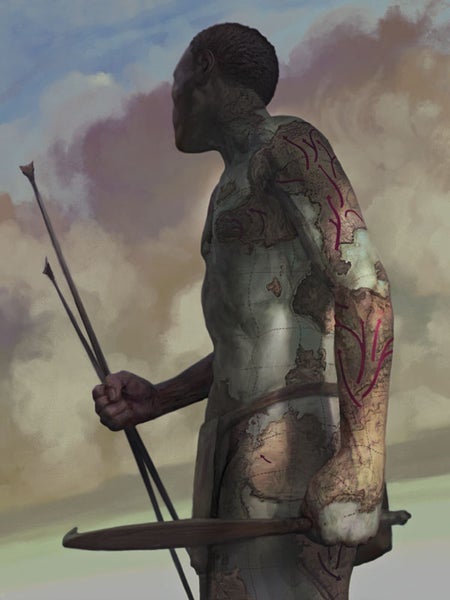
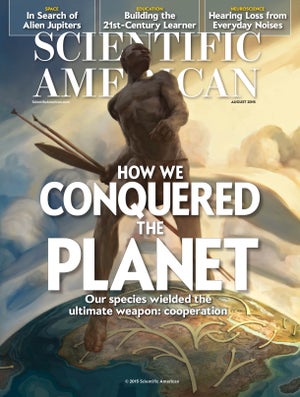
How Homo sapiens Became the Ultimate Invasive Species
Many human species have inhabited Earth. But ours is the only one that colonized the entire planet. A new hypothesis explains why
You are currently logged out. Please sign in to download the issue PDF.
How Homo sapiens Became the Ultimate Invasive Species
Many human species have inhabited Earth. But ours is the only one that colonized the entire planet. A new hypothesis explains why
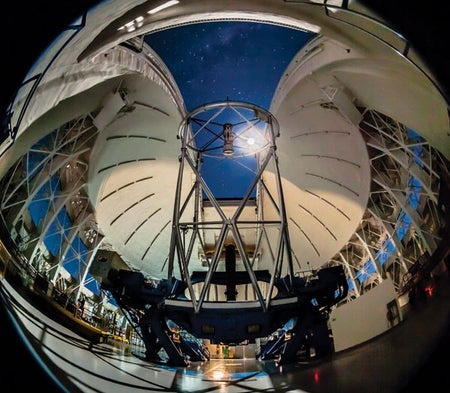
Inside the Race to Glimpse Alien Jupiters
Two rival teams of astronomers are racing to capture unprecedented images of giant planets around other stars. What they find could change the future of planet hunting
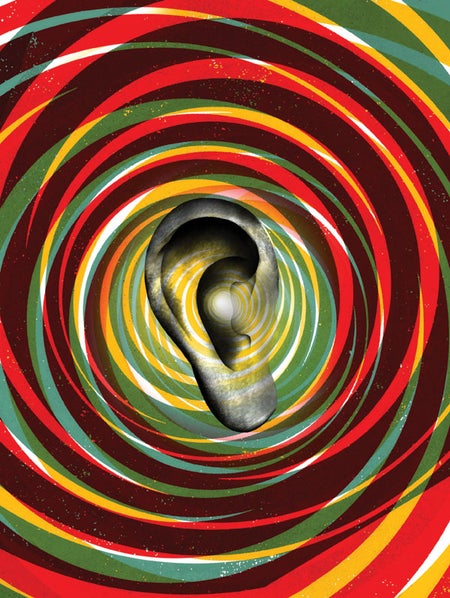
Hidden Hearing Loss from Everyday Noise
Jackhammers, concerts and other common noisemakers may cause irreparable damage to our ears in unexpected ways

How to Protect Your Hearing

Researchers Find That Frequent Tests Can Boost Learning
Too often school assessments heighten anxiety and hinder learning. New research shows how to reverse the trend

Is Your Child a "Group Problem Solver?" The PISA Test Will Decide
The world's most watched test, the PISA, ventures into a new domain: instant messaging

Schools Should Teach Science Like Sports
Why the Next Generation Science Standards will succeed

The Science of California's Unprecedented Drought
Searching for California's missing moisture
How Much Information Can Earth Hold?
What is the information storage capacity of Earth, and how full is it today? The answer tells us surprising things about the growth of order in the universe
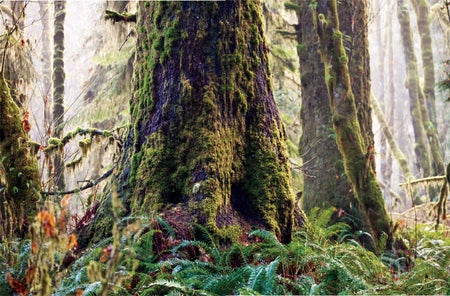
Threatened Forests Cannot Move, So Scientists Are Relocating Their Genes
Trees can't walk to a better place as climate worsens. So scientists are relocating helpful genes instead

Droughts and Other Disasters: A Scientific American Reader
Five key SA articles from the past four years that help explain the connection between extreme weather and climate