
PsychologyJanuary 28, 2025
Expressive Faces Make People More Likable
Facial expressions do far more than just broadcast emotions
Expressive Faces Make People More Likable
Facial expressions do far more than just broadcast emotions

The Neuroscience of Severance: What’s Real? What’s Fake?
The hit show Severance can be refashioned as a teaching moment about certain brain disorders. But its famed “innie” versus “outie” conceit is totally bogus


Margarethe Hilferding, Sigmund Freud and the Conspiracy of Silence
Margarethe Hilferding was the first woman admitted to Sigmund Freud’s Vienna Psychoanalytic Society, but her radical work on maternal instinct was dismissed and ignored

Why Does Snow Bring Childlike Joy?
Snow’s appeal is more than just a fond nostalgia for childhood days away from school

Transcendent Thinking May Boost Teen Brains
A style of teaching that gets adolescents to reflect beyond the here and now may help their brain grow in ways that enhance life

Why Are Recurring Dreams Usually Bad Ones?
Recurring dreams may feature taking a test the dreamer didn’t study for, having to make a speech or being attacked. Here’s why our sleeping brain comes back to these unpleasant dreams again and again
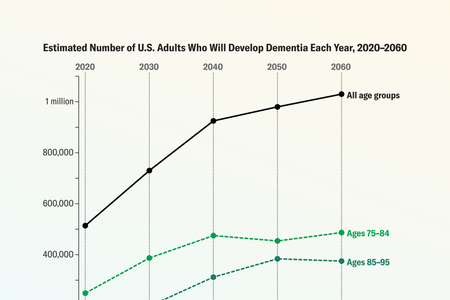
Annual U.S. Dementia Cases Projected to Rise to 1 Million by 2060
A new study finds that dementia cases will increase at a much higher rate than expected, with lifetime risk rising to 42 percent after age 55

Why We’re So Preoccupied by the Past
People talk more about past events than future ones—and memories hold clues for navigating the present

Here’s Why Bad Sleep and Toxic Thoughts Go Hand-in-Hand
Findings reveal the memory-related brain processes that generate unwanted thoughts when people are sleep deprived

Why Time ‘Slows’ When You’re in Danger
It seems like time slows in an emergency or in the heat of a sports match. Here are a few explanations for this altered perception

How Frazzled Parents Can Be More Present with Kids during the Holidays
Future-oriented thinking, rather than careening from moment to moment, can help parents have more meaningful moments with their children

Outrage Fatigue Is Real. These Tips May Help
Repeated exposure to outrage-inducing news or events can lead to emotional exhaustion. An expert who studies online outrage says there are ways to cope