
BehaviorJanuary 22, 2024
Slipping on Your New Year’s Resolutions? Science Tips to Get on Track
Studies of goal setting reveal why it’s so hard to keep resolutions—and how to make ones that actually stick
Slipping on Your New Year’s Resolutions? Science Tips to Get on Track
Studies of goal setting reveal why it’s so hard to keep resolutions—and how to make ones that actually stick

Asthma Drug Still Being Prescribed to Kids Despite Potential Mental Health Risks
The allergy and asthma drug montelukast, also known as Singulair, can cause psychiatric side effects—and researchers aren’t sure why


Children Anticipate What Others Want, But Great Apes Don’t
New cross-species research suggests a theory of mind is one thing that sets humans apart from apes

It Turns Out We Were Born To Groove
The evolution of beat perception likely unfolded gradually among primates, reaching its pinnacle in humans

Sludge Videos Are Taking Over TikTok—And People’s Mind
“Sludge content” is a type of viral video that features multiple clips playing simultaneously on a screen. Experts unpack what it may be doing to the brain

Advances in Mind-Decoding Technologies Raise Hopes (and Worries)
Devices that connect brains to computers are increasingly sophisticated. Can the nascent neurorights movement keep pace?
The Strange and Beautiful Science of Our Lives
Nell Greenfieldboyce discusses her new book Transient and Strange, the intimacy of the essays and the science that inspired them.
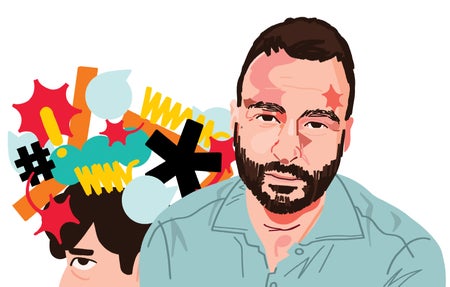
Psychology Hacks for Resisting Trash Talk
A new book explores the science of trash talk—and why some people are more immune to it than others

This Powerful Psychedelic Shows Promise for Relieving Traumatic Brain Injury
In combat veterans, a single dose of ibogaine improved symptoms of TBI, PTSD, depression and anxiety

Did Neurons Evolve Twice?
Tracing the history of the earliest animals offers clues to whether the birth of the neuron was a one-time event
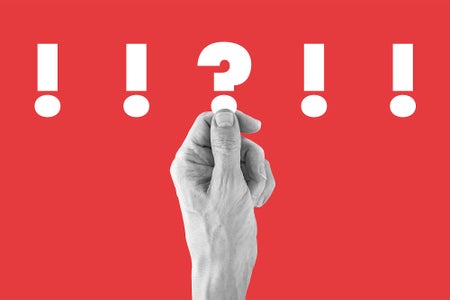
The Curious Joy of Being Wrong
Cultivating intellectual humility can offer individual and social benefits, a psychologist explains
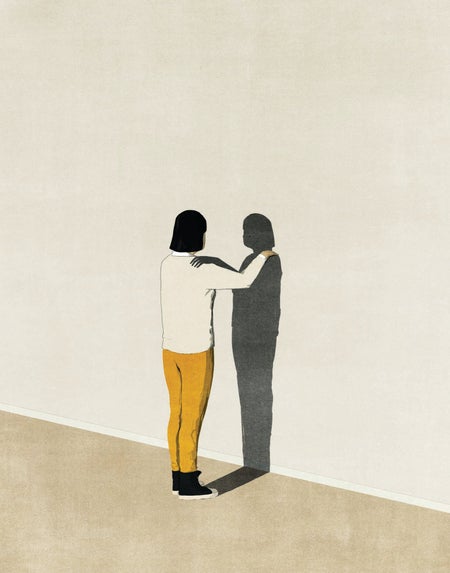
Intervention at an Early Age May Hold Off the Onset of Depression
Preventing initial episodes might stop depression from becoming a disabling chronic condition