CognitionDecember 19, 2018
The Brain’s Autopilot Mechanism Steers Consciousness
Freud’s notion of a dark, libidinous unconscious is obsolete. A new theory holds that the brain produces a continuous stream of unconscious predictions
The Brain’s Autopilot Mechanism Steers Consciousness
Freud’s notion of a dark, libidinous unconscious is obsolete. A new theory holds that the brain produces a continuous stream of unconscious predictions
Computers Determine States of Consciousness
A machine learning algorithm uses EEG traces to find a patient’s odds of waking

Huge Brain Study Uncovers “Buried” Genetic Networks Linked to Mental Illness
Enormous genomic analysis yields tantalizing insights into mechanisms behind conditions such as schizophrenia and bipolar disorder
Prehistoric Viruses and the Function of the Brain
The exceedingly strange story of learning, memory and the “Arc” gene

A New Connection between the Gut and Brain
A surprising way that diet leads risks of stroke and cognitive impairment

Your Brain Sees Ambiguous Language as a Type of Illusion
‘The Chicken is Ready to Eat’ has two meanings. A new study shows how your neurons decide.
Do Brain Waves Conduct Neural Activity Like a Symphony?
A dispute at a big neuroscience meeting erupts over whether the field needs new thinking about the way clusters of neurons process information
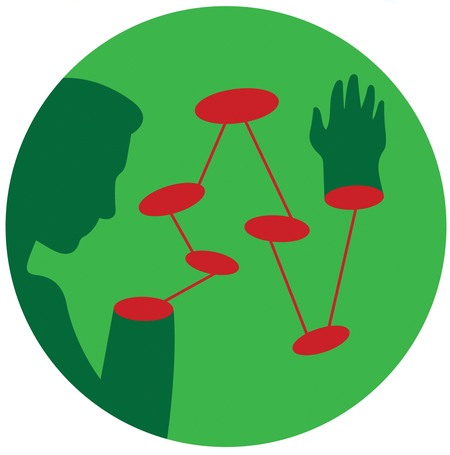
How Brain Injuries Deprive People of a Sense of Free Will
Studies of patients with unusual neurological conditions reveal brain networks that contribute to feelings of agency
With Brain Implants, Scientists Aim to Translate Thoughts into Speech
Experts increasingly think a system that could help paralyzed patients is within reach
Reprogrammed Stem Cells Implanted into Patient with Parkinson’s Disease
A man in his 50s is the first of seven patients to receive the experimental therapy

Why Don’t We Forget How to Ride a Bike?
The way memories are anchored in the brain plays a role, neuropsychologist Boris Suchan explains
How History Forgot the Woman Who Defined Autism
Grunya Sukhareva characterized autism nearly two decades before Austrian doctors Leo Kanner and Hans Asperger