
ReproductionAugust 10, 2026
Damaged sperm might be the true cause of repeated miscarriages
New guidelines say testing sperm for DNA damage could help explain recurrent pregnancy losses
Damaged sperm might be the true cause of repeated miscarriages
New guidelines say testing sperm for DNA damage could help explain recurrent pregnancy losses

Doctors got transplanted testicular tissue in an infertile patient to grow sperm
The history of testicular transplants is long and often sordid, but this successful procedure offers hope for survivors of cancer and other diseases that affect fertility

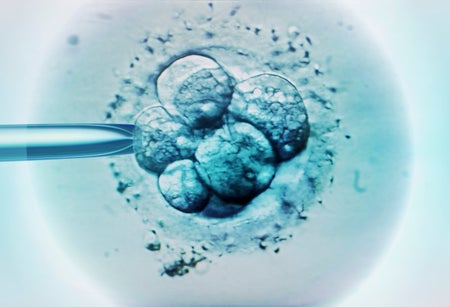
Can AI help improve the chances of a successful IVF pregnancy?
Some IVF clinics are using AI to perform tasks such as sperm and embryo selection, but some fertility experts question whether the technology will lead to more live births
The biological dogma that women don’t make new eggs after birth may be wrong
Female mammals have long thought to be born with all the eggs they would ever have, but new research is challenging that consensus

Can GLP-1s boost testosterone levels?
Preliminary study finds that testosterone levels increase or stabilize in people taking GLP-1 medications
Inside the multiyear effort to rename PCOS
A physician involved in the long push to change the name PCOS to PMOS takes us behind the scenes of this subtle yet consequential change
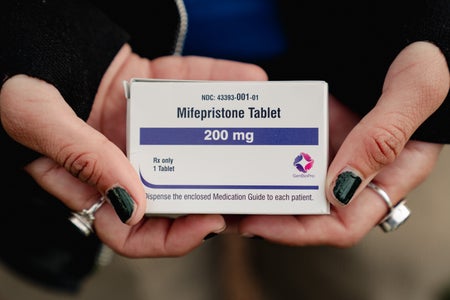
How doctors will handle abortions if mifepristone telehealth access is banned
One in four abortions in the U.S. rely on telehealth access to mifepristone, but antiabortion activists want to ban it
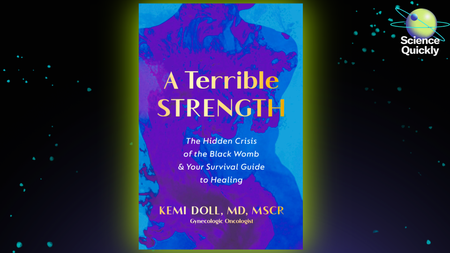
Black women’s ‘womb crisis’ extends far beyond maternal mortality
A new book argues that disparities in fibroids, cancer and diagnosis reveal a lifelong gynecologic health crisis for Black women
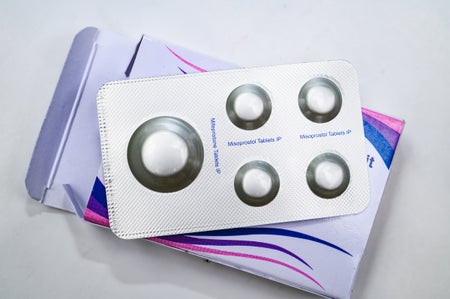
U.S. Supreme Court allows access to mifepristone by mail—for now
The nation’s top court extended a stay on a lower court order banning telemedicine access to mifepristone, a drug used in medication abortions—but the order sets up a longer legal fight
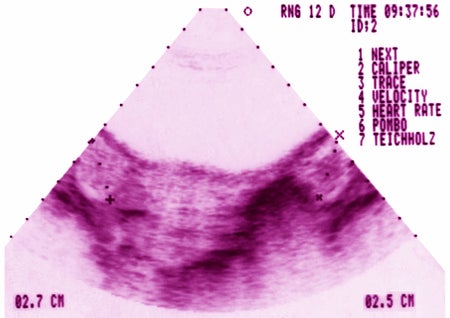
‘PCOS is inaccurate’—why scientists renamed polycystic ovary syndrome
A multiyear effort to rename polycystic ovary syndrome finally revealed the condition’s new name: polyendocrine metabolic ovarian syndrome
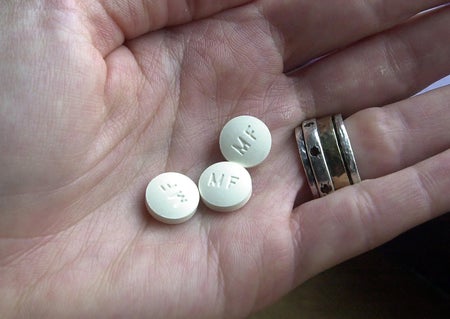
Supreme Court extends temporary order allowing abortion drug mifepristone by mail
On May 11 the Supreme Court extended a pause on a ruling by a federal appeals court that prevented health care providers from prescribing mifepristone by telemedicine, setting the stage for further action from the nation’s highest court

Polycystic ovary syndrome might affect men, too—and that could radically change our understanding of the condition
A condition that affects 10 to 15 percent of women may affect men, too. But many doctors don’t know about it